
As holiday traditions evolve with technology, a growing number of homes, businesses, and municipalities are turning to projection mapping for their Christmas displays. These dynamic light shows transform flat surfaces into immersive winter wonderlands using precisely aligned video projections. While dazzling and increasingly accessible, the rise of digital displays raises a critical question: Are they replacing physical decorations like wreaths, garlands, and string lights—or simply complementing them?
The answer isn’t binary. Instead, it reflects a shift in how people celebrate the season—balancing nostalgia with innovation, budget constraints with spectacle, and environmental concerns with visual impact. To understand this transition, we need to examine the strengths and limitations of both approaches, how they’re being used today, and what the future may hold.
The Rise of Projection Mapping in Holiday Displays
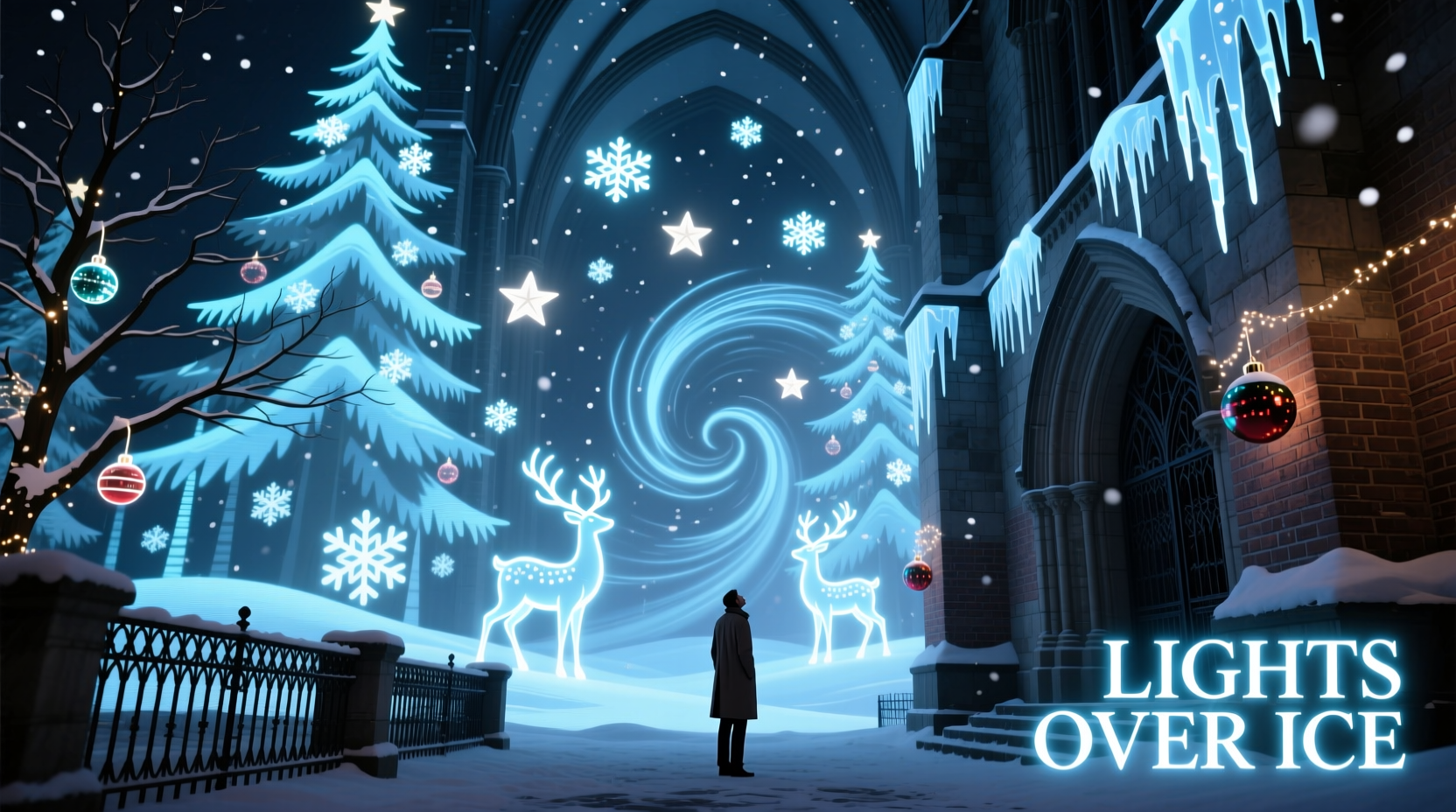
Projection mapping—also known as spatial augmented reality—uses projectors to overlay video content onto irregular surfaces, making buildings, trees, or even snow-covered lawns appear animated. When applied to Christmas displays, it can simulate falling snow, dancing reindeer, glowing ornaments, and entire nativity scenes without a single physical prop.
What was once limited to high-budget events and city centers is now within reach of average homeowners thanks to affordable short-throw projectors, user-friendly software, and pre-made holiday templates. Platforms like ProjectorChristmas.com and LightShowToolkit offer plug-and-play solutions that sync projections with music, creating synchronized light shows viewable from the street.
Cities like Medellín, Colombia, and Branson, Missouri, have embraced large-scale projection mapping as central features of their holiday tourism campaigns. Meanwhile, families in suburban neighborhoods use smaller setups to create “drive-by” experiences during socially distanced celebrations or to minimize ladder work and electrical hazards.
“Projection mapping allows communities to deliver emotional, large-scale storytelling without the logistical burden of traditional installations.” — Dr. Lila Tran, Urban Design Researcher, MIT Media Lab
Advantages of Projection Mapping Over Physical Decorations
Digital displays offer several compelling benefits that explain their rising popularity:
- Speed of setup and takedown: A projector can be mounted and calibrated in under an hour, while hanging lights, assembling inflatables, and securing outdoor wiring can take days.
- Lower long-term costs: After the initial investment in equipment, most digital content is reusable year after year with minimal maintenance.
- Greater creative flexibility: Users can change themes instantly—from Santa’s workshop to a North Pole aurora—without buying new decor.
- Reduced storage needs: No more garage shelves packed with tangled cords and fragile ornaments.
- Energy efficiency: Modern LED projectors consume less power than hundreds of incandescent bulbs running all night.
- Safety: Fewer extension cords, ladders, and outdoor electrical connections mean fewer risks of shocks, falls, or fire hazards.
Why Physical Decorations Still Matter
Despite the appeal of digital alternatives, physical decorations continue to hold cultural, emotional, and sensory value that projections struggle to replicate.
Tactility plays a crucial role in holiday memory-making. The scent of pine from a real tree, the weight of a hand-knit stocking, the sound of glass ornaments clinking in the breeze—these elements engage multiple senses in ways a silent video cannot. Psychologists note that multi-sensory experiences strengthen emotional recall, which is why many people still prioritize tangible traditions.
Additionally, physical decorations foster participation. Stringing popcorn garlands, assembling gingerbread houses, or placing handmade ornaments on a tree are shared family rituals. Projection mapping, by contrast, often requires technical skill to set up but offers little opportunity for collective involvement once running.
Communities also express concern that over-reliance on digital displays could erode local character. When every house runs the same downloaded animation, neighborhoods lose the eclectic charm of personalized decor—no more crooked reindeer made from PVC pipe or heirloom angel tree toppers passed down through generations.
Case Study: The Johnson Family’s Hybrid Approach
The Johnsons of Asheville, North Carolina, illustrate how many families are blending old and new. For years, they decorated their front yard with an elaborate display featuring a life-sized manger scene, lit arches, and over 10,000 bulbs. But after Mr. Johnson had a fall from a ladder during setup in 2021, they reevaluated their approach.
In 2022, they invested in two outdoor-rated projectors and a simple wooden screen mounted on their garage. They kept their indoor tree, wreath, and menorah but replaced most outdoor lighting with a 15-minute mapped show synced to classic carols. The result? A safer, faster setup that drew larger crowds—and allowed 8-year-old Mia to help design the animations using kid-friendly software.
“We didn’t want to stop celebrating,” says Mrs. Johnson. “We just wanted to do it differently. The projections let us keep the magic without the risk.”
Comparison: Projection Mapping vs. Physical Decorations
| Factor | Projection Mapping | Physical Decorations |
|---|---|---|
| Setup Time | 30–90 minutes | Several hours to days |
| Initial Cost | $300–$1,500+ | $100–$2,000+ (recurring) |
| Reusability | High (digital files last indefinitely) | Medium (wear and weather damage) |
| Sensory Engagement | Visual and auditory only | Tactile, olfactory, visual, auditory |
| Customization | High (animations, music, timing) | Moderate (limited by materials) |
| Community Interaction | Passive viewing | Active participation (setup, visits) |
Do Projections Replace Physical Decorations? The Reality
The data suggests that projection mapping is not replacing physical decorations outright—but it is reshaping how people decorate. A 2023 National Holiday Trends Survey found that 38% of U.S. households used some form of digital lighting or projection during the holidays, up from 12% in 2018. However, only 7% reported eliminating all physical decor in favor of digital-only displays.
Instead, most adopters are integrating projections as enhancements. Examples include:
- Using projections to animate a static nativity scene
- Adding falling snow effects over a real tree
- Creating a “floating candle” illusion in windows
- Syncing outdoor projections with interior light strings for a unified effect
This hybrid model preserves tradition while embracing convenience. It also opens creative doors for those with physical limitations, small spaces, or HOA restrictions on visible wiring and inflatables.
Checklist: Planning a Balanced Holiday Display
Use this checklist to decide how to blend digital and physical elements effectively:
- Assess your available surfaces (walls, garage doors, fences) for projection suitability
- Determine your budget for one-time (projector) vs. recurring (bulbs, replacements) costs
- Identify which traditions are non-negotiable (e.g., real tree, menorah lighting)
- Choose a theme that can be expressed both digitally and physically
- Test projection visibility at night from the street or sidewalk
- Ensure audio is audible but not disruptive to neighbors
- Preserve at least one hands-on decoration activity for family involvement
Environmental and Practical Considerations
As sustainability becomes a greater concern, both options face scrutiny. Physical decorations contribute to waste when broken or outdated. The EPA estimates that holiday-related trash increases by 25% between Thanksgiving and New Year’s, with millions of discarded lights and plastic figures ending up in landfills.
Projection systems, while more durable, rely on electronics with finite lifespans and energy consumption. However, because a single projector can replace thousands of bulbs, the net energy use is often lower. Solar-powered projectors and rechargeable battery packs are emerging as eco-conscious alternatives.
Maintenance also differs significantly. Physical lights require testing, untangling, and seasonal repairs. Projectors need lens cleaning, software updates, and protection from moisture—but overall demand less labor once installed.
Frequently Asked Questions
Can I use projection mapping indoors?
Yes. Many people project onto ceilings, blank walls, or even furniture for indoor holiday ambiance. Short-throw projectors work well in living rooms and bedrooms, creating cozy effects like flickering fireplaces or drifting snowflakes without taking up space.
Are projected displays safe for children and pets?
Generally, yes. Most holiday projectors use LED light sources that don’t emit harmful UV or excessive heat. However, avoid direct eye exposure to the beam, and place projectors out of reach to prevent tipping or chewing on cables.
Do HOAs allow projection mapping?
Most homeowner associations regulate physical structures and permanent installations but rarely restrict temporary projections. However, check your community rules regarding noise (if using external speakers) and light pollution that might affect neighbors’ windows.
Conclusion: A Coexistence, Not a Replacement
Projection mapping Christmas displays aren’t replacing physical decorations—they’re redefining them. Rather than a winner-take-all shift, we’re seeing a thoughtful integration where technology enhances tradition instead of erasing it. The glow of a projector can amplify the warmth of a real candle; a digital snowfall can deepen the magic of a handmade wreath.
The future of holiday decorating lies not in choosing between old and new, but in curating experiences that reflect personal values—whether that’s safety, creativity, sustainability, or sentimentality. As tools become more accessible, the real measure of success won’t be brightness or scale, but emotional resonance.




 浙公网安备
33010002000092号
浙公网安备
33010002000092号 浙B2-20120091-4
Comments
No comments yet. Why don't you start the discussion?