
Every night, millions of people reach for a cotton pad to wipe away their makeup. For many, it’s a small, routine act—until they start adding up the cost. Disposable cotton rounds may seem inexpensive at first glance, but over weeks, months, and years, that weekly trip to the drugstore adds up. Enter reusable makeup remover pads: soft, washable cloths designed to replace single-use options. Marketed as eco-friendly and economical, these little squares have gained popularity in sustainable beauty circles. But do they actually save money in the long run? The answer isn’t just about price tags—it involves usage habits, laundry practices, durability, and even personal skincare routines.
To determine whether reusable pads are a true financial win, we need to look beyond the initial purchase. This article breaks down the real cost comparison, explores hidden factors like water and detergent use, and presents real-world examples to help you make an informed decision.
Understanding the Costs: Initial vs. Long-Term Spending
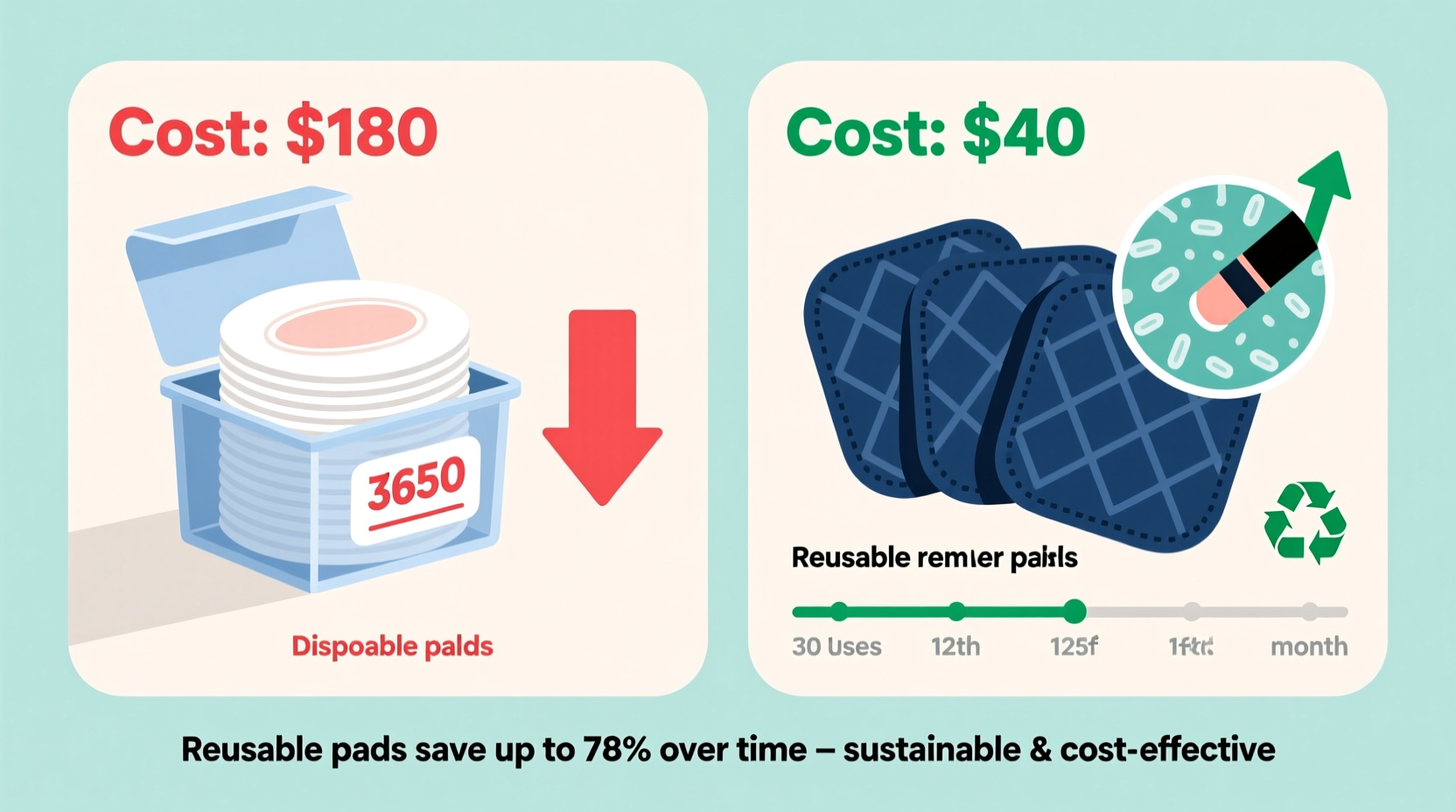
At first glance, disposable cotton pads appear affordable. A pack of 100 rounds typically costs between $2 and $5, depending on brand and quality. If you use five pads per day (a conservative estimate for someone removing eye makeup, face cleanser, and toner), that pack lasts only 20 days. Over a year, that’s roughly 1,825 pads—or about 19 packs. At an average of $3.50 per pack, annual spending reaches nearly $67.
In contrast, a set of reusable makeup remover pads usually includes 7 to 14 pieces and costs between $12 and $25. Most users find 7 high-quality pads sufficient for rotation, allowing some to be used while others are being washed. These pads are designed to last one to two years with proper care. Even at the higher end of the price range ($25), the upfront cost is less than half the annual cost of disposables.
This means that within four to six months of regular use, reusable pads pay for themselves. After that point, every additional month of use represents pure savings.
Detailed Cost Comparison Over Time
To illustrate the financial difference more clearly, here's a side-by-side breakdown of estimated costs over one, three, and five years.
| Time Period | Disposable Pads (Cost) | Reusable Pads (Cost) | Savings with Reusables |
|---|---|---|---|
| 1 Year | $66.75 (19 packs × $3.50) | $25.00 (one-time purchase) | $41.75 |
| 3 Years | $200.25 | $35.00 (initial set + replacement set) | $165.25 |
| 5 Years | $333.75 | $45.00 (two replacements) | $288.75 |
Note that the reusable column assumes replacement every 18–24 months due to wear, fading, or reduced absorbency. Some high-quality bamboo or organic cotton sets may last longer, further increasing savings. Additionally, this model doesn't account for inflation in cotton product prices—a realistic factor over five years.
The data shows a clear trend: while disposables create a recurring expense, reusables shift the cost to a minimal ongoing investment after the first few years.
Hidden Factors That Influence Real-World Savings
While the math favors reusables, actual savings depend on several behavioral and logistical factors.
Laundry Frequency and Associated Costs
Reusable pads must be washed regularly—ideally after every 3–5 uses. Most users toss them into regular laundry loads, minimizing added water or energy costs. However, if you run a separate cold hand-wash cycle just for pads, the convenience drops and utility costs rise slightly.
A full washing machine uses about 15–30 gallons of water per load. Adding a few makeup pads to an existing load has negligible impact. But if you're doing extra laundry solely for your pads, you could add $5–$10 annually in water and electricity.
Detergent and Fabric Care
Some reusable pads require gentle detergents to maintain softness and prevent fiber breakdown. Scent-free, eco-friendly detergents often cost more than standard brands. If you switch detergents purely for pad care, that could add $10–$15 per year to your cleaning budget.
Additionally, using fabric softener can reduce absorbency over time. Experts recommend avoiding it entirely.
“Washing reusables with your regular towels or delicates on a cold, gentle cycle preserves their lifespan. Avoid bleach and high heat.” — Dr. Lena Patel, Sustainable Textile Researcher
Lifespan Variability by Material
Not all reusable pads are created equal. Material affects both comfort and longevity:
- Bamboo fleece: Highly absorbent, antimicrobial, and durable—can last 2+ years.
- Organic cotton: Soft and biodegradable but may pill or thin faster; average lifespan 12–18 months.
- Polyester blends: Often cheaper but less eco-friendly and prone to shedding microplastics during washing.
Higher initial cost often correlates with longer life and better performance. Investing in quality pays off.
Mini Case Study: Sarah’s Switch to Reusable Pads
Sarah, a 32-year-old marketing professional from Portland, used disposable cotton rounds religiously for years. She averaged six pads per night—two for eye makeup, two for cleansing, and two for toner. Buying premium organic cotton rounds at $4.50 per 100-pack, she went through about 22 packs annually, spending $99 per year.
In January 2022, Sarah purchased a 10-piece bamboo reusable set for $22. She washed the pads with her weekly towel load, using the same eco-detergent. After 18 months, she noticed minor fraying on two pads and bought a second set for $24 (prices had increased slightly).
After three years, her total spending was $46. Meanwhile, she would have spent $297 on disposables. Her net savings: $251. She also reported softer skin, possibly due to the gentler texture of bamboo versus rough cotton.
“I didn’t expect such a big difference,” Sarah said. “But once I got used to tossing them in the laundry instead of the trash, it felt effortless.”
Environmental Impact: A Bonus Benefit
While the focus is on cost, the environmental benefit of switching cannot be ignored—and indirectly supports long-term economic sense. The average person disposes of over 1,000 cotton rounds per year. Multiply that by millions of users, and the landfill burden is staggering.
Cotton farming is water-intensive, and most disposable rounds contain plastic binders that don’t fully biodegrade. Reusable pads, especially those made from bamboo or organic cotton, reduce waste and resource consumption. Some brands even offer compostable options at end-of-life.
Though not a direct monetary saving, reducing environmental harm aligns with broader sustainability goals that increasingly influence consumer behavior and policy. Future regulations on single-use products could eventually raise the price of disposables, making reusables even more cost-effective.
Step-by-Step Guide to Maximizing Savings with Reusable Pads
Switching is simple, but following best practices ensures durability and cost efficiency. Here’s how to get the most value:
- Choose high-quality materials: Opt for bamboo or organic cotton with reinforced stitching.
- Buy the right quantity: Start with 7–10 pads to allow for rotation between uses and washes.
- Use consistently: Replace every disposable round with a reusable one—even during travel.
- Wash efficiently: Toss used pads into a dry container or mesh bag, then add to your next regular laundry load.
- Air dry when possible: Skip the dryer to prevent shrinkage and extend pad life.
- Replace only when necessary: Don’t discard pads prematurely. Thin spots or minor stains don’t affect function.
- Track your usage: Note how often you’re buying disposables before and after the switch to measure savings.
Frequently Asked Questions
Are reusable makeup pads hygienic?
Yes, when washed properly. Washing after every few uses in warm water with detergent removes bacteria and residue. Sun drying adds natural disinfection. Just avoid leaving damp pads bunched up in a dark container, which can promote mildew.
How do I clean stubborn mascara stains?
For waterproof makeup, rinse pads under cold water immediately after use to prevent setting. Soak in a mix of water and gentle dish soap before laundering. Avoid hot water initially, as it can set protein-based residues.
Can I use reusable pads with acne treatments or exfoliants?
Absolutely. In fact, their soft texture is often gentler than rough cotton rounds, reducing irritation. Just ensure thorough washing to prevent product buildup that could clog pores over time.
Checklist: Making the Switch Successfully
- ☐ Research reputable brands with durable materials
- ☐ Purchase a starter set of 7–10 pads
- ☐ Designate a small bin or pouch for used pads
- ☐ Add pads to your regular laundry routine
- ☐ Avoid fabric softener and high-heat drying
- ☐ Monitor pad condition and replace only when worn
- ☐ Calculate annual savings to stay motivated
Conclusion: A Smart Investment for Your Wallet and Planet
The evidence is compelling: reusable makeup remover pads do save money over time. Even with conservative estimates, most users recoup their initial investment within six months. Over three to five years, savings can exceed $250—money that can go toward other skincare essentials or simply back into your pocket.
Beyond finances, the switch supports sustainable living, reduces clutter, and often improves skincare experiences through softer, more durable fabrics. While the transition requires a slight habit shift, the long-term benefits far outweigh the minor adjustments.
If you’re still reaching for disposable cotton rounds every night, consider this your invitation to change. One small swap can lead to significant cumulative impact—both economically and environmentally. Try a starter set today, track your usage, and see the savings grow pad by pad.




 浙公网安备
33010002000092号
浙公网安备
33010002000092号 浙B2-20120091-4
Comments
No comments yet. Why don't you start the discussion?