
Reusable straws have become a staple in eco-conscious households, replacing single-use plastic alternatives in smoothies, iced coffee, and cocktails. While they reduce environmental waste, their hygiene is often overlooked. What many users don’t realize is that a reusable straw—regardless of material—can become a breeding ground for harmful bacteria if not cleaned thoroughly and regularly. Unlike disposable straws used once and discarded, reusable versions are exposed to repeated contact with saliva, food residue, and moisture, creating ideal conditions for microbial growth.
A study published in the Journal of Applied Microbiology found that improperly cleaned reusable items with narrow internal channels, such as straws, can harbor up to 10,000 colony-forming units (CFUs) of bacteria per square centimeter after just one day of use without cleaning. This includes pathogens like E. coli, Staphylococcus aureus, and mold species. The risk increases significantly when straws are stored damp or in unventilated containers. Understanding how and why contamination occurs—and what to do about it—is essential for maintaining both personal health and the longevity of your reusable products.
The Hidden Risks of Reusable Straws
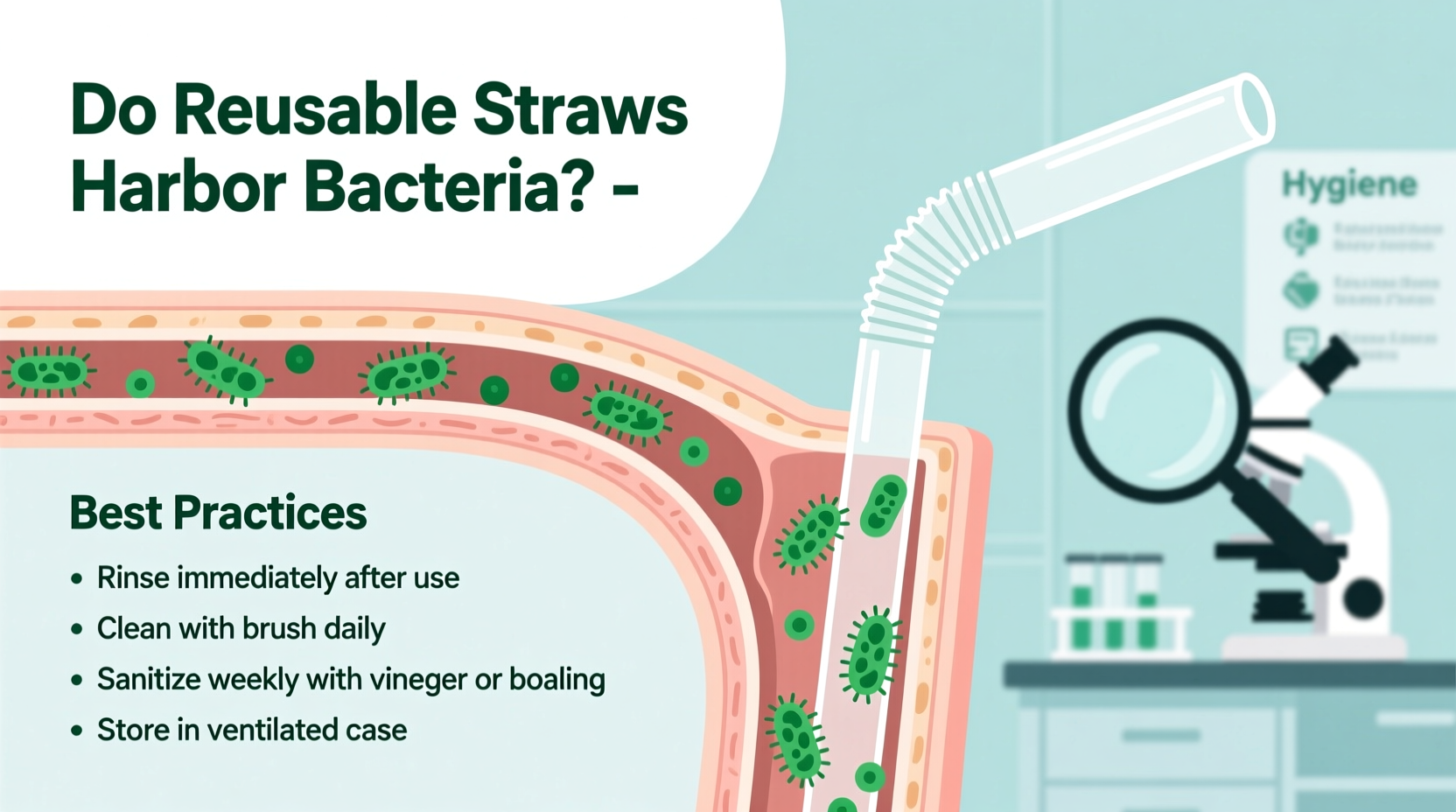
At first glance, a reusable straw seems simple: a hollow tube used to sip beverages. But its design creates several hygiene challenges. The narrow interior is difficult to access with standard cleaning tools, allowing organic residues—sugars, proteins, fats—to linger. These residues feed bacteria and fungi. When combined with warmth and moisture (especially if stored immediately after use), the environment becomes perfect for rapid microbial colonization.
Certain materials pose higher risks than others. Silicone and bamboo, while popular for their soft texture and natural appeal, are more porous than stainless steel or glass. Microscopic pores trap bacteria and are harder to sanitize completely. Even metal and glass straws, though non-porous, can accumulate biofilm—a slimy layer of microorganisms—if rinsed but not scrubbed.
Dr. Lena Torres, a microbiologist at the Institute for Environmental Health, explains:
“The inside of a straw is essentially a dark, moist tunnel with residual nutrients. That’s bacterial paradise. Without proper mechanical cleaning, disinfection isn’t possible.”
Best Practices for Cleaning Reusable Straws
Cleaning a reusable straw goes beyond a quick rinse under tap water. Effective sanitation requires a consistent routine that combines physical scrubbing, appropriate detergents, and thorough drying. Below is a step-by-step guide to ensure your straws remain safe for daily use.
Step-by-Step Cleaning Routine
- Rinse Immediately After Use: Flush the straw with warm water right after drinking to remove loose particles and sugars.
- Use a Dedicated Straw Brush: Insert a small, flexible brush (preferably nylon or silicone-tipped) and scrub the entire interior at least twice. Pay extra attention to bends or joints.
- Wash with Hot Soapy Water: Submerge the straw and brush in hot water mixed with dish soap. Scrub again while submerged to dislodge hidden debris.
- Disinfect Weekly: Soak in a solution of one part white vinegar to three parts water for 15–30 minutes, or use diluted hydrogen peroxide (3%) for 10 minutes. Alternatively, boil metal or glass straws for 5 minutes.
- Dry Completely Before Storage: Place straws upright on a clean towel or drying rack in a well-ventilated area. Never store damp.
- Inspect Regularly: Check for cracks, cloudiness (in glass), or lingering odors—signs of trapped bacteria or material degradation.
Material Comparison: Which Straws Are Safest?
Not all reusable straws are created equal. Some materials resist bacterial growth better than others due to porosity, durability, and ease of cleaning. The table below compares common types based on hygiene performance.
| Material | Porous? | Dishwasher Safe? | Bacteria Resistance | Cleaning Difficulty |
|---|---|---|---|---|
| Stainless Steel | No | Yes (top rack) | High | Low |
| Glass | No | Limited (risk of breakage) | High | Medium |
| Silicone | Slightly | Yes | Moderate | Medium |
| Bamboo | Yes | No | Low | High |
| Plastic (BPA-free) | Slight over time | Varies | Moderate | Medium |
As shown, stainless steel and glass rank highest for hygiene due to their non-porous nature and compatibility with high-heat sanitization. Bamboo, while biodegradable, absorbs moisture and degrades faster, increasing contamination risk. Silicone is durable but may develop micro-tears over time, trapping bacteria in crevices.
Common Mistakes That Promote Bacterial Growth
Even conscientious users can fall into habits that compromise straw hygiene. Awareness of these pitfalls is key to prevention.
- Storing while wet: Placing a damp straw in a closed case traps moisture, accelerating mold development.
- Using only a rinse: Rinsing removes visible debris but leaves behind biofilm and sugars that support bacterial colonies.
- Sharing straws: Saliva exchange increases cross-contamination risk, especially during illness.
- Neglecting the brush: A dirty brush transfers bacteria back into the straw. Clean it weekly with boiling water or replace monthly.
- Ignoring manufacturer instructions: Some materials degrade under high heat or certain chemicals. Always follow care guidelines.
Real-Life Scenario: A Cautionary Example
Jessica, a 29-year-old barista and zero-waste advocate, prided herself on using her bamboo straw daily. She’d rinse it quickly after each drink and store it in a fabric pouch. After two months, she began experiencing frequent sore throats and noticed a faint musty smell from the straw. Upon inspection, a grayish film was visible inside the tube. She sent it to a local lab for testing, which revealed high levels of Aspergillus niger, a common mold associated with respiratory irritation.
After switching to a stainless steel straw and adopting a strict cleaning regimen—including nightly brushing and weekly vinegar soaks—her symptoms resolved. “I thought ‘natural’ meant safer,” she said. “But I learned that maintenance matters more than material.”
Hygiene Checklist for Reusable Straw Users
To ensure your reusable straw remains safe and effective, follow this actionable checklist:
- ✅ Rinse the straw immediately after every use
- ✅ Use a dedicated cleaning brush for internal scrubbing
- ✅ Wash with hot, soapy water at least once daily
- ✅ Disinfect weekly via boiling, vinegar soak, or hydrogen peroxide
- ✅ Dry completely before storing—never seal while damp
- ✅ Store in an open, ventilated container or case
- ✅ Replace cracked, cloudy, or odor-retaining straws promptly
- ✅ Avoid sharing straws, especially during cold and flu season
Frequently Asked Questions
Can I put my reusable straw in the dishwasher?
It depends on the material. Stainless steel, glass (with caution), and some high-grade plastics are typically dishwasher-safe—place them on the top rack to avoid damage. Bamboo and low-quality silicone should be hand-washed to prevent warping or cracking.
How often should I replace my reusable straw?
With proper care, stainless steel and glass straws can last years. Replace any straw showing signs of wear: cracks, persistent odors, discoloration, or roughness inside the bore. Bamboo straws generally last 1–3 months with daily use. Silicone may degrade after 6–12 months.
Is it safe to use bleach to clean reusable straws?
Diluted bleach (1 tablespoon per gallon of water) can be used occasionally for disinfection, especially for metal or glass straws. Soak for no more than 5 minutes, then rinse thoroughly with clean water. Avoid bleach with bamboo or silicone, as it can cause deterioration and chemical leaching.
Final Thoughts: Hygiene Is Part of Sustainability
Choosing a reusable straw is a responsible environmental decision, but sustainability also includes personal health. A contaminated straw undermines the benefits of reducing plastic waste. Proper cleaning isn’t just recommended—it’s necessary. By treating your reusable straw like any other eating utensil, you protect yourself from preventable exposure to harmful microbes.
Consistency is more important than complexity. Even a simple daily routine of rinsing, brushing, and air-drying can prevent bacterial buildup. Pair this with weekly disinfection and mindful storage, and your reusable straw becomes both an eco-friendly and hygienic choice.




 浙公网安备
33010002000092号
浙公网安备
33010002000092号 浙B2-20120091-4
Comments
No comments yet. Why don't you start the discussion?