
The scent of a fresh pine tree is often considered the hallmark of a joyful holiday season. For many, it evokes nostalgia, warmth, and celebration. But for others—particularly those with asthma or other respiratory conditions—that same fragrance can signal trouble. As homes fill with evergreen aromas from real trees, artificial sprays, or scented ornaments, concerns grow about indoor air quality and its impact on lung health. Understanding whether scented Christmas trees can trigger asthma symptoms—and what safer options are available—is essential for creating a festive yet healthy environment.
How Scented Trees Can Affect Asthma
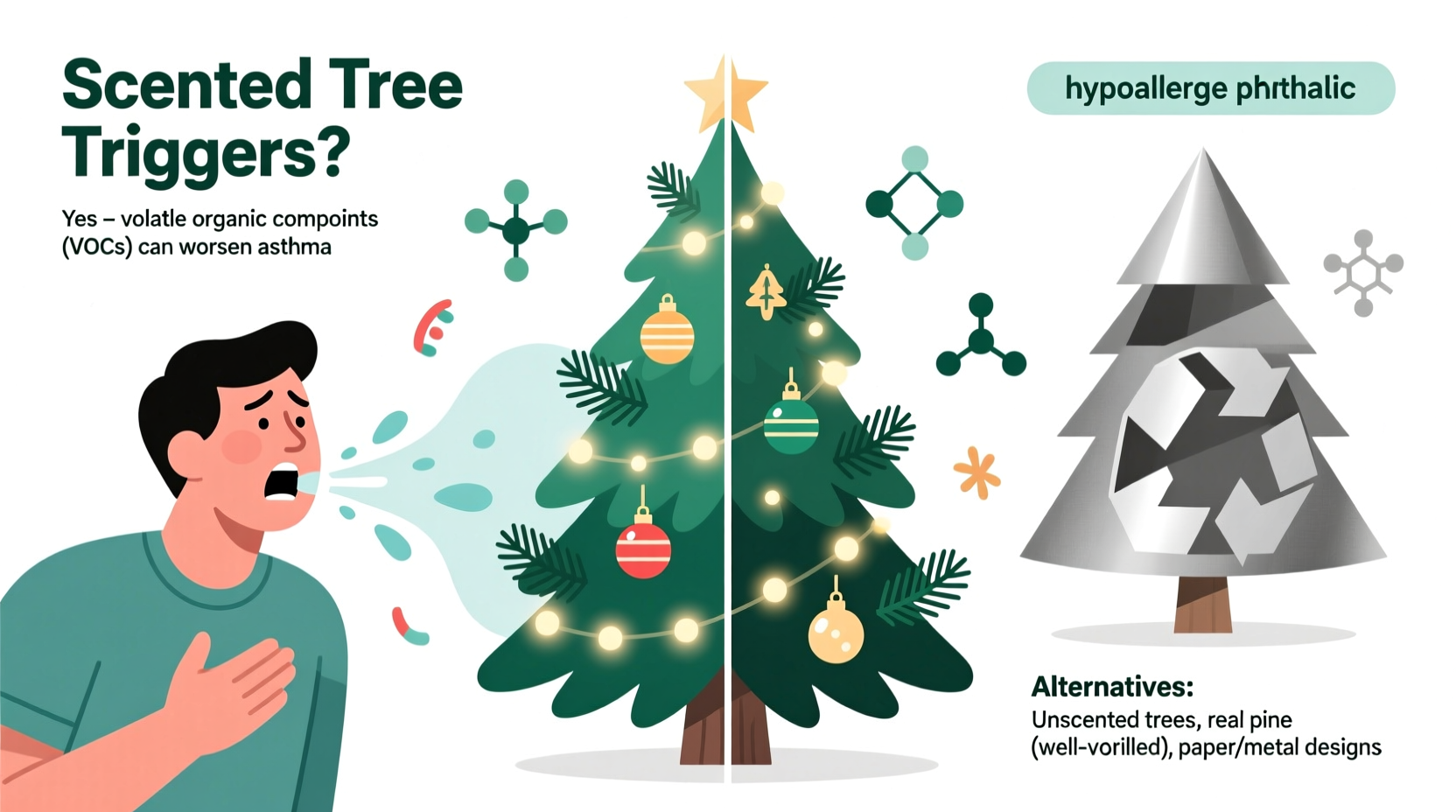
Asthma is a chronic condition characterized by inflammation and narrowing of the airways, leading to wheezing, coughing, chest tightness, and shortness of breath. Triggers vary widely among individuals but commonly include airborne irritants such as pollen, dust mites, smoke, mold, and strong odors. The volatile organic compounds (VOCs) released by both real and artificial Christmas trees fall into this category of potential respiratory irritants.
Real Christmas trees emit natural terpenes—organic compounds responsible for their distinctive piney smell. While these are not synthetic fragrances, they can still provoke reactions in sensitive individuals. Limonene and pinene, two common terpenes found in conifers, have been shown in studies to react with ozone indoors to form secondary pollutants like formaldehyde and ultrafine particles, which can exacerbate asthma symptoms.
Artificial trees pose different risks. Many are made from polyvinyl chloride (PVC), which may off-gas phthalates and chlorine-based compounds over time. When stored in damp basements or attics, they can also harbor mold spores, a well-documented asthma trigger. Spraying them with artificial pine-scented aerosols only increases exposure to chemical irritants.
“Indoor air pollution during the holidays is often overlooked, but fragranced products—including Christmas trees and their enhancers—can significantly worsen asthma control.” — Dr. Lena Patel, Pulmonary Specialist at National Respiratory Health Institute
Common Sources of Tree-Related Irritants
It’s not just the tree itself that contributes to poor indoor air quality. Multiple components associated with holiday decorating can introduce or amplify respiratory triggers:
- Natural tree resins and sap: These sticky substances release aromatic VOCs when warmed by indoor heating systems.
- Mold spores on live trees: Outdoor trees harvested for sale often carry mold, especially if stored in humid conditions before purchase.
- Dust and debris on artificial trees: Stored trees accumulate dust, pet dander, and sometimes rodent droppings, all potent allergens.
- Scented sprays and plug-ins: Products marketed to enhance the “forest” aroma often contain synthetic fragrances linked to airway irritation.
- Tree stands and water reservoirs: Standing water promotes bacterial and mold growth, particularly if not changed regularly.
A 2021 study published in Indoor Air Journal found that homes with real Christmas trees experienced a 5-fold increase in airborne mold counts within two weeks of setup. In several cases, this rise correlated with increased use of rescue inhalers among household members with diagnosed asthma.
Safe Alternatives to Scented Christmas Trees
Enjoying the holiday spirit doesn’t require compromising respiratory health. Several thoughtful alternatives allow families to maintain tradition while minimizing risk.
1. Low-Odor Real Trees
Not all evergreens are equally aromatic. Some species produce fewer VOCs and less sap, making them better suited for sensitive individuals:
- Fir trees (e.g., Fraser fir, Balsam fir): Generally less resinous than pines, with a milder scent.
- Spruce trees: Moderate fragrance, though more prone to needle drop.
- Cedar or white pine: Avoid these if sensitivity is high—they tend to be stronger-smelling.
If opting for a real tree, rinse the trunk and branches with water before bringing it inside to reduce surface mold. Let it dry thoroughly and place it away from heating vents to minimize VOC dispersion.
2. Hypoallergenic Artificial Trees
Modern manufacturing offers PVC-free artificial trees made from polyethylene (PE), which emits fewer chemicals. Look for models labeled “low-VOC” or “phthalate-free.” Before assembling, wipe down each branch with a damp microfiber cloth to remove dust and residues from storage.
3. Potted Live Trees (Indoor or Replantable)
A growing trend involves purchasing small, potted evergreens—such as dwarf Alberta spruce or Norfolk Island pine—that can live indoors temporarily and then be replanted outdoors or kept as houseplants. These trees typically have contained root systems and lower emissions due to limited size and soil volume.
Ensure proper drainage to prevent mold in the potting mix, and avoid overwatering. After the holidays, transition the tree gradually back to outdoor conditions to improve survival rates.
4. Non-Traditional Tree Substitutes
For those seeking creative, fragrance-free solutions, consider alternative centerpieces:
- Wooden ladder trees: Constructed from reclaimed wood and decorated with lights and ornaments.
- Book trees: Stack holiday books in a triangular shape and wrap with twinkle lights.
- Wall-mounted tree silhouettes: Use garlands, branches, or painted designs to create a tree shape on the wall.
- Potted non-conifer plants: Norfolk Island pine (non-aromatic), fiddle-leaf fig, or even a large house fern can serve as a green focal point.
Step-by-Step Guide: Setting Up a Respiratory-Safe Holiday Tree
Whether choosing a real or artificial option, follow this timeline to reduce asthma risks without sacrificing holiday cheer:
- Week 1: Assess sensitivities. Discuss any respiratory issues with household members. Keep a symptom diary starting two weeks before tree setup.
- Day of Purchase: Choose wisely. Opt for low-scent trees or clean artificial ones. Avoid pre-sprayed or \"fragrance-enhanced\" products.
- Upon Arrival: Clean thoroughly. Hose down real trees outside; wipe artificial trees branch by branch. Allow to dry completely.
- Setup Day: Ventilate the space. Open windows during assembly. Use an air purifier with a HEPA and carbon filter nearby.
- Ongoing Maintenance: Monitor and maintain. Change water in tree stands daily. Vacuum around the base weekly. Replace air filters in HVAC systems.
- Takedown: Remove promptly. Take down the tree within two weeks to avoid mold buildup. Store artificial trees in sealed, dry containers.
Comparison Table: Tree Types and Asthma Risk Factors
| Tree Type | VOC Emission | Mold Risk | Dust Accumulation | Recommended for Asthma? |
|---|---|---|---|---|
| Real Pine | High | High | Medium | No |
| Real Fir (Fraser/Balsam) | Moderate | Moderate-High | Medium | Limited use, rinsed first |
| Artificial (PVC) | Moderate (off-gassing) | High (if stored poorly) | High | No, unless cleaned thoroughly |
| Artificial (PE, low-VOC) | Low | Low | Moderate | Yes, with cleaning |
| Potted Live Tree | Low-Moderate | Moderate (soil moisture) | Low | Yes, with care |
| Non-Plant Alternatives | None | None | Low | Highly recommended |
Mini Case Study: The Thompson Family’s Asthma-Friendly Holiday
The Thompsons of Portland, Oregon, had always celebrated with a freshly cut Douglas fir. But when their youngest child, Mia, was diagnosed with allergic asthma at age six, holiday traditions came under review. During her first Christmas post-diagnosis, Mia developed persistent nighttime coughing and required her rescue inhaler twice daily. Her pediatric pulmonologist suggested evaluating environmental triggers.
The family switched to a potted Norfolk Island pine for the next season. They placed it near a window with indirect light, used a dehumidifier in the room, and avoided any scented candles or sprays. They decorated with fabric ornaments and LED lights. Mia reported no breathing difficulties that December, and her peak flow readings remained stable throughout the month.
Encouraged, the Thompsons now donate a tree to a local park in lieu of cutting one down. Their new tradition includes planting a native tree each spring—a gesture that supports both the environment and their daughter’s health.
Checklist: Creating an Asthma-Safe Holiday Environment
Use this actionable checklist to protect respiratory health during the holidays:
- ☐ Choose a low-odor or non-scented tree alternative
- ☐ Clean artificial trees thoroughly before setup
- ☐ Rinse real trees with water to reduce mold
- ☐ Use a HEPA air purifier in the main living area
- ☐ Avoid scented candles, diffusers, and aerosol sprays
- ☐ Vacuum and dust frequently, especially around the tree
- ☐ Keep pets away from the tree to reduce dander spread
- ☐ Limit tree display duration to 7–14 days
- ☐ Monitor asthma symptoms daily and adjust environment as needed
- ☐ Have rescue inhalers easily accessible at all times
FAQ
Can the smell of a Christmas tree cause an asthma attack?
Yes, for some individuals. Strong natural or artificial scents can act as irritants, triggering bronchoconstriction and inflammation in sensitive airways. This is more likely with prolonged exposure or in poorly ventilated spaces.
Are fake Christmas trees safer than real ones for people with asthma?
Not inherently. While artificial trees don’t emit terpenes, they can harbor dust, mold, and off-gas chemicals from plastics. However, with proper cleaning and ventilation, they can be a lower-risk option compared to heavily scented real trees.
What’s the safest way to add holiday fragrance without risking asthma symptoms?
Opt for non-aerosol, naturally derived scents in moderation. Simmering citrus peels, cinnamon sticks, and cloves on the stove provides a mild, controllable aroma without synthetic additives. Always ensure good airflow and discontinue use if anyone experiences discomfort.
Conclusion
The holiday season should be a time of joy, not respiratory distress. While the allure of a fragrant Christmas tree is undeniable, it's crucial to recognize that for millions of people with asthma, that scent comes with real health consequences. Fortunately, modern alternatives make it possible to celebrate safely without sacrificing tradition or ambiance.
By understanding the sources of indoor irritants, selecting low-emission trees, and maintaining a clean, well-ventilated home, families can enjoy a festive atmosphere that supports everyone’s well-being. Whether through a potted evergreen, a handmade wooden tree, or a simple shift in decorating habits, small changes can lead to significant improvements in air quality and comfort.




 浙公网安备
33010002000092号
浙公网安备
33010002000092号 浙B2-20120091-4
Comments
No comments yet. Why don't you start the discussion?