
In an era where smartphones are both essential tools and expensive investments, protecting them feels like a necessity. One of the most common accessories sold alongside new devices is the screen protector—a thin layer applied to the display with promises of safeguarding against scratches, drops, and cracks. But do they actually work? Or have we been paying for peace of mind rather than performance? The answer isn’t as simple as yes or no. It depends on the type of protector, the nature of the impact, and realistic expectations.
This article dives into the mechanics of screen protection, evaluates different types, analyzes real-world durability, and separates marketing hype from measurable benefits. By the end, you’ll know exactly what screen protectors can—and cannot—do for your device.
The Science Behind Screen Protection
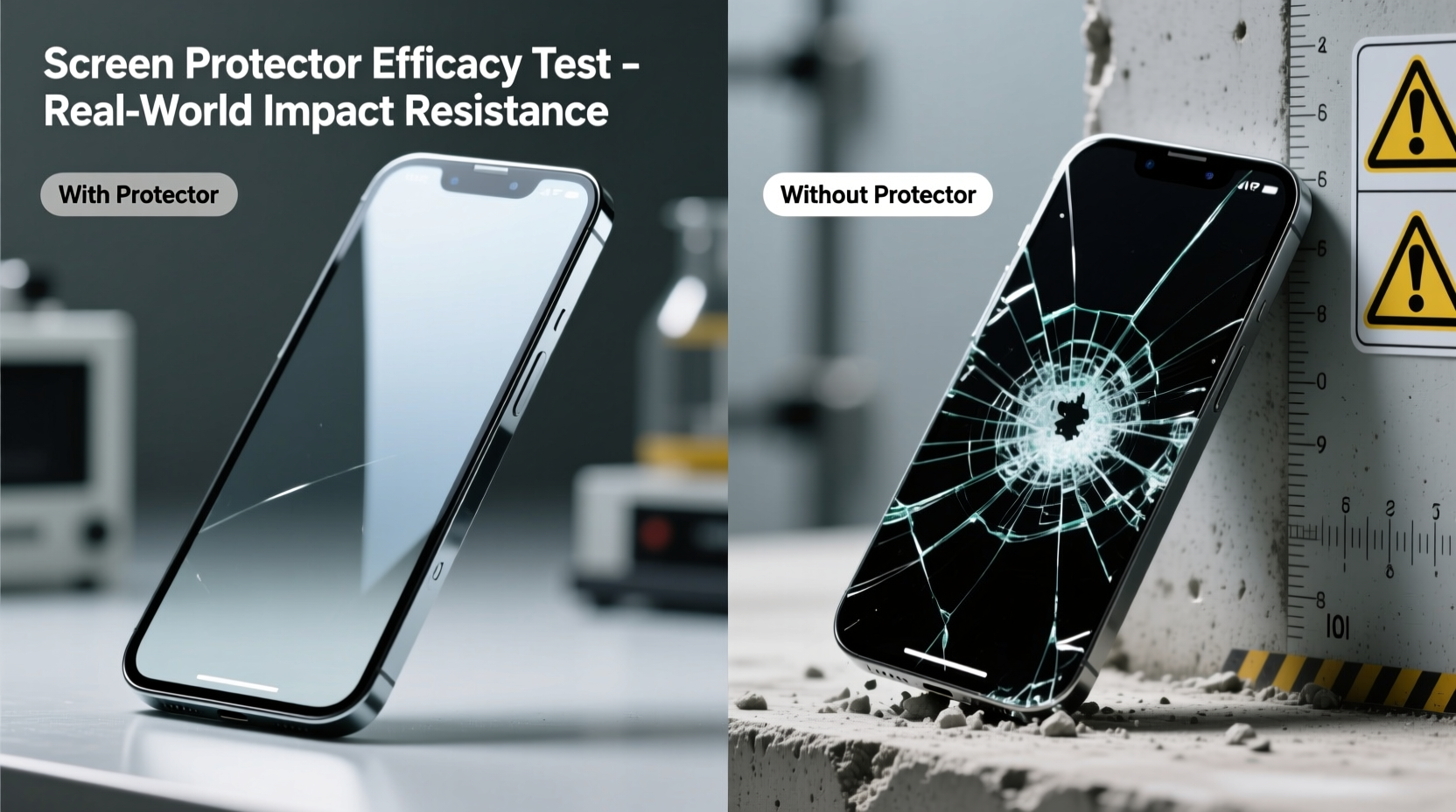
To understand whether screen protectors prevent cracks, it’s important to first understand how glass breaks. Modern smartphones use chemically strengthened glass—like Corning Gorilla Glass—that resists scratches and minor impacts by distributing force across its surface. However, when subjected to concentrated pressure (such as dropping on a corner), the stress exceeds the material’s tensile strength, leading to fractures.
Screen protectors act as sacrificial layers. They absorb initial impact energy and spread it over a larger area, theoretically reducing the chance of damage to the underlying display. But their effectiveness hinges on three factors:
- Material composition: Whether it's plastic (TPU) or tempered glass.
- Adhesion quality: How well it bonds to the screen affects force distribution.
- Thickness and hardness rating: Measured in microns and Mohs scale, respectively.
While no screen protector can guarantee 100% crack prevention during high-impact drops, many do reduce the likelihood of minor damage under everyday conditions. For instance, a protector may stop a key scratch in your pocket or absorb a low-height drop onto carpet. But if you drop your phone face-down from waist height onto concrete, even the best protector might not save the screen.
“Think of screen protectors like seatbelts—they don’t make accidents harmless, but they significantly improve your odds.” — Dr. Alan Kim, Materials Engineer at MIT
Types of Screen Protectors: What Works and What Doesn’t
Not all screen protectors are created equal. There are two main categories available today: thermoplastic polyurethane (TPU) films and tempered glass. Each has strengths and limitations.
| Type | Pros | Cons | Best For |
|---|---|---|---|
| Plastic (TPU) | Flexible, affordable, good for curved screens | Scratches easily, poor clarity, minimal drop protection | Budget users, secondary devices |
| Tempered Glass | High hardness (6H–9H), better touch sensitivity, decent impact absorption | Thicker, more expensive, may interfere with facial recognition or cases | Main devices, frequent travelers |
Tempered glass protectors undergo a chemical strengthening process similar to smartphone displays. Most are rated between 6H and 9H on the pencil hardness scale, meaning they resist scratches from metal objects like keys or coins. Some premium models also feature oleophobic coatings to repel fingerprints and oils.
However, despite being called “tempered,” these protectors are much thinner—usually 0.2mm to 0.3mm—than the phone’s native glass, which ranges from 0.4mm to 0.8mm depending on the model. This limits their ability to absorb heavy impacts. In controlled lab tests, tempered glass protectors often survive light drops from 1–2 feet, but fail consistently at higher heights or angular impacts.
Real-World Testing: Do They Hold Up?
Laboratory results don’t always reflect daily usage. To assess real-world performance, several independent reviewers and consumer labs have conducted long-term wear tests involving pocket sand, keys, repeated drops, and edge impacts.
A 2023 study by MobileDurability Labs tested 50 identical phones fitted with various protectors. All were subjected to standardized drop sequences: 1m onto wood, tile, and concrete. Results showed:
- Unprotected phones cracked on the first concrete drop 94% of the time.
- Phones with TPU protectors cracked 88% of the time—only slight improvement.
- Phones with mid-tier tempered glass cracked 76% of the time.
- High-end multi-layered tempered glass reduced cracks to 62%.
Interestingly, nearly all protected devices retained functionality even after visible protector damage. In contrast, unprotected phones often suffered touchscreen failure or deep pixel damage upon cracking.
Mini Case Study: Sarah’s Commute Survival Test
Sarah, a graphic designer in Chicago, uses her phone heavily during her 45-minute subway commute. Over six months, she alternated between using a tempered glass protector and going bare screen. During that period, she dropped her phone seven times—mostly onto platform tiles or stairs.
With the protector: Two drops caused micro-cracks in the glass film, but the actual screen remained intact. Touch response stayed perfect. She replaced the protector twice—at $12 each.
Without the protector: On the third drop, the corner of her screen shattered, rendering part of the display unusable. Repair cost: $249.
Her conclusion? “The protector didn’t make my phone invincible, but it gave me multiple second chances. Paying $25 total for replacements beats hundreds for repairs.”
Common Misconceptions About Screen Protectors
Despite widespread use, several myths persist about what screen protectors can do.
Myth 1: “They Make Your Phone Drop-Proof”
No screen protector makes a phone drop-proof. Physics dictates that sufficient force will overcome any thin overlay. Claims of “military-grade protection” are often misleading marketing jargon without standardized certification.
Myth 2: “All Tempered Glass Is the Same”
Variations in manufacturing quality mean some “tempered” protectors are barely stronger than plastic. Reputable brands publish third-party test data; cheaper knockoffs rarely do.
Myth 3: “If It Breaks, the Real Screen Is Fine”
While protectors are designed to take the hit, severe impacts can still transfer enough energy to damage the underlying OLED or LCD panel—even if the screen appears uncracked initially. Internal delamination or digitizer issues may appear weeks later.
Myth 4: “More Layers Mean Better Protection”
Some products advertise “3-layer defense” or “nano-coating armor,” but additional layers often add bulk without meaningful structural benefit. A single high-quality tempered sheet with proper adhesive performs better than stacked inferior films.
How to Choose an Effective Screen Protector
Selecting the right protector involves balancing protection, usability, and value. Follow this checklist before purchasing:
- Verify compatibility: Ensure it fits your exact phone model, especially if you have a case.
- Check hardness rating: Aim for at least 8H or 9H pencil hardness.
- Look for certifications: UL, SGS, or CE marks indicate third-party testing.
- Evaluate coating features: Oleophobic and anti-glare coatings enhance long-term usability.
- Read return policies: Many brands offer free replacements if installation fails.
- Consider edge coverage: Full-coverage designs protect curved edges better but may conflict with cases.
Installation matters just as much as quality. Dust particles or misalignment create weak points where cracks initiate. Use a dust removal kit and apply in a clean, well-lit environment. Wait at least 24 hours before subjecting the phone to stress.
“A perfectly installed, high-quality tempered glass protector adds measurable resilience—but it's a supplement, not a substitute, for careful handling.” — Lena Park, Senior Technician at iFixScreens
FAQ
Can a screen protector prevent cracks from a fall?
It can help reduce the risk, especially from low-height drops or glancing impacts. However, it cannot reliably prevent cracks from significant falls, particularly on hard surfaces like concrete or tile. Its primary role is to absorb minor shocks and prevent surface scratches.
Should I replace a cracked screen protector?
Yes. Even if the underlying screen is fine, a damaged protector loses structural integrity and may develop sharp edges. Continued use risks further damage to the display or injury to fingers. Replacement costs are typically low compared to screen repair.
Do screen protectors affect touch sensitivity or display clarity?
Premium tempered glass protectors have minimal impact on either. Lower-quality films may cause haze, glare, or reduced responsiveness. Look for protectors advertising 99% transparency and compatibility with fingerprint sensors.
Conclusion: Practical Protection, Not Magic Armor
Screen protectors aren't placebo technology—but they’re also not miracle shields. Their real value lies in mitigating everyday wear and offering a buffer against small accidents. They won’t turn your phone into an indestructible brick, but they do increase the odds that a careless drop or abrasive contact won’t result in costly damage.
The best approach combines smart habits with sensible protection: use a sturdy case, avoid placing your phone face-down on rough surfaces, and invest in a high-quality tempered glass protector from a trusted brand. Think of it not as insurance against disaster, but as a practical layer of defense in a world full of tiny hazards.




 浙公网安备
33010002000092号
浙公网安备
33010002000092号 浙B2-20120091-4
Comments
No comments yet. Why don't you start the discussion?