
Silicone phone cases are popular for their flexibility, shock absorption, and sleek design. They offer reliable protection against drops and scratches while maintaining a slim profile. However, many users notice an unsettling change months after purchase: their once-clear or light-colored case begins to turn yellow. This discoloration isn’t just unattractive—it can make a device look older than it is. The good news is that yellowing is not inevitable. Understanding the science behind it and adopting preventive habits can keep your case looking fresh for much longer.
Why Silicone Phone Cases Yellow Over Time
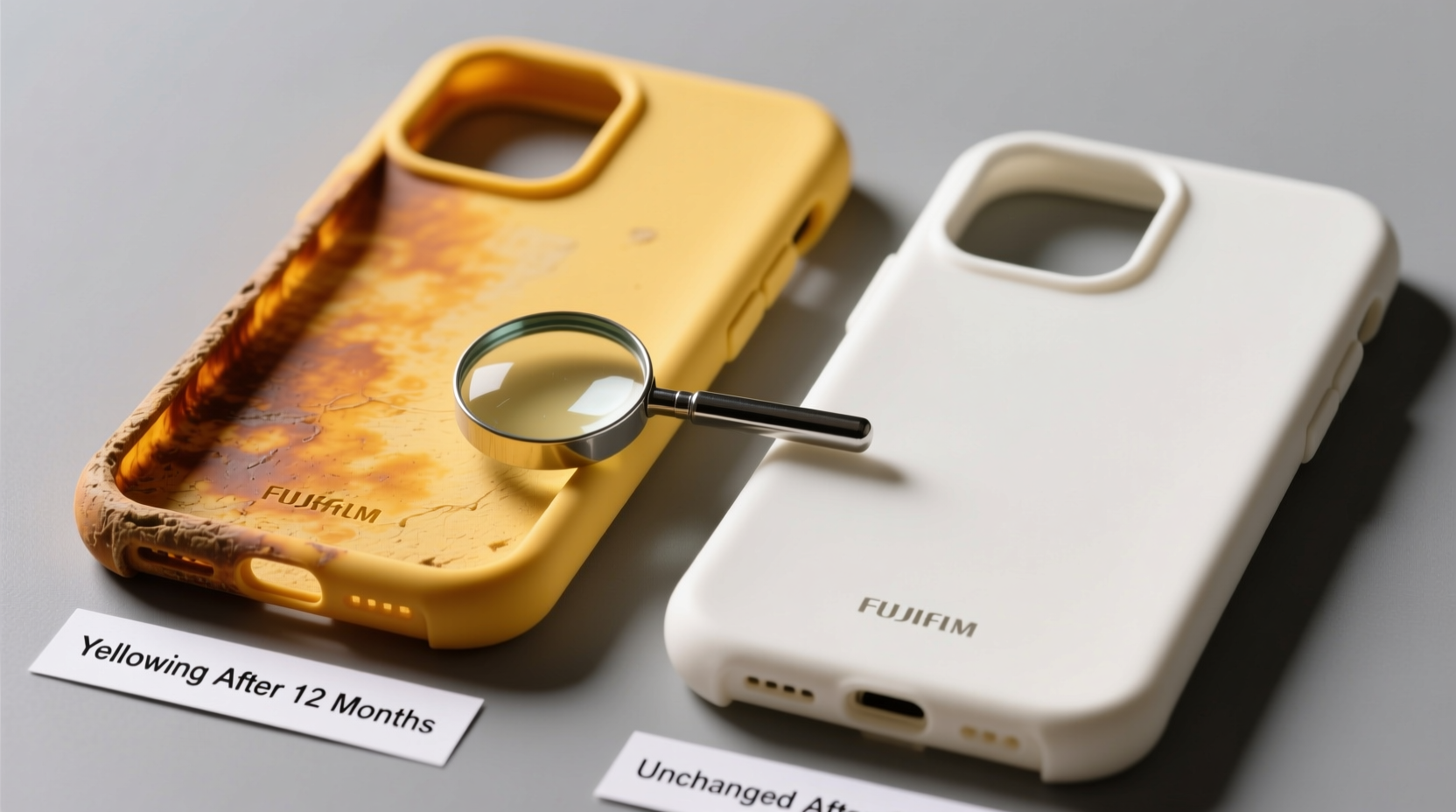
The yellowing of silicone phone cases is primarily a chemical reaction caused by environmental exposure and material degradation. While pure silicone is inherently stable, most consumer-grade phone cases use a blend of silicone and other additives—often including plasticizers, pigments, and flame retardants—that increase durability and reduce production costs. These additives can react when exposed to certain conditions.
The main contributors to yellowing are:
- Oxidation from UV exposure: Sunlight, especially ultraviolet (UV) rays, breaks down polymer chains in the silicone matrix. This process, known as photodegradation, causes the material to darken and become brittle.
- Contact with oils and sweat: Natural skin oils, hand lotions, and even residues from cleaning products can accelerate surface oxidation. These substances often contain organic compounds that interact with the case’s surface.
- Heat exposure: Leaving your phone in a hot car or near a heat source speeds up molecular breakdown. High temperatures catalyze oxidative reactions, making yellowing appear faster.
- Air pollutants: Ozone, nitrogen oxides, and other airborne contaminants found in urban environments contribute to polymer aging, especially in poorly ventilated spaces.
Over time, these factors combine to alter the optical properties of the silicone, resulting in a yellow or brownish tint—most noticeable in transparent or white cases.
How to Prevent Silicone Case Discoloration
While no silicone case lasts forever without change, you can significantly delay yellowing with consistent care and smart usage habits. Prevention starts with understanding what accelerates degradation—and minimizing those risks.
1. Limit UV and Direct Sunlight Exposure
UV radiation is one of the fastest agents of polymer breakdown. Even indirect sunlight through glass can trigger photo-oxidative stress. Keep your phone out of direct sun whenever possible.
2. Clean Your Case Regularly
Dirt, oils, and grime accumulate on the case’s surface and create a breeding ground for oxidation. A weekly cleaning routine removes these contaminants before they cause lasting damage.
- Remove the phone from the case.
- Wash with lukewarm water and mild dish soap using a soft cloth or sponge.
- Rinse thoroughly and dry with a lint-free towel.
- Allow to air-dry completely before reattaching.
Avoid abrasive cleaners, alcohol wipes, or bleach-based solutions—they may strip protective coatings and weaken the silicone.
3. Store Properly When Not in Use
If you switch cases frequently, store unused ones in a cool, dark place. A drawer or fabric pouch away from windows is ideal. Avoid sealing them in airtight plastic bags unless necessary, as trapped moisture can promote mold and surface reactions.
4. Minimize Contact with Chemicals
Everyday items like hand sanitizer, sunscreen, perfumes, and household cleaners contain alcohols and solvents that degrade silicone over time. After applying such products, wait a few minutes before handling your phone.
“Silicone is durable but not inert. Prolonged exposure to common skincare chemicals can compromise its integrity within months.” — Dr. Lena Torres, Materials Scientist at PolyTech Labs
Comparison: Silicone vs. Other Case Materials
Not all phone cases yellow at the same rate. How does silicone compare to alternatives? This table outlines key differences in longevity, susceptibility to discoloration, and maintenance needs.
| Material | Yellowing Risk | Lifespan (Avg) | Maintenance Level |
|---|---|---|---|
| Silicone (standard) | High | 6–12 months | Medium |
| TPU (Thermoplastic Polyurethane) | Very High | 3–9 months | High |
| Hard Plastic (Polycarbonate) | Low | 2+ years | Low |
| Leather | Minimal (ages gracefully) | 2–5 years | Medium |
| Hybrid (Silicone + PC back) | Moderate (edges may yellow) | 1–2 years | Medium |
As shown, while silicone offers excellent grip and cushioning, it ranks among the more vulnerable materials when it comes to long-term appearance. Transparent TPU cases yellow even faster, which is why many manufacturers now add UV stabilizers to premium models.
Real-World Example: One User’s Experience
Jamie, a graphic designer from Portland, uses her smartphone heavily throughout the day. She purchased a clear silicone case for her new phone, expecting it to last at least a year. Within four months, however, the edges began turning yellow—especially around the buttons and corners.
After researching the issue, she realized she regularly left her phone near her desk lamp during late-night edits and often handled it right after applying hand cream. She switched to a routine of wiping the case weekly with a damp microfiber cloth and started storing her phone in a fabric-lined tray when not in use. Six months later, the replacement case still looks nearly new.
Her takeaway: small changes in handling and storage make a measurable difference in longevity.
Step-by-Step Guide to Cleaning a Yellowed Silicone Case
If your case has already begun to yellow, don’t discard it immediately. In some cases, early-stage discoloration can be reversed or minimized with proper cleaning.
- Remove the phone: Always detach the device first to avoid accidental liquid exposure.
- Prepare a cleaning solution: Mix one part hydrogen peroxide (3%) with two parts water. Alternatively, use a paste made from baking soda and a few drops of water.
- Soak the case: Submerge it in the solution for 1–2 hours. For stubborn stains, leave it in direct sunlight during peak daylight hours—the UV helps activate the peroxide.
- Scrub gently: Use a soft toothbrush to clean seams, ports, and button areas where residue builds up.
- Rinse and dry: Wash off all cleaning agents with cool water and pat dry with a lint-free cloth. Let it air-dry completely before reuse.
Note: This method works best on mild yellowing. Severely discolored or cracked cases should be replaced, as structural integrity may already be compromised.
Checklist: How to Keep Your Silicone Case Looking New
Follow this simple checklist monthly to extend the life of your case:
- ☑ Clean the case with mild soap and water at least once a week
- ☑ Avoid placing the phone in direct sunlight (e.g., car dash, windowsill)
- ☑ Keep hands clean and dry before handling the phone
- ☑ Don’t expose the case to harsh chemicals (sanitizers, solvents, cosmetics)
- ☑ Store in a cool, dark place when switching devices or cases
- ☑ Inspect monthly for early signs of yellowing or texture changes
- ☑ Replace every 9–12 months, even if no visible damage is present
Frequently Asked Questions
Can I stop a silicone case from yellowing completely?
Complete prevention is difficult due to natural material aging, but diligent care—such as regular cleaning, avoiding UV exposure, and minimizing contact with oils—can delay yellowing for over a year. Some high-end cases now include anti-yellowing additives like HALS (Hindered Amine Light Stabilizers), which improve resistance.
Are all clear phone cases prone to yellowing?
Virtually all clear cases made from organic polymers—especially TPU and soft silicone blends—are susceptible to yellowing. Hard polycarbonate cases resist discoloration better but lack the flexibility and grip of silicone. If clarity is a priority, opt for brands that advertise \"anti-yellowing\" technology and check customer reviews for long-term feedback.
Is a yellowed case harmful to my phone?
A yellowed case is generally not harmful to the phone itself, but advanced discoloration often indicates material breakdown. A degraded case may lose shock absorption, develop cracks, or trap dirt and moisture against the phone’s surface. It’s wise to replace it before performance declines.
Conclusion: Protect Your Investment with Smart Habits
Your phone case does more than protect—it reflects your personal style and attention to detail. While silicone offers unmatched comfort and protection, it requires mindful upkeep to maintain its appearance. Yellowing isn’t a flaw; it’s a natural outcome of environmental exposure. But with informed choices and consistent care, you can dramatically slow the process.
Start today by evaluating how and where you use your phone. Simple actions—like wiping the case weekly, avoiding prolonged sun exposure, and choosing higher-quality materials—add up to lasting results. Don’t wait until discoloration sets in. Prevention is always easier than restoration.




 浙公网安备
33010002000092号
浙公网安备
33010002000092号 浙B2-20120091-4
Comments
No comments yet. Why don't you start the discussion?