
A good night’s sleep starts with more than just a comfortable mattress. The foundation beneath it plays a crucial role in support, durability, and overall comfort. For decades, the box spring has been considered a standard component of a bed setup. But with modern advancements in mattress technology and alternative foundation options, many homeowners are questioning: do you really need a box spring? The answer isn’t always straightforward—it depends on your mattress type, bed frame, and personal preferences. Understanding when a box spring is essential—and when it’s not—can help you make an informed decision that supports both your spine and your budget.
What Is a Box Spring and What Does It Do?
A box spring is a wooden or metal frame filled with springs, designed to sit between the mattress and the floor or bed frame. Historically, its primary function was to absorb impact, reduce wear on the mattress, and elevate the sleeping surface for easier access. Unlike a solid platform, a traditional box spring provides slight give, which can complement innerspring mattresses by enhancing bounce and airflow.
Modern box springs are often lighter and less springy than their predecessors. Some are even “low-profile,” standing only 4–5 inches tall, making them compatible with contemporary bed frames and adjustable bases. However, with the rise of memory foam, latex, and hybrid mattresses, the necessity of a box spring has diminished in many cases.
“Box springs were engineered for innerspring mattresses in an era when foundations lacked rigidity. Today’s high-density foams and reinforced platforms often make them redundant.” — Dr. Alan Reyes, Sleep Ergonomics Specialist
When a Box Spring Is Essential
While not always required, there are specific scenarios where using a box spring is strongly recommended—or even mandatory:
- Manufacturer Requirements: Many mattress warranties require use of a proper foundation, and some specify a box spring. Using an unsupported base could void your warranty.
- Innerspring Mattresses: These rely on firm, even support. A box spring helps distribute weight and prevents sagging over time.
- Elevated Bed Frames: If your bed frame is tall and lacks built-in support slats, a box spring fills the gap and stabilizes the mattress.
- Improved Airflow: Elevating the mattress allows better ventilation, reducing moisture buildup—especially important in humid climates.
When You Can Skip the Box Spring
Not every mattress needs a box spring. In fact, using one unnecessarily can add cost and height without benefit. Here are situations where a box spring is optional or discouraged:
- Memory Foam or Latex Mattresses: These dense materials require rigid support. A solid platform or slatted base (with slats no more than 3 inches apart) is often better than a flexible box spring.
- Adjustable Bases: These replace both the box spring and bed frame, offering customizable positions. Adding a box spring would interfere with motorized functions.
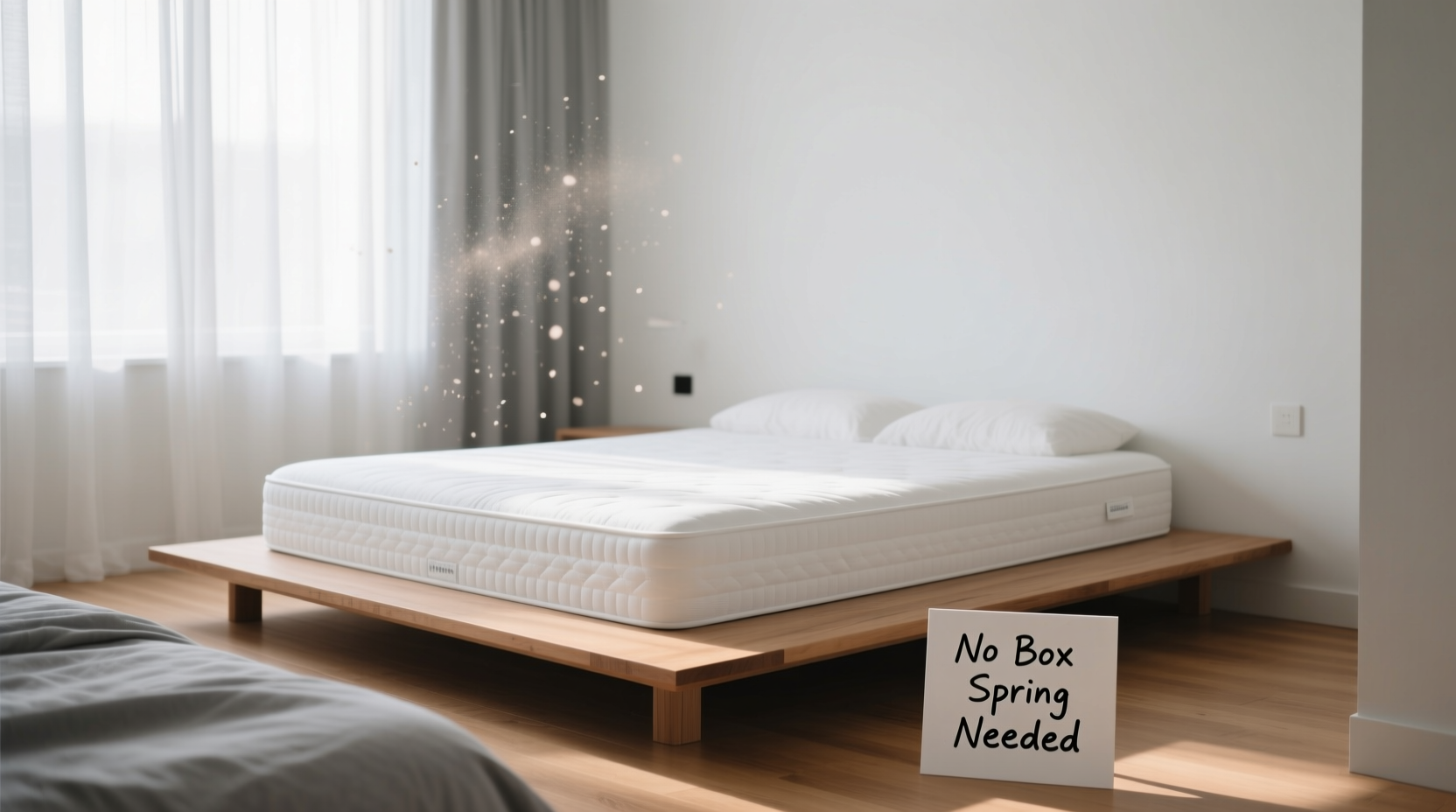
- Platform Beds: Designed with built-in support systems, platform beds eliminate the need for additional foundations.
- Space-Saving Goals: Lowering the bed height improves accessibility and fits better under windows or in compact rooms.
Real Example: Sarah’s Upgrade Dilemma
Sarah purchased a new hybrid mattress advertised as \"compatible with any flat, solid surface.\" Her old bed used a worn-out box spring, so she assumed she’d need a replacement. After researching, she discovered her platform bed provided adequate support. She skipped the $120 box spring and placed the mattress directly on the slats. Six months later, the mattress shows no signs of sagging, and she saved money while gaining extra under-bed storage space.
Alternatives to Traditional Box Springs
If a standard box spring isn’t right for your setup, several effective alternatives exist:
| Alternative | Best For | Pros | Cons |
|---|---|---|---|
| Platform Bed Base | Memory foam, latex, low-profile setups | Firm support, modern look, no extra cost | Limited adjustability, heavier |
| Slatted Foundation | Most mattress types with proper spacing | Ventilation, lightweight, affordable | May need reinforcement for heavy users |
| Adjustable Base | Chronic pain sufferers, tech lovers | Custom positions, massage features, USB ports | Expensive, requires power outlet |
| Foam or Metal Grid Support | Temporary or minimalist setups | Cheap, portable, easy assembly | Less durable, limited lifespan |
Step-by-Step Guide: Choosing the Right Foundation
Selecting the ideal base for your mattress involves evaluating multiple factors. Follow this process to ensure compatibility and long-term satisfaction:
- Review Your Mattress Warranty: Check manufacturer recommendations. Look for terms like “foundation required” or “solid, flat surface.”
- Assess Your Bed Frame: Does it have center support legs and closely spaced slats (≤3 inches)? If yes, it likely doesn’t need a box spring.
- Determine Desired Height: Taller beds may need a box spring for ergonomics; lower profiles suit platform designs.
- Consider Mattress Type: Innerspring = often benefits from box spring. Memory foam/latex = prefers solid or slatted support.
- Test for Stability: Place the mattress on your chosen base. Sit on the edge—if it feels wobbly or sinks excessively, reinforce or reconsider.
- Budget Accordingly: Skipping a box spring can save $80–$200. Invest those savings in a higher-quality mattress if needed.
FAQ: Common Questions About Box Springs
Can I put my mattress directly on the floor?
Yes, but with caveats. While placing a mattress on the floor offers firm support, it limits airflow, increasing moisture retention and potential mold risk. It may also attract dust and pests. This method works best in dry climates and with washable covers. Rotate the mattress frequently to mitigate uneven wear.
Will my mattress sag faster without a box spring?
Only if the underlying support is inadequate. A high-quality platform bed with reinforced slats provides better support than a worn or flimsy box spring. Sagging occurs due to poor weight distribution, not the absence of a box spring itself.
Are box springs outdated?
They’re evolving, not obsolete. While fewer people use traditional bulky box springs, low-profile versions and specialized foundations remain relevant. Their usefulness depends on context—not universal necessity.
Checklist: Do You Need a Box Spring?
Use this quick checklist to determine whether a box spring suits your situation:
- ☐ Is your mattress an innerspring model requiring spring-based support?
- ☐ Does your warranty explicitly require a box spring?
- ☐ Is your bed frame tall and lacking internal support slats?
- ☐ Do you prefer a higher sleeping surface for easier起身?
- ☐ Are you using an adjustable base or platform bed? (If yes, skip the box spring.)
- ☐ Is your current foundation damaged or unstable?
If three or more answers are “yes,” a box spring may be beneficial. Otherwise, consider modern alternatives.
Final Thoughts: Making the Right Choice for Your Sleep Health
The decision to use a box spring should be based on functionality, not tradition. While they once played a vital role in mattress longevity, today’s bedding ecosystem offers smarter, more adaptable solutions. The key is matching your foundation to your mattress type, bed frame, and lifestyle needs. Prioritize even support, proper ventilation, and warranty compliance above all else.
Whether you opt for a box spring, a sleek platform base, or an adjustable foundation, the goal remains the same: creating a stable, supportive environment where your body can rest and recover fully. Don’t assume older standards still apply—evaluate your unique setup with fresh eyes.




 浙公网安备
33010002000092号
浙公网安备
33010002000092号 浙B2-20120091-4
Comments
No comments yet. Why don't you start the discussion?