
Anxiety affects millions of people worldwide, prompting a growing interest in complementary therapies like aromatherapy. With essential oils lining shelves in wellness stores and diffusers glowing in homes across the globe, many claim relief from stress simply by inhaling lavender or bergamot. But does this practice deliver real physiological benefits, or is its effectiveness rooted in personal belief and the placebo effect? This article explores the science behind scent and stress, examines clinical evidence, and considers how psychology and biology intersect in the experience of anxiety relief.
The Science of Scent and the Brain
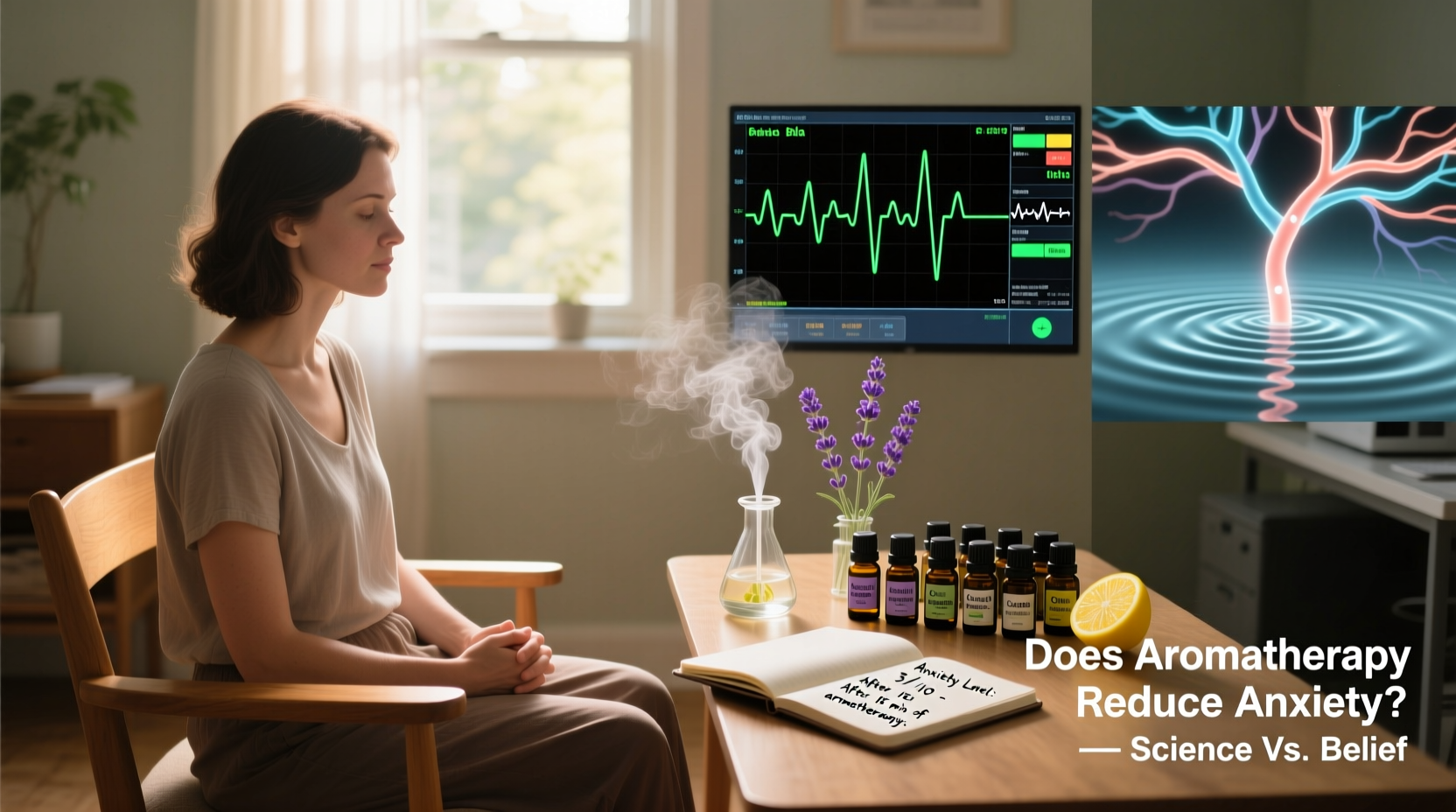
The human olfactory system—our sense of smell—is uniquely wired to influence emotion and memory. Unlike other senses, olfactory signals bypass the thalamus and travel directly to the limbic system, the brain’s emotional control center. This includes the amygdala and hippocampus, regions involved in fear, mood regulation, and memory formation. When you inhale an aroma, those scent molecules bind to receptors in the nose, sending immediate signals that can trigger calm, alertness, or even distress.
Essential oils used in aromatherapy are concentrated plant extracts believed to retain the natural fragrance and therapeutic properties of their source. For example, linalool—a compound found in lavender—has been shown in animal studies to interact with GABA receptors, the same neural pathways targeted by anti-anxiety medications like benzodiazepines. Similarly, limonene in citrus oils such as bergamot may elevate serotonin levels, contributing to improved mood.
“Olfaction is our most primal sense, and its direct link to emotional processing makes scent a powerful tool—even if part of its effect is psychological.” — Dr. Naomi Feldman, Neuroscientist and Sensory Researcher
While these biochemical interactions suggest plausible mechanisms, the question remains: can they consistently reduce measurable symptoms of anxiety in humans?
Clinical Evidence: What Studies Reveal
A growing body of research has investigated whether aromatherapy produces statistically significant reductions in anxiety. A 2021 meta-analysis published in *Complementary Therapies in Clinical Practice* reviewed 35 randomized controlled trials involving over 3,000 participants. The findings indicated that aromatherapy interventions—particularly inhalation of lavender, bergamot, and chamomile—were associated with moderate reductions in self-reported anxiety scores compared to control groups.
In one notable study, patients undergoing coronary angiography were exposed to lavender oil via inhalation. Those in the aromatherapy group showed significantly lower heart rates and blood pressure, along with reduced subjective anxiety, compared to the placebo group who inhaled unscented oil. Another trial with postpartum women found that daily use of bergamot essential oil for one week led to measurable improvements in cortisol levels—the hormone associated with stress.
However, not all results are conclusive. Some studies report minimal or no difference between true essential oils and placebo scents when objective biomarkers (like cortisol or heart rate variability) are measured. This inconsistency raises questions about the role of expectation and belief in shaping outcomes.
The Placebo Effect: Is Belief Enough?
The placebo effect is not “fake” healing—it’s a real neurobiological phenomenon. Expectation can activate dopamine release, modulate pain perception, and even alter immune responses. In the context of anxiety, believing that a lavender diffuser will calm you may prompt your brain to initiate relaxation responses, regardless of the oil’s chemical potency.
This doesn’t diminish the value of the experience. If someone feels less anxious after using essential oils, the outcome is beneficial, even if partially driven by belief. However, relying solely on placebo limits predictability and scalability. A treatment that works only for those who believe in it cannot be universally recommended in clinical settings.
What makes aromatherapy particularly susceptible to placebo influence is its sensory nature. Smell is deeply tied to memory and personal history. The scent of sandalwood might calm one person because it reminds them of meditation retreats, while triggering discomfort in another due to negative associations. This subjectivity means that individual response varies widely.
Yet, some researchers argue that the mind-body connection should not be separated from “real” medicine. As Dr. Elena Torres, integrative psychiatrist, explains: “The brain doesn’t distinguish neatly between 'chemical' and 'psychological' pathways when it comes to reducing anxiety. If a safe practice like aromatherapy activates relaxation circuits, it deserves a place in holistic care.”
Practical Applications: How to Use Aromatherapy Effectively
Whether aromatherapy works through biochemistry, belief, or both, certain practices increase the likelihood of positive outcomes. The following step-by-step guide outlines how to incorporate essential oils into a routine with intention and consistency.
Step-by-Step Guide to Using Aromatherapy for Anxiety
- Choose the right oil: Start with well-researched options like lavender, bergamot, frankincense, or chamomile. Look for GC/MS test reports to verify purity.
- Select a delivery method: Inhalation is most effective for anxiety. Use a diffuser, personal inhaler, or add 2–3 drops to a tissue or cotton ball.
- Create a ritual: Pair scent with a calming activity—deep breathing, journaling, or mindfulness—to reinforce the association between the aroma and relaxation.
- Use consistently: Apply daily for at least two weeks to assess impact. Effects may be subtle at first but build over time.
- Monitor your response: Keep a brief log noting mood, heart rate, and situational triggers before and after use.
Checklist: Safe and Effective Aromatherapy Practices
- ✔ Dilute oils properly for topical use (never apply undiluted to skin)
- ✔ Avoid phototoxic oils (e.g., citrus) before sun exposure
- ✔ Keep oils away from children and pets (some are toxic to cats and dogs)
- ✔ Consult a healthcare provider if pregnant or managing a medical condition
- ✔ Store oils in dark glass bottles, away from heat and light
Comparing Essential Oils: Efficacy and Safety Overview
| Essential Oil | Common Use | Scientific Support | Potential Risks |
|---|---|---|---|
| Lavender (Lavandula angustifolia) | Anxiety, sleep support | Strong – multiple RCTs show benefit | May cause drowsiness; rare hormonal effects with long-term use |
| Bergamot (Citrus bergamia) | Mood elevation, stress reduction | Moderate – reduces cortisol in some studies | Phototoxic; avoid sun exposure after skin application |
| Chamomile (Roman/German) | Calming, nervous system support | Moderate – supported by animal and small human trials | Allergic reactions possible, especially in those allergic to ragweed |
| Eucalyptus | Respiratory clarity | Weak for anxiety; better for congestion | Toxic if ingested; not recommended for young children |
| Frankincense (Boswellia spp.) | Spiritual grounding, meditation aid | Limited human data; mostly anecdotal | Generally safe but expensive; ensure authenticity |
Real-World Example: A Nurse’s Experience with Shift Anxiety
Sarah, a 38-year-old ICU nurse in Portland, began using aromatherapy during the pandemic when her anxiety spiked before night shifts. “I was having panic attacks in the parking lot,” she recalls. “A colleague suggested trying a roll-on with lavender and vetiver.”
Skeptical but desperate, Sarah applied the blend to her wrists and inhaled deeply before entering the hospital. Within minutes, she noticed her breathing slowed. Over time, she paired the scent with a three-minute box-breathing exercise. After four weeks, she reported a 60% reduction in pre-shift anxiety on a self-assessment scale.
Was it the oil, the breathing, or the ritual? Sarah isn’t sure. “But I know it works for me. Now, just smelling lavender brings me back to that calm state. It’s become a signal to my brain that I’m safe.”
This case illustrates how multiple factors—bioactive compounds, behavioral conditioning, and belief—can converge to produce real results, even if the mechanism isn’t purely pharmacological.
Frequently Asked Questions
Can aromatherapy replace anti-anxiety medication?
No. While aromatherapy may help manage mild to moderate anxiety, it should not replace prescribed treatments for clinical anxiety disorders. Always consult a healthcare provider before making changes to your treatment plan. Aromatherapy is best used as a complementary tool.
Are there risks to using essential oils for anxiety?
Yes, if misused. Some oils can cause skin irritation, allergic reactions, or interact with medications. Ingesting essential oils is not recommended without professional supervision. Additionally, relying solely on aromatherapy for severe anxiety may delay access to more effective interventions.
How quickly does aromatherapy work for anxiety?
Effects vary. Some people feel calmer within minutes of inhalation, especially when combined with deep breathing. Others notice gradual improvement after consistent use over several days or weeks. Immediate relief is often linked to parasympathetic activation, while longer-term benefits may involve neurochemical modulation.
Conclusion: Beyond Belief, Toward Integration
The question of whether aromatherapy reduces anxiety or depends on personal belief is not an either/or proposition. The truth lies in the interplay between biology and psychology. Certain essential oils contain compounds that interact with the nervous system in measurable ways. At the same time, the power of ritual, expectation, and sensory memory amplifies their effect.
For individuals seeking natural, low-risk strategies to support mental well-being, aromatherapy offers a valuable option—especially when used intentionally and safely. It won’t cure generalized anxiety disorder alone, but it can be a meaningful part of a broader self-care strategy that includes therapy, exercise, and proper sleep.
Rather than dismissing aromatherapy as “just placebo,” we might instead recognize that the mind’s ability to heal itself—when guided by scent, habit, and hope—is a profound aspect of human resilience.




 浙公网安备
33010002000092号
浙公网安备
33010002000092号 浙B2-20120091-4
Comments
No comments yet. Why don't you start the discussion?