
Every morning, millions of people reach for a glass of warm water with a squeeze of lemon. It’s touted as a gentle cleanse, a metabolism booster, and a way to “flush out toxins.” But how much of this is rooted in science, and how much is wellness folklore repackaged for social media? The truth lies somewhere between hydration benefits and overstated detox claims. While lemon water isn’t a magic elixir, it does offer subtle advantages—just not the ones most people assume.
The human body already has highly efficient detoxification systems: the liver, kidneys, lungs, skin, and digestive tract work around the clock to neutralize and eliminate harmful substances. No beverage can “boost” this process in the dramatic way influencers suggest. Yet lemon water persists as a wellness staple—and for good reason. When understood correctly, it supports health indirectly, primarily by encouraging better hydration and offering modest nutrient contributions.
The Myth of “Detoxing” with Lemon Water
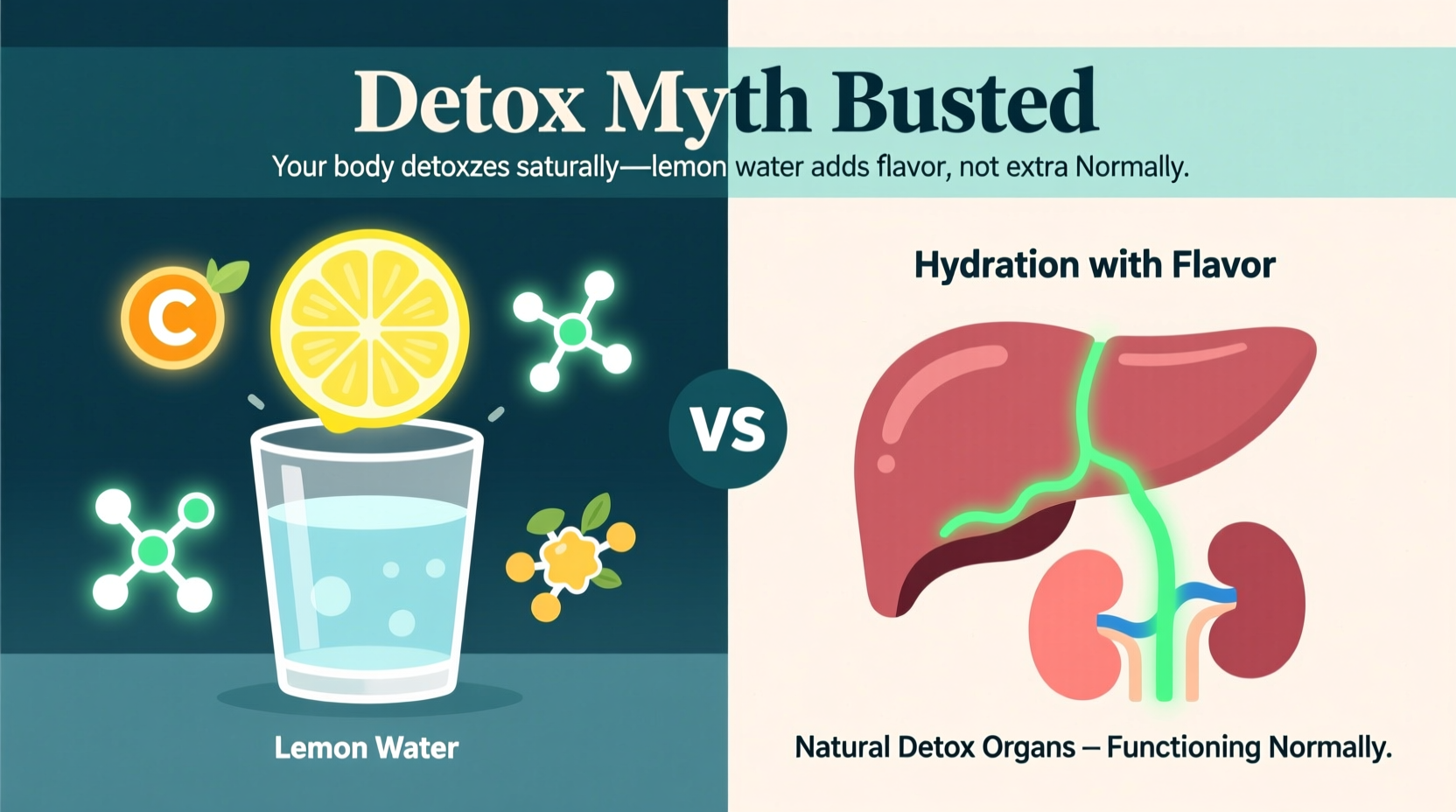
The word “detox” carries powerful emotional weight. It implies purification, renewal, and a reset button for the body. Unfortunately, this term is often misused in marketing and lifestyle content. True detoxification happens continuously through biological processes, not via short-term juice cleanses or citrus-infused water.
Lemon water does not remove toxins more effectively than plain water. The liver metabolizes toxins using enzymes like cytochrome P450, while the kidneys filter waste into urine. These organs don’t require lemon to function—they need consistent hydration, adequate nutrients, and time to rest. Adding lemon may make water more palatable, which encourages greater fluid intake, but the lemon itself doesn’t enhance detox pathways.
“Your liver doesn’t need lemon water to detox. It’s been doing its job for millennia without Instagram trends.” — Dr. Lena Patel, Internal Medicine Specialist
In fact, many so-called “detox” products exploit gaps in public understanding of physiology. A 2015 review published in Journal of Human Nutrition and Dietetics found no scientific evidence supporting commercial detox diets for toxin elimination. The perceived benefits—increased energy, clearer skin, improved digestion—are more likely due to replacing processed foods and sugary drinks with whole foods and water.
What Lemon Water Actually Does (And Doesn’t Do)
Let’s clarify what lemon water contributes—and what it doesn’t.
What it does:
- Improves hydration by making water more appealing
- Provides small amounts of vitamin C and antioxidants
- May support kidney stone prevention due to citrate content
- Offers mild digestive stimulation for some individuals
What it doesn’t do:
- “Cleanse” the liver or colon
- Burn fat or accelerate weight loss
- Alkalize the body (your blood pH is tightly regulated)
- Neutralize environmental toxins
Vitamin C in lemon juice supports immune function and collagen synthesis, but one lemon provides only about 18–25 mg—far below the 75–90 mg daily recommendation. It’s beneficial, but not transformative. Similarly, citric acid in lemons converts to citrate in the body, which can help prevent calcium oxalate kidney stones. This is a legitimate medical benefit, though relevant mainly to those with a history of stone formation.
Hydration: The Real Superpower
The most significant benefit of lemon water is simply that it helps people drink more fluids. Dehydration affects cognitive performance, mood, physical endurance, and digestion. Even mild dehydration (a 1–2% loss of body weight in fluids) can impair concentration and increase fatigue.
For many, plain water tastes boring. Adding lemon introduces a bright, refreshing flavor without sugar or artificial ingredients. This small change can lead to meaningful increases in daily water intake. Over time, consistent hydration supports every system in the body—from regulating temperature to transporting nutrients and removing waste.
A study from the European Journal of Clinical Nutrition found that flavoring water with citrus significantly increased consumption among adults who previously struggled to meet fluid needs. The effect was especially pronounced in older adults and those with low baseline intake.
| Hydration Option | Average Daily Intake Increase | Key Drawbacks |
|---|---|---|
| Plain Water | Baseline | Low adherence in some populations |
| Lemon Water (unsweetened) | +300–500 mL/day | Acidic; may erode enamel over time |
| Sugary Drinks (e.g., soda, juice) | +400–600 mL/day | High in calories, linked to metabolic issues |
| Herbal Infusions (non-caffeinated) | +200–400 mL/day | Variable taste preferences |
This data shows that while lemon water isn’t uniquely effective, it serves as a practical tool for improving hydration habits—without the downsides of sweetened alternatives.
Practical Guide: How to Drink Lemon Water the Right Way
If you enjoy lemon water, there’s no reason to stop—but optimizing how and when you consume it can maximize benefits and minimize risks.
- Use fresh lemon juice, not bottled. Freshly squeezed lemon contains more vitamin C and fewer preservatives.
- Dilute properly. One wedge or ½ tablespoon of juice per 8 oz of water is sufficient. High acidity can damage tooth enamel over time.
- Drink it through a straw. This reduces contact with teeth and lowers erosion risk.
- Rinse your mouth afterward. Swish with plain water after drinking to neutralize acid on teeth.
- Don’t brush immediately after. Wait at least 30 minutes before brushing to avoid scrubbing softened enamel.
- Time it right. Morning consumption may support hydration after overnight fasting, but it can be consumed anytime.
- Listen to your body. If lemon water causes heartburn or stomach discomfort, reduce frequency or dilute further.
Real Example: Sarah’s Morning Routine Shift
Sarah, a 34-year-old project manager, started drinking lemon water every morning after seeing it promoted online. She believed it would “reset her system” and help with bloating. Initially, she felt more energetic and noticed her skin looked clearer within two weeks.
But when she tracked her habits, she realized the real changes weren’t from the lemon. She had replaced her usual breakfast soda with the lemon water, started eating more vegetables, and cut back on late-night snacks. Her hydration improved dramatically—she went from drinking about 3 cups of water daily to nearly 8.
When she paused the lemon water for a week and drank plain water instead, she maintained the same energy levels and digestion. The difference wasn’t the lemon—it was the shift away from sugary drinks and chronic dehydration.
Sarah now enjoys lemon water occasionally, but she no longer sees it as a detox tool. Instead, she views it as a ritual that helped her build healthier patterns—one glass at a time.
Expert Insight: What Medical Professionals Say
Nutritionists and physicians agree that lemon water is harmless for most people when consumed in moderation—but they caution against inflated expectations.
“People come into my clinic thinking lemon water is cleansing their liver. What’s actually helping is that they’ve stopped drinking soda and are finally hydrating. That’s the win—not the lemon.” — Dr. Marcus Tran, Registered Dietitian and Gastroenterology Consultant
Dr. Tran emphasizes that the placebo effect is real and shouldn’t be dismissed. If starting the day with lemon water makes someone feel more focused or motivated to eat well, that’s valuable. But it’s important to attribute benefits accurately. Misinformation can lead people to delay medical care, believing a home remedy will fix serious conditions.
Additionally, excessive lemon intake can cause problems. Chronic exposure to citric acid increases the risk of dental erosion. One case study published in General Dentistry documented a woman who lost 50% of her tooth enamel after drinking lemon water hourly for several years.
Checklist: Smart Lemon Water Habits
Before making lemon water a daily habit, consider this checklist to stay safe and effective:
- ☑ Use moderate amounts of lemon—no more than 1–2 tablespoons per day
- ☑ Always dilute in at least 8 oz of water
- ☑ Avoid swishing or holding the liquid in your mouth
- ☑ Rinse with plain water after drinking
- ☑ Wait 30 minutes before brushing teeth
- ☑ Monitor for acid reflux or stomach irritation
- ☑ Pair with a balanced diet—not as a substitute for one
Frequently Asked Questions
Can lemon water alkalize my body and improve health?
No. While lemon juice is acidic (pH ~2), it produces alkaline byproducts after metabolism. However, this doesn’t change your blood pH, which is tightly regulated between 7.35 and 7.45. Your body maintains this balance regardless of diet. Claims about “alkalizing” the body for health are not supported by physiology.
Is warm lemon water better than cold?
Temperature doesn’t significantly alter the benefits. Warm water may feel soothing and aid digestion for some people, especially in the morning. Cold lemon water is equally hydrating. Choose based on preference, not perceived health superiority.
Can I drink lemon water if I have acid reflux?
Proceed with caution. Citrus can trigger or worsen heartburn in people with GERD or sensitive stomachs. If you experience discomfort, switch to non-citrus infusions like cucumber, mint, or ginger.
Conclusion: Hydration with Flavor, Not a Miracle Cure
Lemon water doesn’t detox your body any more than plain water does. Your liver and kidneys don’t need a splash of citrus to perform their jobs—they need consistency, rest, and basic support through nutrition and hydration. What lemon water offers is a simple, low-cost way to make drinking water more enjoyable, which in turn promotes better fluid intake.
The ritual of preparing lemon water each morning can anchor a broader set of healthy habits: waking up earlier, avoiding sugary drinks, tuning into bodily signals. In that sense, its value isn’t biochemical—it’s behavioral. It’s a gateway, not a destination.
So yes, you can keep drinking lemon water. Just do it for the right reasons: because you like the taste, because it helps you stay hydrated, and because it fits into a routine that supports your well-being. Don’t expect it to purge toxins or transform your health overnight. Instead, appreciate it as a small, sustainable step toward better daily choices.




 浙公网安备
33010002000092号
浙公网安备
33010002000092号 浙B2-20120091-4
Comments
No comments yet. Why don't you start the discussion?