
Dry shampoo has become a staple in modern haircare routines—especially for those juggling busy schedules, post-workout freshness, or second-day style preservation. Marketed as a quick fix for greasy roots, it promises volume, odor control, and extended time between washes. But with increasing frequency of use, concerns have emerged: Can regularly using dry shampoo harm your scalp? Is it truly safe to rely on this product week after week?
The answer isn’t black and white. While dry shampoo can be a convenient ally when used correctly, overuse or improper application may lead to buildup, irritation, or even long-term scalp issues. Understanding how dry shampoo works—and how your scalp responds to its ingredients—is key to making informed decisions about its role in your routine.
How Dry Shampoo Works: The Science Behind the Spray
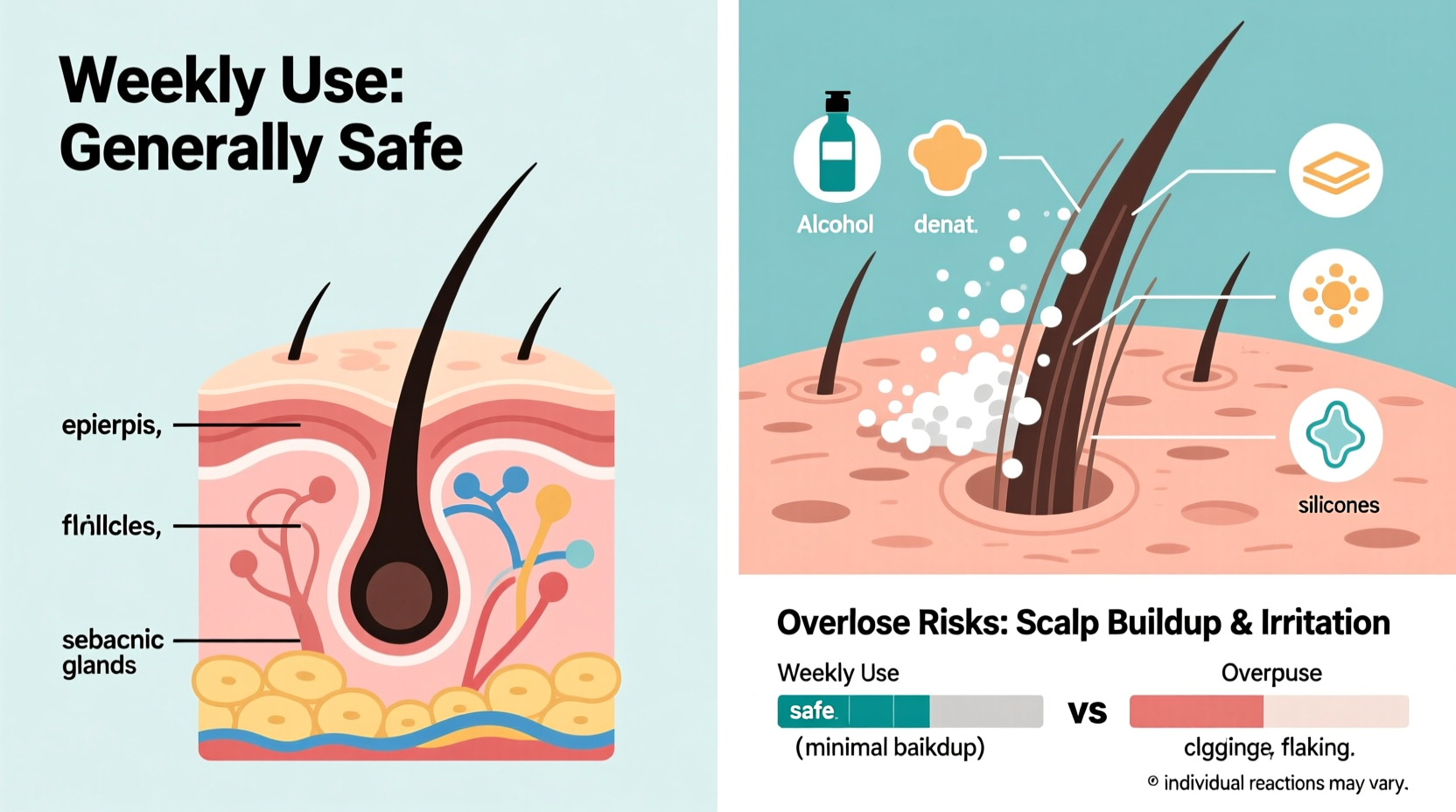
Dry shampoo doesn't clean hair in the traditional sense. Instead, it absorbs excess sebum (natural oils) from the scalp using absorbent ingredients like starch, silica, or alcohol-based compounds. These components bind to oil and dirt at the root level, creating the illusion of freshly washed hair without water.
Most aerosol formulas contain propellants that disperse fine particles onto the scalp. Once applied, users typically massage the product into their roots, allowing it to soak up grease before brushing it out. Some newer non-aerosol versions come in powder or foam forms, offering more targeted application and reduced inhalation risk.
The immediate results are often impressive: flat, oily hair regains lift and texture within minutes. However, what happens beneath the surface matters just as much as the cosmetic effect.
“Dry shampoo is a temporary solution, not a substitute for cleansing. Over time, residue accumulation can disrupt the scalp’s microbiome.” — Dr. Lena Torres, Board-Certified Dermatologist
Risks of Frequent Use: When Convenience Turns Harmful
Used occasionally—say, once every few days—dry shampoo poses minimal risk for most people. But when applied daily or multiple times per week without proper cleansing, several problems can arise:
- Scalp Buildup: Ingredients like waxes, silicones, and polymers can accumulate on the scalp if not fully removed. This creates a barrier that prevents natural exfoliation and may clog hair follicles.
- Folliculitis: Trapped debris and bacteria can inflame hair follicles, leading to small red bumps, itching, or even infection in severe cases.
- Dandruff Flare-Ups: A compromised scalp environment can worsen flaking, especially in individuals prone to seborrheic dermatitis.
- Hair Thinning: Chronic inflammation and blocked follicles may contribute to weakened hair growth over time, though direct causation remains under study.
- Inhalation Concerns: Aerosol sprays release fine particles that can be inhaled. Repeated exposure to certain propellants or talc-containing formulas may pose respiratory risks, particularly in enclosed spaces.
Safe Weekly Use: Best Practices for Scalp Health
That said, dry shampoo isn’t inherently dangerous. Like any cosmetic product, its impact depends on usage patterns, formulation quality, and individual scalp sensitivity. For those who use it weekly, adopting smart habits can mitigate potential downsides.
Choose the Right Formula
Not all dry shampoos are created equal. Look for products labeled “scalp-safe,” “non-comedogenic,” or “free of heavy silicones.” Avoid those containing:
- Talc (linked to lung irritation and contamination concerns)
- High concentrations of alcohol (can dry out scalp and hair)
- Synthetic fragrances (may trigger allergic reactions)
Opt instead for plant-based alternatives with rice starch, oat flour, or kaolin clay—gentler absorbers that break down more easily during washing.
Limited Application Zones
Apply dry shampoo only where needed—typically the crown and part line—rather than saturating the entire scalp. Focus on roots, not lengths, and avoid layering multiple applications throughout the day.
Follow Up with Regular Cleansing
Your scalp still needs deep cleaning. Even with weekly dry shampoo use, aim to wash your hair with a gentle shampoo at least once every 5–7 days. This clears accumulated residue and maintains a balanced pH.
Brush Thoroughly After Use
After spraying, spend 1–2 minutes massaging and brushing your hair to distribute the product evenly and remove excess powder. This reduces visible chalkiness and minimizes leftover particulates.
| Do’s | Don’ts |
|---|---|
| Use dry shampoo no more than 2–3 times per week | Replace regular shampoo entirely with dry versions |
| Choose fragrance-free, low-residue formulas | Apply near open flame (some are flammable) |
| Wash hair weekly to clear buildup | Sleep with dry shampoo residue in hair |
| Store in cool, dry place away from heat | Use expired products (check date on can) |
Real-World Example: A Case Study in Overuse
Sarah, a 29-year-old marketing professional, began using dry shampoo four times a week to stretch her curly hairstyle across workdays. She skipped regular washing for nearly two weeks, relying solely on touch-ups. Within a month, she noticed persistent itching, flaking, and a dull film along her hairline.
After visiting a dermatologist, she was diagnosed with mild folliculitis and advised to discontinue dry shampoo use temporarily. A clarifying shampoo regimen cleared the buildup, and her symptoms resolved within three weeks. Her doctor recommended limiting dry shampoo to twice weekly and never exceeding two consecutive days of use without washing.
Sarah now uses a cornstarch-based powder formula sparingly and always follows up with a sulfate-free shampoo by day three. Her scalp health has improved significantly, and she reports better volume and less oil production overall.
Expert Recommendations: What Dermatologists Advise
Board-certified dermatologists agree: dry shampoo can fit into a healthy haircare routine—but only as a supplement, not a replacement.
“For patients with oily scalps or fine hair, I recommend dry shampoo as a bridge between washes. But skipping shampoo for more than five days increases the risk of microbial imbalance and inflammation.” — Dr. Arjun Patel, Hair & Scalp Specialist
Experts also emphasize ingredient literacy. Many commercial brands include denatured alcohol, which provides quick drying but can compromise the scalp’s moisture barrier over time. Others contain undisclosed fillers that don’t dissolve easily, contributing to long-term residue.
For sensitive or acne-prone scalps, dermatologists often suggest patch testing new formulas behind the ear before full application. They also warn against sharing cans—especially among family members—as this can transfer bacteria and fungi.
Step-by-Step Guide to Responsible Dry Shampoo Use
To enjoy the benefits of dry shampoo while protecting your scalp, follow this practical timeline:
- Day 1: Wash hair with a gentle shampoo. Condition only the ends. Pat dry and style as usual.
- Day 2: Apply dry shampoo to oily areas only. Hold 6–8 inches from scalp, spray in 2-second bursts, then massage in with fingertips. Brush thoroughly.
- Day 3: Reapply lightly if needed, focusing on fresh spots. Avoid layering over previous applications.
- Day 4: Skip dry shampoo. Let hair breathe. Consider wearing a loose braid or updo to manage oiliness.
- Day 5: Perform a full wash with a clarifying or balancing shampoo to remove buildup.
- Ongoing: Repeat cycle. Monitor scalp for signs of irritation. Replace product every 12 months or if nozzle becomes clogged.
FAQ: Common Questions About Dry Shampoo Safety
Can dry shampoo cause hair loss?
Not directly. However, chronic scalp inflammation due to buildup can weaken hair follicles over time, potentially contributing to shedding. This is reversible with proper cleansing and reduced product use.
Is dry shampoo safe for color-treated hair?
Yes, but choose formulas labeled “color-safe.” Some powders contain UV filters or antioxidants that help preserve dye integrity. Avoid tinted versions unless matched to your shade, as they may stain light-colored hair.
Can I use dry shampoo on children?
Generally not recommended for children under 12. Their scalps are more sensitive, and inhalation risks are higher. Encourage regular washing instead of relying on quick fixes.
Checklist: Healthy Dry Shampoo Habits
- ☐ Limit use to 2–3 times per week max
- ☐ Choose talc-free, low-alcohol formulas
- ☐ Wash hair at least once every 5–7 days
- ☐ Brush thoroughly after each application
- ☐ Store away from heat and direct sunlight
- ☐ Check expiration dates before use
- ☐ Discontinue use if irritation occurs
- ☐ Patch test new products first
Conclusion: Balancing Convenience with Care
Dry shampoo isn’t inherently damaging—but treating it like a permanent substitute for washing is. When used responsibly, it's a valuable tool for managing oil, refreshing style, and saving time. The key lies in moderation, mindful selection, and consistent follow-up cleansing.
Your scalp is living skin, not just an extension of your hairstyle. It deserves the same attention to hygiene and ingredient safety as your face or body. By respecting its needs and listening to early warning signs like itchiness or flaking, you can enjoy the convenience of dry shampoo without compromising long-term health.




 浙公网安备
33010002000092号
浙公网安备
33010002000092号 浙B2-20120091-4
Comments
No comments yet. Why don't you start the discussion?