
Dry shampoo has become a staple in modern hair care routines, especially for those trying to maintain a freshly styled blowout between washes. Marketed as a quick fix for greasy roots and flat strands, it promises convenience and extended style life. But how effective is it at preserving a blowout? And more importantly, can frequent use harm your scalp? The answer isn’t black and white—while dry shampoo can genuinely prolong the life of a professional-style blowout, improper or excessive use may lead to buildup, irritation, and even hair thinning over time.
This article examines both sides of the dry shampoo debate: its practical benefits in maintaining volume and texture, and the potential risks associated with prolonged application. We’ll explore dermatologist insights, ingredient analysis, real-world user experiences, and best practices for safe, effective use.
How Dry Shampoo Works to Extend a Blowout
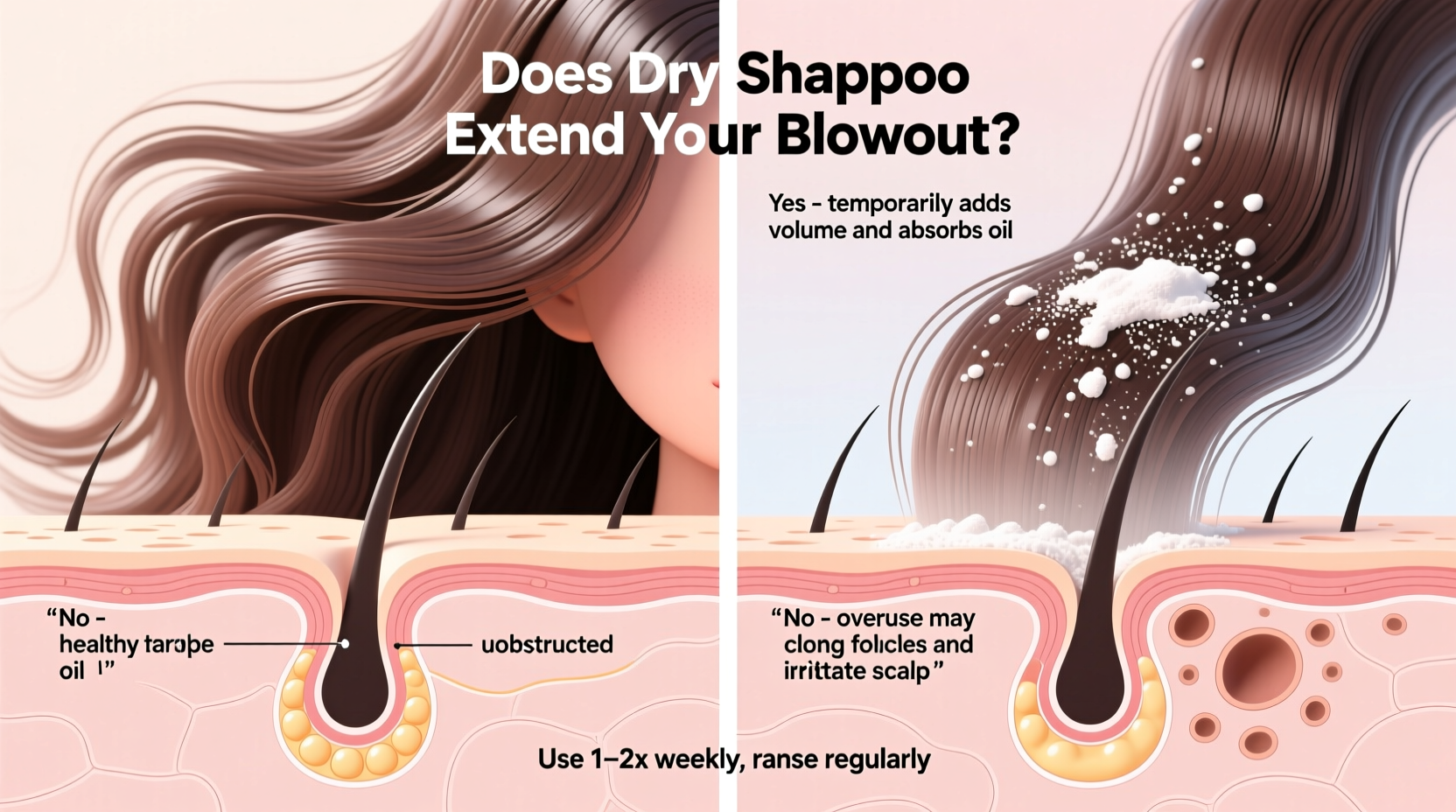
Dry shampoo is designed to absorb excess sebum—the natural oil produced by the scalp—without water. Most formulas contain starch-based or alcohol-driven ingredients like rice starch, silica, or butane/propane propellants that bind to oils on the hair shaft and at the roots. When sprayed and massaged into the scalp, these compounds lift residue from the skin and hair, giving the appearance of freshly washed, voluminous locks.
In the context of a blowout, which typically involves smoothing, straightening, and adding body through heat styling, dry shampoo helps maintain two key elements: volume and texture. As days pass after a blowout, gravity and oil accumulation cause hair to flatten, particularly at the roots. By absorbing oil before it weighs down strands, dry shampoo preserves lift and bounce—often extending the visual freshness of a blowout by one to three additional days.
The effectiveness varies depending on hair type. Fine, straight hair tends to show oil faster and benefits most from dry shampoo’s texturizing effect. Curly or coily textures may not require daily root cleansing but can still use targeted applications at the crown to refresh styles without disrupting curl patterns.
Potential Scalp Risks of Frequent Dry Shampoo Use
While dry shampoo offers short-term cosmetic advantages, regular use raises concerns about long-term scalp health. Unlike traditional shampoos that rinse away impurities, dry shampoos leave behind residue—some of which can accumulate over time. This buildup may clog hair follicles, disrupt the scalp’s microbiome, and trigger inflammatory responses.
A 2022 study published in the *Journal of Cosmetic Dermatology* found that participants who used aerosol-based dry shampoos more than three times per week were significantly more likely to report symptoms like itching, flaking, and tenderness compared to infrequent users. In some cases, chronic use was linked to folliculitis—an inflammation of the hair follicles often mistaken for dandruff or acne.
“Dry shampoo is a temporary solution, not a replacement for proper cleansing. Overuse can suffocate the scalp and impair normal shedding cycles.” — Dr. Lena Patel, Board-Certified Dermatologist
Additionally, certain ingredients raise red flags. Talc, once common in dry shampoos, has been scrutinized due to contamination risks with asbestos, leading major brands to reformulate. However, alternatives like butane, propane, and isobutane—common propellants in spray versions—are petroleum derivatives that may irritate sensitive scalps. Some non-aerosol powders use high concentrations of alcohol, which can be drying and disruptive to the scalp’s pH balance.
Do’s and Don’ts of Dry Shampoo Application
To maximize benefits while minimizing harm, consider the following guidelines when using dry shampoo:
| Do’s | Don’ts |
|---|---|
| Apply only to oily areas (usually crown and part lines) | Don’t spray excessively across the entire scalp |
| Massage thoroughly to distribute product and avoid white cast | Don’t skip washing your hair for more than 4–5 days |
| Use every other day rather than daily | Don’t apply directly onto irritated or broken skin |
| Choose talc-free, sulfate-free, and low-alcohol formulas | Don’t inhale propellants; spray in well-ventilated areas |
| Follow up with a clarifying shampoo weekly | Don’t rely solely on dry shampoo during workouts or heavy sweating |
Proper technique matters. Hold the can 8–10 inches from the scalp, focus on 2–3 second bursts per section, and always brush or massage afterward. Leaving residue unblended increases the risk of buildup and visible flakes.
Real-World Case: Maintaining a Weekend Blowout During a Workweek
Samantha, a marketing executive in Chicago, gets her hair professionally blown out every Friday evening to prepare for client meetings. She aims to stretch the style through Thursday without washing—a five-day challenge.
Initially, she applied dry shampoo daily after work, spraying liberally at the roots. By Wednesday, her scalp felt tight and itchy. On Thursday, small bumps appeared along her hairline. Concerned, she consulted a trichologist, who diagnosed early-stage contact dermatitis caused by product accumulation.
After switching to a plant-based, aerosol-free powder and limiting use to Tuesday and Thursday nights, Samantha noticed improvement within a week. Her blowout still lasted four days, but now her scalp remained comfortable. She also introduced a weekly charcoal-infused clarifying treatment, which removed stubborn residue.
This case illustrates that while dry shampoo can extend a blowout, success depends on moderation, formulation, and complementary cleansing habits.
Step-by-Step Guide to Safe Dry Shampoo Use
If you're relying on dry shampoo to preserve a blowout, follow this evidence-backed routine to protect your scalp:
- Assess Need Before Use: Only apply when roots feel oily or lack volume. Avoid using it preventively on clean hair.
- Section Hair Strategically: Part hair into quadrants to target oily zones precisely, usually the center part and temples.
- Spray Sparingly: Use short bursts (1–2 seconds) 6–8 inches from the scalp. Focus on roots, not mid-lengths.
- Wait and Absorb: Let the product sit for 2–5 minutes to absorb oil before moving to the next section.
- Massage Thoroughly: Use fingertips to work the formula into the scalp, breaking up any powder clumps.
- Brush Out Completely: Use a boar bristle brush to remove residue and restore shine.
- Wash Regularly: Never go more than five days without a full shampoo. Use a clarifying formula weekly if using dry shampoo frequently.
This method ensures optimal performance while reducing the likelihood of irritation or follicle blockage.
Choosing the Right Formula for Your Hair and Scalp Type
Not all dry shampoos are created equal. Selecting the right one depends on your specific needs:
- Oily Scalp: Look for mattifying ingredients like kaolin clay or charcoal. Avoid heavy silicones.
- Dry or Sensitive Scalp: Opt for hydrating additives such as aloe vera or oat extract. Skip alcohol-heavy sprays.
- Dark Hair: Choose tinted versions to prevent white residue. Brands like Batiste and Amika offer brunette-specific formulas.
- Fine Hair: Lightweight mists with rice starch provide volume without weighing hair down.
- Curly or Textured Hair: Non-aerosol powders allow for precise application without disturbing curls.
Experts increasingly recommend non-aerosol options—such as sprinkle-on powders or foam dispensers—as they minimize inhalation risks and reduce environmental impact from propellants.
FAQ: Common Questions About Dry Shampoo and Blowouts
Can dry shampoo completely replace washing my hair?
No. Dry shampoo absorbs oil temporarily but does not remove dirt, sweat, pollutants, or dead skin cells. It should complement—not replace—regular shampooing. Going too long without washing can lead to clogged follicles and odor.
Does dry shampoo cause hair loss?
Not directly. However, long-term buildup can restrict hair growth by blocking follicles or causing inflammation. In severe cases, this may contribute to temporary thinning or traction alopecia if combined with tight hairstyles.
Is it safe to use dry shampoo every day?
Daily use is not recommended. Limit application to every other day and always follow with a thorough wash at least twice a week. Continuous exposure to propellants and starches increases the risk of scalp sensitivity.
Expert Insight: What Dermatologists Recommend
Board-certified dermatologists emphasize balance. “Think of dry shampoo like fast food,” says Dr. Rajiv Khanna, a hair loss specialist based in Los Angeles. “Occasional use is fine, but a diet built around it leads to problems.”
“The scalp is living tissue—it needs to breathe and renew. If you wouldn’t skip brushing your teeth for days, don’t treat your scalp the same way.” — Dr. Rajiv Khanna, Hair Health Specialist
He advises patients to monitor their scalp condition closely. Signs like persistent itchiness, redness, or tiny pimples near the hairline should prompt a break from dry shampoo and a visit to a professional.
Conclusion: Balancing Convenience With Scalp Health
Dry shampoo does extend the life of a blowout—there’s no denying its ability to revive flat, oily roots with minimal effort. For busy individuals, travelers, or anyone looking to reduce heat exposure, it serves as a valuable tool in hair maintenance. But convenience comes with caveats. Without mindful usage, the very product meant to enhance your look could compromise scalp integrity and undermine long-term hair health.
The key lies in moderation, proper technique, and informed product selection. Use dry shampoo strategically, not habitually. Pair it with regular cleansing, and listen to your scalp’s signals. When used responsibly, dry shampoo can be part of a healthy hair regimen—one that keeps your blowout looking fresh without sacrificing wellness.




 浙公网安备
33010002000092号
浙公网安备
33010002000092号 浙B2-20120091-4
Comments
No comments yet. Why don't you start the discussion?