
Facial steaming has long been a staple in spa treatments and at-home skincare routines. Advocates claim it clears congestion, improves circulation, and preps the skin for better product absorption. But does it actually \"open\" pores? And is it truly beneficial to do before applying serums, masks, or moisturizers? With so much conflicting advice online, it's time to separate myth from science and determine whether facial steaming deserves a permanent spot in your regimen.
Pores don’t have muscles—they can’t physically open or close like doors. However, heat and moisture from steam can soften sebum and loosen debris trapped within them, creating the illusion of “opening.” This subtle but important distinction shapes how we should approach steaming: not as a pore-rearranging miracle, but as a preparatory tool to enhance cleansing and treatment efficacy.
The Science Behind Pores and Steam
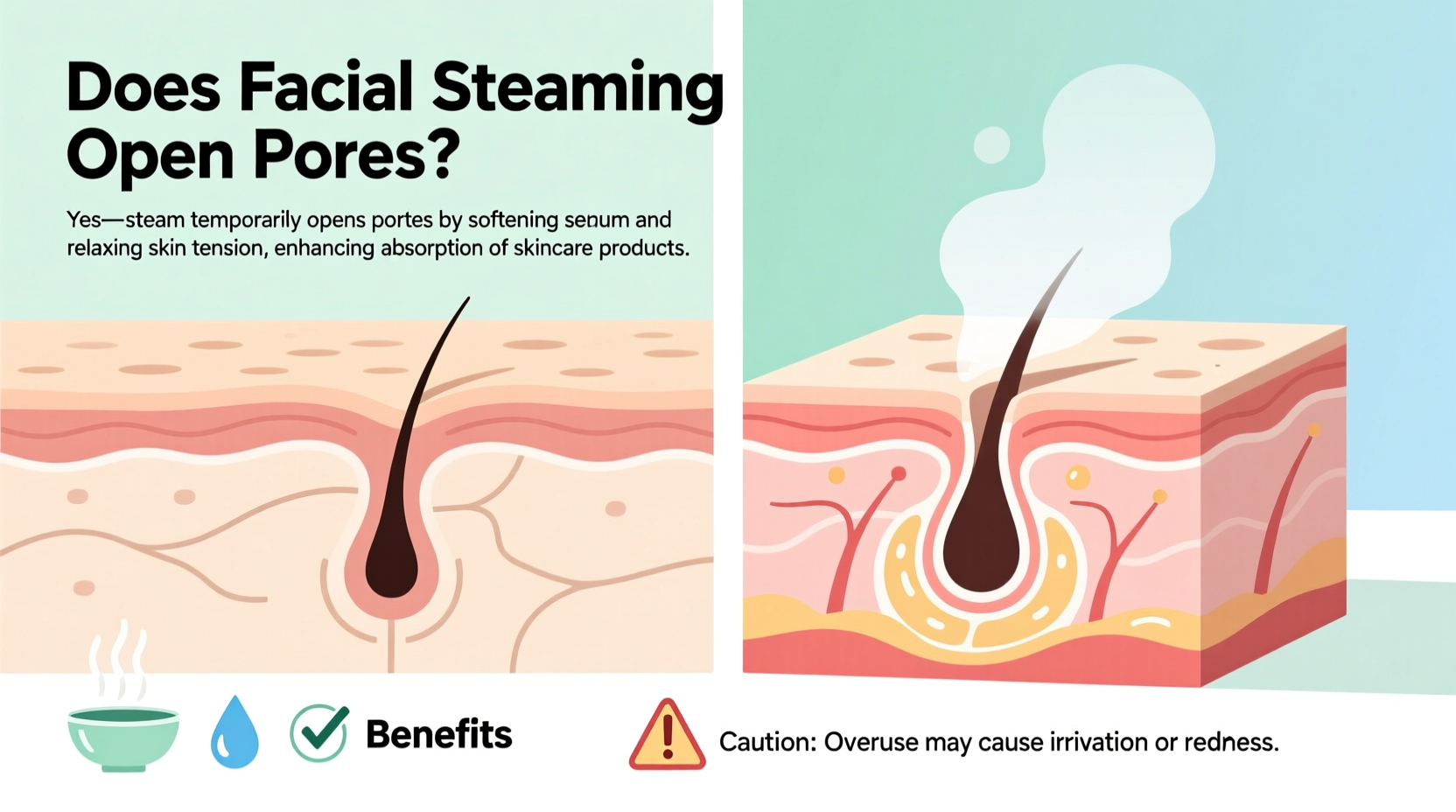
Sebaceous glands line hair follicles and produce sebum, an oily substance that keeps skin lubricated. When excess oil, dead skin cells, and environmental pollutants accumulate, they can clog pores—leading to blackheads, whiteheads, and acne. While pores themselves are static in size, external factors like temperature and hydration influence their appearance.
When warm, moist air hits the skin, it increases blood flow and raises surface temperature. This causes mild vasodilation (expansion of capillaries), which gives the face a flushed, rosy glow. More importantly, the heat softens hardened sebum inside pores, making it easier to extract impurities during cleansing or extractions.
“Steam doesn’t open pores because pores don’t have sphincters. But it does help loosen debris and improve the penetration of topical products applied afterward.” — Dr. Lena Patel, Board-Certified Dermatologist
This means while the idea of “opening pores” is a misnomer, the functional benefit of steaming remains valid—especially when timed correctly within a skincare routine.
Benefits of Facial Steaming Before Skincare
Used appropriately, facial steaming offers several advantages:
- Enhanced Cleansing: Softened sebum allows cleansers to penetrate deeper and remove more dirt and oil.
- Better Product Absorption: Hydrated, warm skin absorbs serums and active ingredients more effectively than cold, dry skin.
- Improved Circulation: Increased blood flow delivers oxygen and nutrients to skin cells, promoting a healthier complexion.
- Loosens Blackheads: Gentle heat helps break down keratin plugs in comedones, reducing the need for aggressive extraction methods.
- Prepares Skin for Treatments: Ideal before clay masks, chemical exfoliants, or professional facials for maximum effectiveness.
These benefits are most pronounced for individuals with congested, oily, or acne-prone skin. Those with dry or sensitive types may find steam too dehydrating if overused.
How to Steam Your Face Correctly: A Step-by-Step Guide
Improper technique can lead to irritation, redness, or even burns. Follow this safe, effective method:
- Cleanse First: Remove makeup and surface grime with a gentle cleanser to prevent pushing dirt deeper into pores.
- Boil Water: Heat filtered water until steaming. Let it cool slightly for 30–60 seconds to avoid scalding.
- Add Optional Boosters (Optional): Drop in 1–2 drops of essential oil like tea tree (antibacterial) or chamomile (soothing). Avoid citrus oils—they increase photosensitivity.
- Position Safely: Pour water into a wide bowl. Sit comfortably and drape a towel over your head and the bowl to trap steam.
- Steam for 5–10 Minutes: Keep your face 8–12 inches above the water. Close your eyes and breathe deeply.
- Follow with Treatment: Immediately apply a mask, toner, or serum while skin is still warm and receptive.
- Moisturize: Seal everything in with a nourishing moisturizer to prevent transepidermal water loss.
Avoid steaming if you have active rosacea flare-ups, broken capillaries, or sunburned skin. The heat can worsen inflammation and cause persistent redness.
Common Myths About Facial Steaming Debunked
Misinformation about pores and steam persists despite advances in dermatology. Here’s what’s true—and what’s not:
| Myth | Reality |
|---|---|
| Facial steam opens pores. | Pores lack muscles and cannot open or close. Steam loosens debris and softens oil, improving cleanability. |
| Steaming daily clears acne. | Over-steaming strips natural oils, triggering rebound oil production. 1–2 times per week is sufficient. |
| Cold water closes pores after steam. | Cold water causes temporary tightening due to vasoconstriction, but pore size remains unchanged. |
| Everyone benefits from facial steaming. | Those with rosacea, eczema, or sensitive skin may experience irritation. Patch test first. |
| Longer steaming = deeper cleaning. | More than 10 minutes risks dehydration and barrier damage. Less is more. |
Who Should (and Shouldn't) Steam Their Face?
Facial steaming isn’t one-size-fits-all. Consider your skin type and condition before incorporating it:
- Oily/Combination Skin: Ideal candidates. Steam helps manage sebum buildup and prevents clogged pores.
- Acne-Prone Skin: Beneficial when paired with salicylic acid treatments post-steam. Avoid if cystic acne is inflamed.
- Dry Skin: Use sparingly (once every 10–14 days). Always follow with a rich moisturizer or facial oil.
- Sensitive/Rosacea-Prone Skin: High risk of flushing and irritation. Skip or use very mild steam (lower heat, shorter duration).
- Mature Skin: Can benefit from improved circulation and product penetration, especially when using anti-aging serums.
“I advise my patients with mild congestion to try weekly steaming before exfoliation. It makes a noticeable difference in clarity—but only when done gently.” — Dr. Amira Chen, Clinical Dermatologist
Real Example: How Steaming Transformed One Woman’s Skincare Routine
Sophia, 29, struggled with recurring blackheads along her nose and chin. Despite using charcoal masks and pore strips, results were short-lived. After consulting a licensed esthetician, she learned her cleansing routine lacked proper prep.
She began steaming her face for 7 minutes once a week before applying a BHA toner and clay mask. Within three weeks, she noticed fewer clogged pores and smoother texture. “I used to scrub aggressively,” she said. “Now I let the steam do the work, and my skin looks clearer without irritation.”
Her success wasn’t due to magic—it came from understanding timing and synergy in skincare. Steam softened the debris; the BHA dissolved it; the mask drew it out. Each step built on the last.
Do’s and Don’ts of Facial Steaming
To maximize benefits and minimize risks, follow this checklist:
- ✅ Do cleanse before steaming
- ✅ Do limit sessions to 5–10 minutes
- ✅ Do use distilled or boiled water
- ✅ Do follow with targeted treatments (masks, acids, serums)
- ✅ Do moisturize immediately after
- ❌ Don’t steam more than twice a week
- ❌ Don’t lean too close to boiling water
- ❌ Don’t use essential oils if pregnant or sensitive
- ❌ Don’t steam if you have active rashes or infections
- ❌ Don’t skip sunscreen the next day—especially if using actives post-steam
Alternatives to Traditional Facial Steaming
If you’re wary of heat or lack time, consider these gentler options:
- Warm Washcloth Method: Soak a clean cloth in hot (not scalding) water, wring it out, and drape over face for 2–3 minutes. Repeat 2–3 times. Safer and more controlled.
- Facial Steamers: Devices that emit a fine, cool-to-warm mist. Offer consistent hydration without excessive heat. Ideal for sensitive skin.
- Humidifiers: Running one at night adds ambient moisture, keeping pores supple and less prone to clogging.
- Hydrating Toners Pre-Treatment: Applying a hydrating essence or toner before serums mimics the priming effect of steam without heat.
While not identical to traditional steaming, these alternatives provide similar prep benefits with lower risk.
FAQ: Common Questions About Facial Steaming
Can facial steaming cause wrinkles?
No direct evidence links proper facial steaming to premature aging. However, excessive heat or prolonged exposure may weaken collagen over time. Stick to recommended durations and temperatures to avoid potential damage.
Should I wash my face after steaming?
You don’t need to rinse unless you’ve applied a product during or after. Most people cleanse *before* steaming, then proceed directly to treatment and moisturizing. Rinsing afterward can disrupt the absorption process.
Is it safe to steam if I wear contact lenses?
It’s advisable to remove contacts before steaming. Heat and humidity can dry out lenses and irritate eyes. Plus, leaning over hot water increases discomfort and risk of steam exposure to the eyes.
Conclusion: Should You Steam Before Skincare?
Facial steaming doesn’t “open” pores in the literal sense—but it does prepare the skin for deeper cleansing and enhanced product performance. When used wisely, it becomes a powerful ally in maintaining clear, radiant skin. The key lies in moderation, correct technique, and alignment with your skin type.
For those dealing with congestion or seeking better results from their serums and masks, a brief weekly steam session could be transformative. For others—especially those with sensitivity or inflammatory conditions—gentler alternatives may serve just as well.
The goal isn’t to chase trends, but to understand how each step supports your skin’s health. If steaming fits your needs, embrace it thoughtfully. If not, there’s no obligation to force it into your routine.




 浙公网安备
33010002000092号
浙公网安备
33010002000092号 浙B2-20120091-4
Comments
No comments yet. Why don't you start the discussion?