
Bread is one of the most universally consumed foods, yet it's also one of the quickest to stale or spoil. Within a day or two, a loaf that was soft and fragrant can turn dry, chewy, or even moldy. This has led many home cooks and bakers to explore preservation methods—among them, freezing. But does freezing bread actually extend its freshness, and what happens to its texture when thawed? The answer isn’t just yes or no—it depends on how you freeze it, how long it’s stored, and what type of bread you’re dealing with.
The practice of freezing bread has been embraced by households and commercial kitchens alike for decades. It's often seen as a way to reduce food waste, buy in bulk, and always have fresh bread on hand. But while freezing halts mold growth and slows staling, it doesn't stop all changes. Understanding the science behind starch retrogradation, moisture migration, and gluten structure helps explain why some frozen bread comes out nearly perfect, while others emerge tough or gummy.
The Science Behind Bread Staling and Freezing
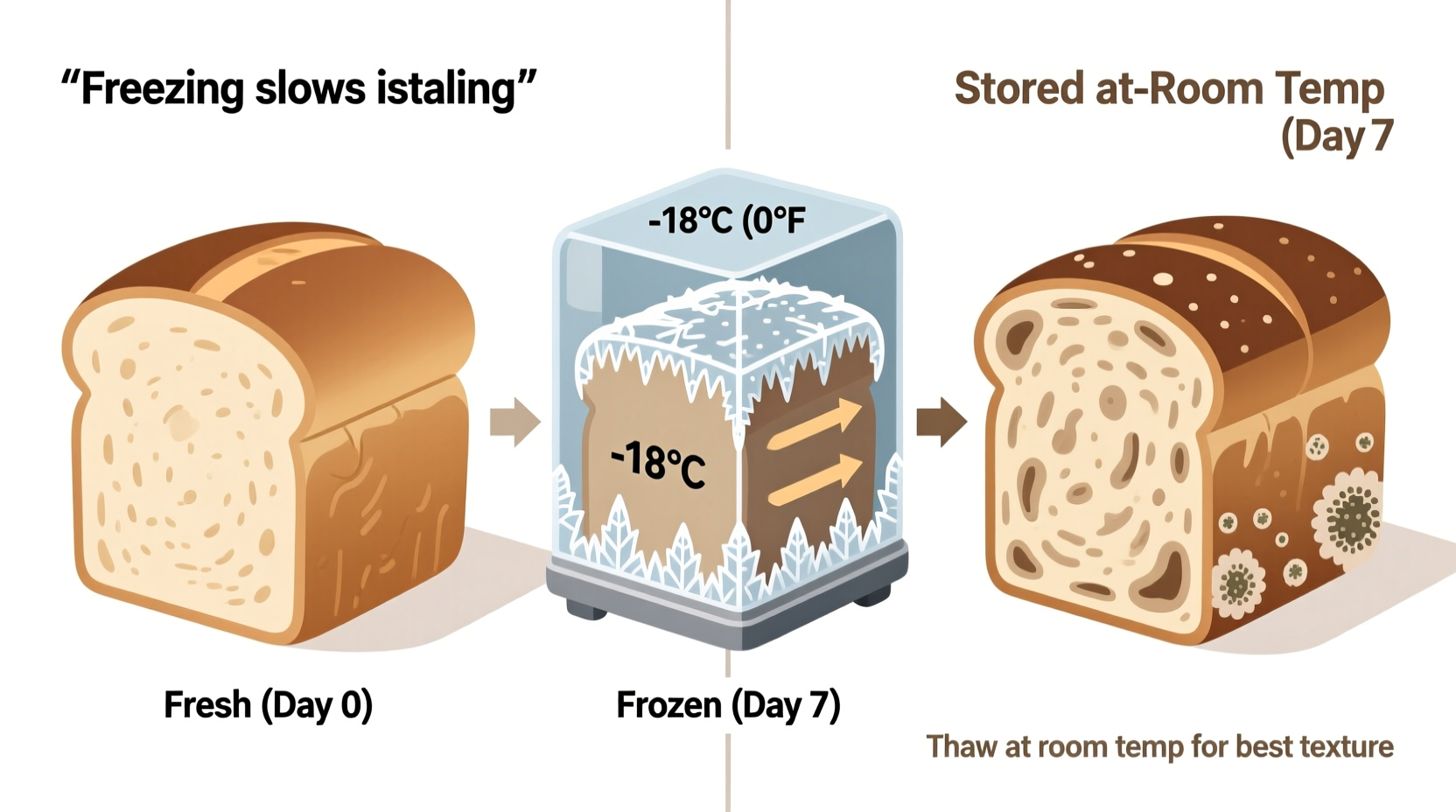
Contrary to popular belief, staling isn’t primarily caused by drying out. Instead, it’s a process called starch retrogradation, where the starch molecules in bread realign into a more crystalline structure after baking. This transformation begins almost immediately after cooling and accelerates at temperatures just above freezing—around 4°C (39°F), which is typical refrigerator temperature.
Freezing bread—at or below 0°C (32°F)—slows this process dramatically. At these low temperatures, water forms ice crystals, immobilizing the starch and preventing reorganization. This means freezing effectively pauses staling, preserving the bread’s crumb structure and moisture far better than refrigeration.
“Freezing is one of the most effective ways to preserve bread quality over time. Unlike refrigeration, which accelerates staling, freezing locks in freshness.” — Dr. Sarah Lin, Food Scientist at the Culinary Institute of America
However, freezing isn’t without consequences. Ice crystal formation can damage the gluten network if the bread freezes too slowly or undergoes repeated thaw-freeze cycles. Additionally, moisture loss during storage—especially in poorly sealed containers—can lead to freezer burn, affecting both flavor and texture.
How Freezing Affects Different Types of Bread
Not all breads respond equally to freezing. Their composition, hydration level, and additives influence how well they survive the freeze-thaw cycle.
| Bread Type | Freezes Well? | Texture After Thawing | Notes |
|---|---|---|---|
| Sliced White Sandwich Bread | Yes | Minimal change | Best results when tightly wrapped; ideal for toasting |
| Whole Grain / Multigrain | Yes | Slightly denser | Higher fiber retains moisture but may feel heavier |
| Sourdough | Good | Firm crust softens; crumb stays intact | Re-crisp crust in oven for best results |
| Brioche / Enriched Doughs | Moderate | Can become slightly greasy or soggy | High butter/egg content affects texture stability |
| Focaccia / Olive Oil-Rich Breads | Poor | Oily surface, limp texture | Oil separates during freezing; not recommended |
| Freshly Baked Artisan Loaves | Yes (if cooled & wrapped properly) | Near-original quality | Best frozen within 6 hours of baking |
Artisan loaves with high hydration and open crumb structures tend to fare surprisingly well when frozen correctly. The key lies in minimizing air exposure and avoiding slow freezing, which leads to large ice crystals that rupture cell walls in the crumb.
Step-by-Step Guide to Freezing Bread Properly
Freezing bread successfully requires more than tossing a loaf into a plastic bag. Follow this timeline and method to ensure optimal freshness and texture retention.
- Cool Completely: Allow freshly baked bread to cool fully—usually 2–3 hours—to prevent condensation inside packaging, which causes sogginess and ice buildup.
- Slice (Optional): If using slices frequently, cut the loaf before freezing. This allows you to defrost only what you need.
- Wrap Tightly: Use two layers: first, wrap the bread in plastic wrap or beeswax cloth; second, place it in a resealable freezer bag or aluminum foil. Squeeze out excess air.
- Label and Date: Mark the package with contents and date. Most bread stays fresh-tasting for up to 3 months in the freezer.
- Freeze Quickly: Place the wrapped bread in the coldest part of the freezer (usually the back) to encourage rapid freezing and small ice crystals.
- Thaw Gently: Remove from freezer and let thaw at room temperature for 1–2 hours, still wrapped, to prevent condensation on the surface.
- Refresh in Oven (Optional): For crusty breads, bake at 175°C (350°F) for 5–10 minutes to restore crispness.
Avoid microwaving frozen bread unless absolutely necessary, as it heats unevenly and can make the interior gummy while drying out the edges.
Real-World Example: A Baker’s Weekly Routine
María González runs a small sourdough bakery in Portland and sells out every weekend. To meet demand without daily baking, she prepares double batches on Fridays and freezes half.
“I used to think freezing ruined artisan bread,” she says. “But after testing different wrapping methods, I found that vacuum sealing sourdough boules right after cooling preserves their springiness. When my customers reheat them, they can’t tell the difference.”
She now freezes 60% of her output and thaws loaves overnight for Saturday sales. Her method includes chilling the loaves briefly before sealing to further reduce moisture migration. She attributes her reduced waste and consistent quality to precise freezing protocols.
This case illustrates that freezing isn’t just for mass-produced sandwich bread—it can be a professional-grade preservation tool when done with care.
Common Myths and Mistakes About Freezing Bread
- Myth: Refrigerating bread keeps it fresher than room temperature. False. As mentioned earlier, refrigeration speeds up staling due to accelerated starch retrogradation.
- Myth: Frozen bread loses all nutritional value. No significant nutrient loss occurs during proper freezing. Vitamins and fiber remain stable.
- Mistake: Leaving bread unwrapped in the freezer. This leads to freezer burn—dry, discolored patches caused by sublimation of ice—and off-flavors from absorbing odors.
- Mistake: Refreezing thawed bread. Each freeze-thaw cycle damages the crumb structure further and increases moisture loss.
- Mistake: Thawing bread in direct sunlight or hot areas. Rapid thawing promotes condensation, making the crust soggy and encouraging mold if left too long.
Checklist: How to Freeze Bread for Best Results
Use this checklist before freezing your next loaf:
- ☑ Cool bread completely before wrapping
- ☑ Slice if needed for portion control
- ☑ Wrap in plastic or parchment first
- ☑ Place in airtight freezer bag or foil
- ☑ Remove as much air as possible
- ☑ Label with type and date
- ☑ Freeze flat for easier stacking
- ☑ Thaw wrapped at room temperature
- ☑ Reheat in oven for improved texture
- ☑ Never refreeze once thawed
FAQ: Your Questions Answered
Can you freeze homemade bread?
Yes, and it often freezes better than store-bought because it lacks preservatives. Just ensure it’s cooled and wrapped tightly. Homemade bread benefits greatly from freezing within 6 hours of baking.
Does freezing kill mold on bread?
No. Freezing halts mold growth but doesn’t kill existing spores. If your bread already shows signs of mold, do not freeze or consume it—even if only one slice is affected. Mold threads penetrate deeper than visible spots.
Is it safe to eat bread frozen for 6 months?
While technically safe, quality declines after 3 months. Beyond that, expect noticeable dryness, off-flavors, or freezer burn. For best taste and texture, aim to use frozen bread within 8–12 weeks.
Conclusion: Freezing Is Smart, But Technique Matters
Freezing bread does keep it fresh longer—far longer than leaving it on the counter or storing it in the fridge. By slowing down staling and inhibiting microbial growth, freezing preserves both safety and sensory quality. However, the outcome hinges on proper technique: rapid freezing, airtight packaging, and gentle thawing.
The effect on texture varies by bread type, but with careful handling, even delicate sourdough or rustic loaves can emerge from the freezer tasting remarkably close to fresh-baked. The goal isn’t just to extend shelf life, but to maintain eating quality. When done right, freezing transforms bread from a perishable item into a reliable staple.




 浙公网安备
33010002000092号
浙公网安备
33010002000092号 浙B2-20120091-4
Comments
No comments yet. Why don't you start the discussion?