
Green tea is celebrated for its antioxidant properties, metabolism support, and calming effects. Yet, despite its many health benefits, a growing number of tea drinkers are noticing an unwanted side effect: yellowing or dulling of their teeth. The question arises — does green tea stain teeth? The answer is yes, but only under certain conditions. Unlike coffee or black tea, green tea is less aggressive on enamel, but regular consumption without proper precautions can still lead to gradual discoloration. The good news? You don’t need to give up your favorite beverage to keep your smile bright.
This article explores the science behind tooth staining from green tea, identifies key risk factors, and provides actionable steps to enjoy your daily cup without compromising your dental aesthetics. From drinking techniques to oral hygiene routines, you’ll learn how to protect your enamel while reaping all the wellness benefits green tea offers.
Why Green Tea Can Stain Teeth
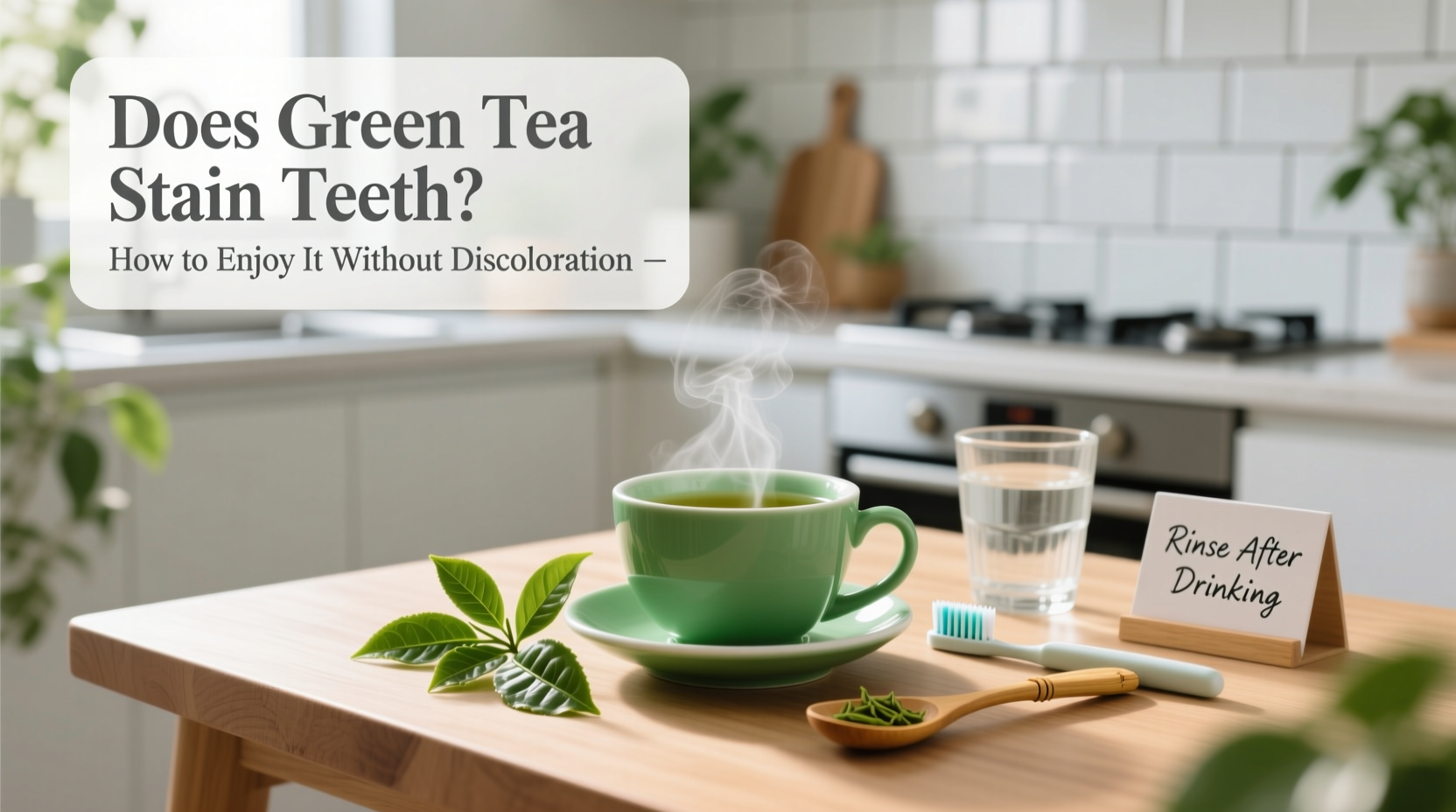
Tooth discoloration occurs when pigments from food and drink adhere to the enamel surface. Green tea contains natural compounds called polyphenols — specifically catechins and tannins — that contribute to both its health benefits and its potential to stain teeth. While tannins are present in lower concentrations than in black tea or red wine, they are still strong enough to bind with proteins in saliva and form surface deposits over time.
The staining process isn't immediate. It develops gradually due to repeated exposure, especially when green tea is consumed frequently throughout the day. Additionally, the acidity of brewed green tea (typically between pH 7–9, though this varies) can temporarily soften enamel, making it more susceptible to pigment absorption. This effect is amplified if brushing follows immediately after drinking, which can wear down weakened enamel and trap stains deeper into the tooth surface.
“Even mild staining agents like green tea can accumulate over time, particularly in individuals with thinner enamel or poor oral hygiene.” — Dr. Lena Torres, Cosmetic Dentist and Oral Health Educator
Factors That Increase Staining Risk
Not everyone who drinks green tea will experience noticeable discoloration. Several personal and behavioral factors influence how likely staining is to occur:
- Frequency of consumption: Drinking multiple cups per day increases cumulative exposure to tannins.
- Brew strength: Stronger brews contain higher concentrations of pigments and tannins.
- Temperature: Hot tea opens up microscopic pores in enamel, increasing absorption potential.
- Dietary habits: Combining green tea with sugary snacks or acidic foods worsens enamel vulnerability.
- Oral hygiene routine: Irregular brushing, skipping flossing, or not rinsing after tea elevates risk.
- Enamel condition: People with naturally thin enamel or existing erosion are more prone to staining.
How to Enjoy Green Tea Without Discoloration
Eliminating green tea from your diet isn’t necessary — nor advisable, given its well-documented benefits. Instead, adopt these evidence-based practices to enjoy your tea safely and maintain a brighter smile.
1. Use a Straw Strategically
Drinking through a straw, especially one made of silicone or metal with a wide bore, helps bypass direct contact between tea and front teeth. While this won’t eliminate internal exposure, it significantly reduces surface staining on visible areas of the enamel.
2. Rinse Your Mouth After Drinking
Swishing with water immediately after finishing your tea helps wash away residual tannins before they settle. A simple 15–20 second rinse can cut staining risk by up to 40%, according to clinical observations in preventive dentistry.
3. Wait Before Brushing
Brushing right after drinking acidic beverages can damage softened enamel. Wait at least 30 minutes before brushing to allow saliva to naturally re-mineralize the tooth surface.
4. Limit Additives That Worsen Staining
Avoid adding lemon juice or citric-rich flavorings, as they increase acidity. Also, skip sugar-heavy syrups, which feed plaque-forming bacteria and create a sticky film that traps pigments.
5. Choose High-Quality Loose-Leaf Varieties
Premium loose-leaf green teas like sencha, gyokuro, or dragon phoenix pearl often have balanced tannin profiles and cleaner finishes compared to low-grade bagged versions. They’re also less likely to contain dust and fannings that release excess pigments.
6. Practice Timed Consumption
Sip your tea within a defined window — such as during breakfast or mid-morning — rather than sipping intermittently all day. Constant exposure prevents saliva from neutralizing acids and clearing residues effectively.
“Timing matters as much as technique. Concentrated drinking periods followed by rinsing are far safer than grazing on tea throughout the day.” — Dr. Alan Kim, Preventive Dentistry Researcher
Step-by-Step Routine for Stain-Free Green Tea Enjoyment
Follow this daily sequence to integrate green tea into your lifestyle without compromising dental appearance:
- Brew mindfully: Use fresh water heated to 175°F and steep for 1–2 minutes (longer steeping increases tannin release).
- Drink efficiently: Use a straw or sip steadily over 10–15 minutes; avoid swishing or holding tea in your mouth.
- Rinse promptly: Immediately after finishing, swish with plain water for 20 seconds.
- Wait to brush: If you plan to brush, delay it by 30 minutes. In the meantime, chew sugar-free gum to stimulate saliva flow.
- Maintain nightly hygiene: Brush twice daily with fluoride toothpaste and use an electric toothbrush with a soft head for optimal plaque removal.
- Include whitening maintenance: Once weekly, use a gentle whitening toothpaste or activated charcoal paste (sparingly) to lift surface stains.
Comparison: Green Tea vs. Other Beverages and Their Staining Potential
| Beverage | Tannin Level | Acidity (pH) | Staining Risk | Notes |
|---|---|---|---|---|
| Green Tea | Moderate | 7.0–9.0 | Low-Moderate | Stains build slowly; preventable with routine care |
| Black Tea | High | 4.9–5.5 | High | Highest among teas due to oxidation and tannin concentration |
| Coffee | Moderate-High | 4.8–5.1 | High | Combines acidity, heat, and melanoidins that adhere strongly to enamel |
| Red Wine | Very High | 3.0–3.6 | Very High | Highly acidic with intense pigments; major contributor to extrinsic staining |
| Water | None | 7.0 | None | Ideal for rinsing and hydration; protects enamel integrity |
Mini Case Study: Reversing Early Staining in a Daily Green Tea Drinker
Sophie, a 34-year-old yoga instructor and wellness coach, drank three to four cups of green tea daily for over five years. She noticed her once-bright smile had developed a dull, grayish tint along the front incisors. Concerned but unwilling to quit tea, she consulted a dental hygienist.
Her routine was adjusted: she began using a reusable silicone straw for two of her daily cups, switched to a high-grade Japanese sencha, and implemented a strict 30-minute wait period before brushing. She also started rinsing with water after each cup and added a remineralizing mouthwash containing calcium phosphate.
Within eight weeks, Sophie reported improved brightness and smoother enamel texture. A follow-up cleaning revealed minimal new buildup and reversal of early demineralization. Her case illustrates that even established patterns can be corrected with consistent, small changes.
Checklist: How to Drink Green Tea Safely Without Staining Teeth
Use this checklist daily to protect your enamel while enjoying your favorite tea:
- ☑ Brew at optimal temperature (160–180°F) for no more than 2 minutes
- ☑ Use a straw when possible, especially for iced or room-temperature tea
- ☑ Avoid holding tea in your mouth or swishing it
- ☑ Rinse mouth with water immediately after finishing
- ☑ Wait 30 minutes before brushing teeth
- ☑ Brush twice daily with fluoride toothpaste
- ☑ Floss nightly to remove interdental plaque
- ☑ Visit your dentist every six months for professional cleanings
- ☑ Limit consumption to 2–3 cups per day unless medically advised otherwise
- ☑ Choose high-quality, whole-leaf varieties over powdered or bagged blends
Frequently Asked Questions
Can I drink green tea if I’m undergoing teeth whitening treatment?
It’s best to limit or avoid green tea during active whitening treatments, whether at-home or in-office. Whitened enamel is temporarily more porous and prone to absorbing pigments. If you must drink tea, use a straw and rinse thoroughly afterward. Resume normal consumption only after the treatment course ends and sensitivity subsides — typically within 1–2 weeks.
Is iced green tea less likely to stain than hot green tea?
Yes, iced green tea generally poses a lower staining risk. Cold temperatures reduce tannin solubility and slow pigment adhesion. Additionally, people tend to consume iced tea faster and often use straws, both of which decrease contact time with enamel. However, sweetened or flavored bottled versions may contain citric acid or dyes that increase erosion and staining — always check labels.
Do herbal teas stain teeth?
Most herbal teas like chamomile, peppermint, or rooibos are caffeine-free and low in tannins, making them less likely to cause staining. However, some — such as hibiscus or licorice root — are highly acidic and may contribute to enamel erosion over time, indirectly increasing susceptibility to stains. Always rinse after drinking any deeply colored herbal infusion.
Conclusion: Sip Smart, Smile Bright
Green tea doesn’t have to come at the cost of a discolored smile. With mindful habits and consistent oral care, you can continue enjoying its therapeutic benefits without aesthetic trade-offs. The key lies in reducing direct contact, managing acidity, and supporting your enamel’s natural defenses. Small adjustments — like using a straw, timing your consumption, and rinsing promptly — make a lasting difference.
Your daily ritual should enhance your well-being, not compromise it. By integrating these strategies, you protect not just your teeth, but your confidence too. Start today: brew your next cup with intention, sip with care, and let your health and smile shine equally.




 浙公网安备
33010002000092号
浙公网安备
33010002000092号 浙B2-20120091-4
Comments
No comments yet. Why don't you start the discussion?