
Colored hair is often admired for its vibrancy and style, but it also comes with unique challenges—especially when the seasons shift. Many people notice their hair becomes more frizzy or excessively dry after coloring, particularly as humidity rises in summer or air turns dry in winter. The truth is, hair color doesn’t just change your shade—it alters your hair’s structure, porosity, and moisture retention. These changes interact with seasonal conditions in ways that can amplify frizz and dryness if not properly managed.
This article explores the science behind how chemical hair color impacts texture and hydration, examines how seasonal shifts intensify these effects, and provides practical, season-specific solutions to keep colored hair smooth, strong, and healthy all year long.
The Science of Hair Color and Structural Damage
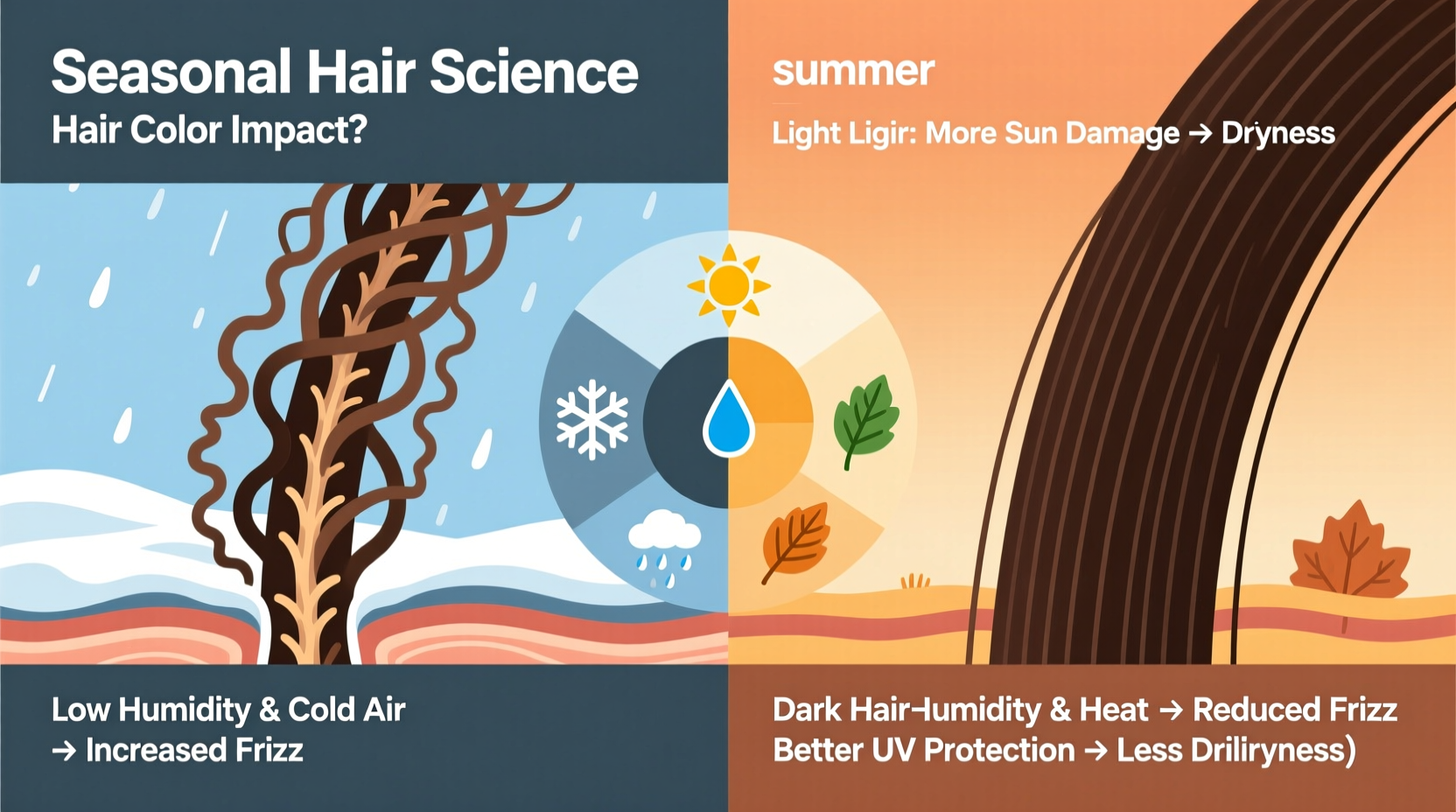
When you apply permanent or semi-permanent hair color, especially bleach-based lightening, the cuticle layer of the hair shaft is lifted to allow pigment penetration. This process disrupts the natural lipid barrier and removes internal proteins like keratin. As a result, the hair becomes more porous—meaning it absorbs moisture quickly but also loses it just as fast.
Increased porosity is a key factor in both frizz and dryness. Frizz occurs when hair strands absorb excess moisture from humid air, causing them to swell unevenly. Dryness happens when the compromised cuticle fails to retain internal moisture, leaving hair brittle and rough. These structural vulnerabilities are exacerbated by environmental stressors that vary with the seasons.
“Hair that has been chemically colored experiences measurable increases in porosity and reduced tensile strength. Seasonal humidity and temperature fluctuations only compound these issues.” — Dr. Lena Torres, Trichologist & Cosmetic Chemist
How Seasons Affect Colored Hair: A Breakdown
Each season presents distinct environmental challenges. For color-treated hair, these shifts can dramatically influence texture, manageability, and appearance.
Spring: Rising Humidity and Transitional Care
As temperatures rise and humidity increases in spring, colored hair begins to react. High moisture levels in the air cause porous strands to swell, leading to frizz. Additionally, seasonal allergens and pollutants can settle on the scalp and hair, further weakening already sensitized strands.
Summer: Heat, Sun, and Chlorine Exposure
Summer brings intense UV radiation, high heat, and exposure to chlorine or saltwater—all of which degrade hair pigments and strip moisture. UV rays break down melanin and artificial dyes, leading to fading and increased brittleness. Chlorine binds to porous hair, accelerating dryness and causing greenish tints in lightened hair.
The combination of sun damage and high humidity creates a paradox: hair feels dry to the touch yet swells with atmospheric moisture, resulting in puffy, unmanageable frizz.
Fall: Cooling Air and Static Buildup
As humidity drops in fall, indoor heating systems begin running, reducing ambient moisture. This dry environment causes static electricity, making flyaways more common. Meanwhile, cooler temperatures slow sebum production, reducing natural scalp oils that help condition hair ends.
For colored hair, this means increased susceptibility to split ends and surface-level dehydration, especially if summer damage wasn’t addressed.
Winter: Extreme Dryness and Indoor Heating
Winter is often the most challenging season for colored hair. Cold outdoor air holds less moisture, and indoor heating further depletes humidity. This double-dry effect causes hair to lose water rapidly, increasing brittleness and breakage.
Wool hats and scarves generate friction, lifting the cuticle and worsening frizz. Without proper conditioning, colored hair can appear dull, feel straw-like, and resist styling efforts.
Seasonal Hair Care Checklist for Colored Hair
To maintain healthy, frizz-free color-treated hair throughout the year, follow this actionable checklist tailored to each season:
- Spring: Introduce a sulfate-free shampoo and weekly hydrating mask to combat early humidity.
- Summer: Wear a hat or use UV-protectant sprays; rinse hair after swimming.
- Fall: Switch to a moisturizing conditioner and minimize heat styling to prevent static.
- Winter: Deep condition bi-weekly and use a leave-in cream to lock in moisture.
- All seasons: Limit shampooing to 2–3 times per week to preserve natural oils.
- Always use a wide-tooth comb on wet hair to reduce mechanical stress.
- Invest in a silk pillowcase to reduce friction during sleep.
Color Type Matters: How Different Dyes Impact Hair Health
Not all hair color treatments affect hair the same way. The degree of structural damage—and subsequent seasonal sensitivity—depends heavily on the type of color used.
| Type of Color | Porosity Increase | Dryness Risk | Frizz Tendency | Seasonal Sensitivity |
|---|---|---|---|---|
| Permanent (with bleach) | High | Very High | High | Extreme – requires year-round protection |
| Permanent (no bleach) | Moderate | Moderate | Moderate | High – especially in humidity |
| Semi-Permanent | Low-Moderate | Low | Low | Moderate – mainly in dry seasons |
| Temporary (rinse-out) | Minimal | Very Low | Low | Low – minor seasonal adjustments needed |
| Vegetable/Plant-Based | Minimal | Low | Low | Low – mostly beneficial coating effect |
As shown, bleached and permanently dyed hair demands the most intensive care. These types experience the greatest seasonal fluctuations because their heightened porosity makes them reactive to every environmental shift.
Real Example: Managing Brassy Blonde Through the Seasons
Consider Sarah, a 34-year-old with shoulder-length, bleached blonde hair. In summer, she spends weekends at the lake. Despite loving the outdoors, she notices her hair turns brassy, feels rough, and frizzes uncontrollably in the afternoon heat. By winter, her ends are dry and snapping off, even though she uses conditioner.
After consulting a trichologist, Sarah learned her hair’s high porosity was absorbing copper from pool water in summer and losing moisture rapidly in heated indoor air during winter. Her routine lacked seasonal adaptation.
She adjusted her regimen: using a chelating shampoo post-swim, applying a violet toning mask weekly in summer, switching to a heavier butter-based conditioner in winter, and wearing a swim cap. Within three months, her hair regained softness, stayed smoother in humidity, and broke less frequently.
Sarah’s case illustrates how understanding the interaction between color type, porosity, and seasonal exposure leads to effective, personalized care.
Step-by-Step Guide: Building a Season-Adaptive Routine
Follow this six-step process to tailor your hair care to seasonal changes while protecting color integrity:
- Assess your hair’s porosity. Perform a strand test: place a clean, dry hair in water. If it sinks within seconds, it’s highly porous. If it floats, it’s low-porosity. Most colored hair falls into medium to high porosity.
- Choose pH-balanced, color-safe products. Look for shampoos and conditioners labeled “for color-treated hair” with a pH between 4.5 and 5.5 to seal the cuticle.
- Adjust cleansing frequency. In humid months, cleanse more often to remove buildup. In dry months, reduce washing to preserve oils.
- Incorporate leave-in treatments. Use leave-in conditioners in winter and anti-humidity serums in summer. Apply to mid-lengths and ends only.
- Deep condition monthly—or bi-weekly in winter. Use masks with ingredients like shea butter, argan oil, or hydrolyzed proteins to rebuild strength.
- Protect from environmental stressors. Wear hats in summer, cover hair with a silk scarf under hats in winter, and avoid prolonged exposure to chlorinated or salt water.
Frequently Asked Questions
Does box dye cause more frizz than salon color?
Not necessarily due to the brand, but because at-home dyes often contain higher concentrations of ammonia and lack customized application. Overlapping color on previously treated hair can increase porosity and frizz. Salon professionals typically assess hair health first and adjust formulas accordingly, minimizing unnecessary damage.
Can I reverse dryness in color-treated hair?
You can't fully reverse structural damage, but you can significantly improve moisture retention and reduce frizz. Focus on protein-moisture balance: use reconstructive treatments with keratin or amino acids every 4–6 weeks, followed by intense moisturizing masks. Avoid overloading with protein, which can make hair stiff and brittle.
Is purple shampoo drying?
Some purple shampoos contain sulfates or high alcohol content, which can be drying. However, modern formulas designed for color-treated hair often include conditioning agents. To prevent dryness, limit use to once or twice a week and always follow with a rich conditioner. Rinse thoroughly to avoid residue buildup.
Conclusion: Proactive Care Beats Reactive Fixes
Colored hair isn’t inherently doomed to frizz and dryness—but it does require informed, adaptive care. Seasonal changes don’t just alter the weather; they expose the weaknesses created by chemical processing. By understanding how color affects hair structure and anticipating environmental stressors, you can stay ahead of damage before it starts.
The key is consistency and customization. What works in July may worsen dryness in January. Monitor your hair’s response, adjust your products proactively, and prioritize protection as much as color vibrancy. Healthy, smooth, resilient hair isn’t a matter of luck—it’s the result of smart, seasonal strategy.




 浙公网安备
33010002000092号
浙公网安备
33010002000092号 浙B2-20120091-4
Comments
No comments yet. Why don't you start the discussion?