
Acne affects millions of people worldwide, and while traditional treatments like benzoyl peroxide and retinoids remain staples, interest in alternative therapies has surged. One such option—red light therapy—has gained popularity through dermatology clinics, at-home devices, and glowing social media testimonials. But behind the sleek branding and celebrity endorsements lies a pressing question: does red light therapy actually treat acne, or is it little more than an overpriced aesthetic trend?
To answer this, we need to separate marketing hype from clinical evidence, examine how red light interacts with skin biology, and consider who might benefit—and who might be better off saving their money.
How Red Light Therapy Works on Skin
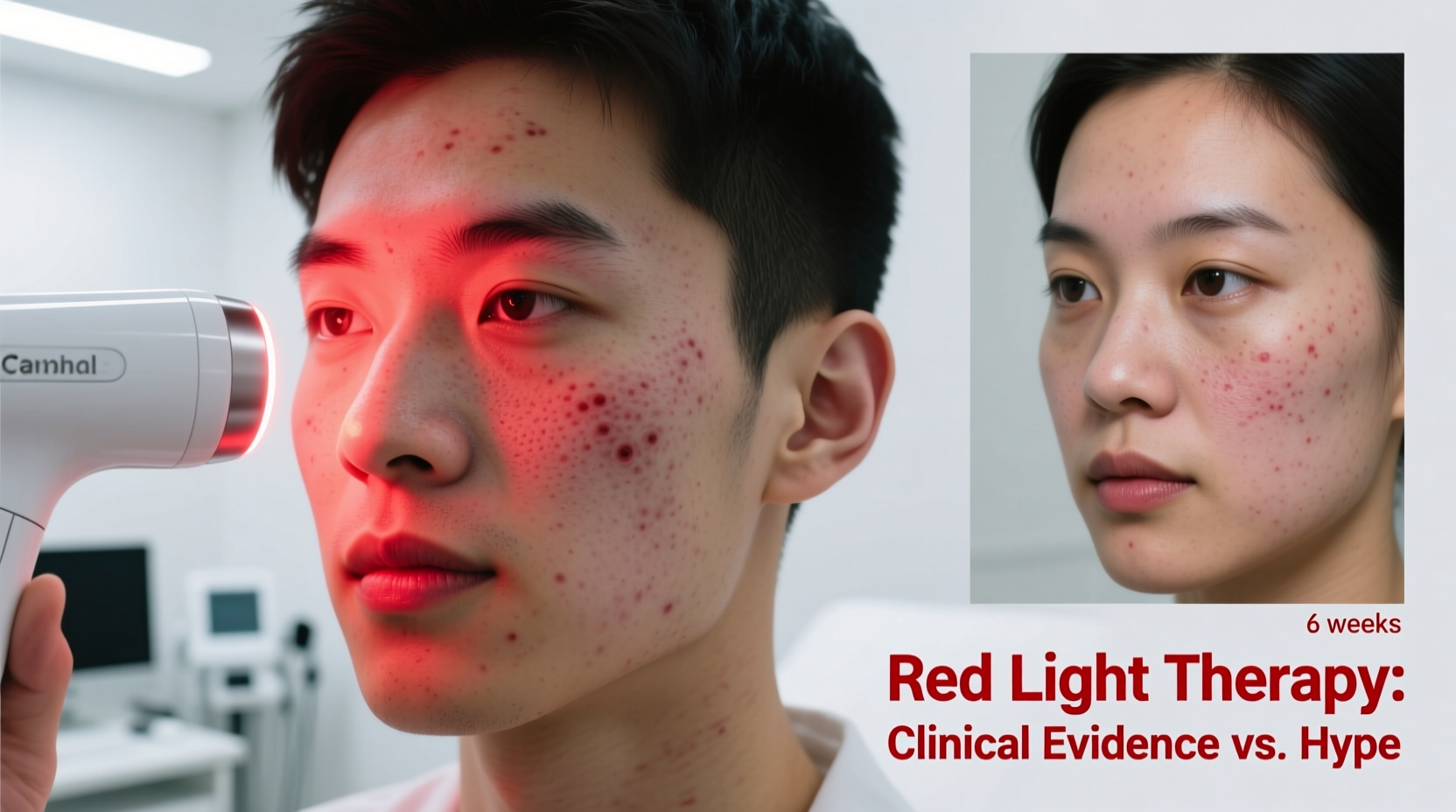
Red light therapy (RLT), also known as photobiomodulation, uses wavelengths of light typically between 630 and 660 nanometers. Unlike ultraviolet light, which can damage skin, red light penetrates the dermis without generating heat or causing harm. The mechanism hinges on cellular energy production: red light is absorbed by mitochondria, the powerhouses of cells, stimulating the production of adenosine triphosphate (ATP). This boost in energy may accelerate tissue repair, reduce inflammation, and modulate cellular activity.
In the context of acne, three biological effects are particularly relevant:
- Anti-inflammatory action: Acne lesions, especially papules and pustules, involve significant inflammation. RLT has been shown in studies to lower levels of pro-inflammatory cytokines like TNF-alpha and IL-6.
- Enhanced healing: By increasing circulation and collagen synthesis, red light may speed up the resolution of active breakouts and reduce post-inflammatory hyperpigmentation.
- Sebum regulation (indirectly): While red light doesn’t directly kill acne-causing bacteria like blue light does, its anti-inflammatory effect may help stabilize sebaceous gland activity over time.
It’s important to note that red light therapy does not replace conventional acne treatments but may serve as a complementary tool—especially for those with sensitive skin prone to irritation from topical agents.
“Photobiomodulation isn’t a miracle cure, but when used correctly, it can support skin recovery and reduce inflammatory burden in mild to moderate acne.” — Dr. Lena Patel, Board-Certified Dermatologist and Researcher in Phototherapy
What the Science Says: Clinical Evidence vs. Anecdotes
Anecdotal reports of clearer skin after using red light devices are widespread, but scientific validation is more nuanced. Several peer-reviewed studies provide cautious optimism:
- A 2014 randomized controlled trial published in Lasers in Surgery and Medicine found that patients receiving red and blue light combination therapy experienced a 68% reduction in inflammatory acne lesions after five weeks, compared to 35% in the control group.
- A 2020 meta-analysis in Dermatologic Therapy concluded that LED phototherapy (including red wavelengths) led to statistically significant improvements in acne severity, though effects were generally modest and required consistent use.
- Studies often combine red and blue light, making it difficult to isolate the impact of red light alone. Blue light (around 415 nm) targets Propionibacterium acnes, the bacteria involved in acne, whereas red light focuses on calming inflammation.
Despite these findings, limitations exist. Many trials have small sample sizes, short durations, or industry funding, which can introduce bias. Additionally, most research is conducted in clinical settings using high-powered medical devices—not the consumer-grade gadgets sold online.
Red Light vs. Blue Light: What’s the Difference for Acne?
Understanding the distinction between red and blue light is crucial when evaluating acne treatments. They work differently and serve different purposes:
| Feature | Red Light (630–660 nm) | Blue Light (405–420 nm) |
|---|---|---|
| Mechanism | Stimulates mitochondrial function, reduces inflammation | Kills P. acnes via porphyrin activation |
| Best For | Inflammatory acne, healing, redness reduction | Active bacterial acne, comedones |
| Side Effects | None reported at standard doses | Minor dryness or sensitivity in some users |
| Treatment Frequency | 3–5 times per week | 3–4 times per week |
| Evidence Strength | Moderate (better for inflammation than lesion count) | Stronger direct antibacterial effect |
Many dermatologists recommend combining both wavelengths for optimal results. Devices offering dual red and blue modes may offer broader benefits than red-only units, especially for active breakouts.
Realistic Expectations: Who Benefits Most?
Not everyone will see dramatic results from red light therapy. Success depends on several factors, including acne type, device quality, consistency of use, and individual skin response.
Those most likely to benefit include:
- Individuals with mild to moderate inflammatory acne (red bumps, pustules).
- People with sensitive skin who react poorly to topical retinoids or acids.
- Patients looking to reduce residual redness and speed healing after breakouts.
- Users willing to commit to daily or near-daily sessions for at least 4–8 weeks.
Less likely to benefit:
- Those with severe cystic acne requiring systemic treatment (e.g., isotretinoin).
- People expecting overnight results—improvements are gradual.
- Users relying on low-power, poorly designed at-home devices.
“I started using a red light mask three times a week alongside my gentle skincare routine. After six weeks, my flare-ups weren’t as angry, and the marks faded faster. It didn’t stop breakouts completely, but my skin looked calmer overall.” — Sarah M., 29, who struggled with hormonal acne for over a decade
This mini case study reflects a common outcome: not total clearance, but measurable improvement in skin condition and recovery time. That may be enough for some—but not a replacement for prescription treatments when needed.
Step-by-Step Guide to Using Red Light Therapy for Acne
If you’re considering trying red light therapy, follow this evidence-based approach to maximize effectiveness:
- Choose a medically credible device: Opt for FDA-cleared or CE-marked devices that disclose wavelength and power output. Avoid novelty gadgets with vague specifications.
- Cleanse your face thoroughly: Remove makeup, oil, and debris so light can penetrate evenly. Do not apply photosensitizing products (like retinoids) immediately before.
- Position correctly: Follow manufacturer guidelines. Most panels recommend 6–12 inches from the face for 5–15 minutes per session.
- Use consistently: Aim for 3 to 5 sessions per week. Daily use is safe for most devices but not always necessary.
- Track progress: Take weekly photos under consistent lighting to assess changes over time. Look for reduced redness, fewer new lesions, and faster healing.
- Combine wisely: Pair with non-irritating skincare—gentle cleansers, niacinamide, and non-comedogenic moisturizers. Avoid layering multiple active treatments that could stress the skin.
- Reevaluate at 8 weeks: If no improvement is seen, discontinue use or consult a dermatologist. Persistent acne may require antibiotics, hormonal therapy, or isotretinoin.
Common Mistakes That Reduce Effectiveness
Even with a good device, poor habits can undermine results. Watch out for these pitfalls:
- Inconsistent use: Skipping sessions or stopping too early prevents cumulative benefits.
- Overestimating at-home devices: Consumer masks emit less power than professional units. Results take longer and may be subtler.
- Mixing with incompatible actives: Using strong exfoliants (like glycolic acid) right before or after RLT may irritate skin, counteracting anti-inflammatory goals.
- Expecting sterilization-level results: Red light doesn’t disinfect skin. It supports healing, not bacterial elimination.
- Ignoring underlying causes: Hormonal imbalances, diet, stress, and genetics play major roles in acne. Light therapy won’t fix these root issues.
Frequently Asked Questions
Can red light therapy make acne worse?
No evidence suggests red light worsens acne. However, if used improperly—such as on dirty skin or combined with irritating products—it may contribute to clogged pores or sensitivity. Always cleanse beforehand and avoid overuse.
How long does it take to see results?
Most users report subtle improvements in skin tone and inflammation within 2–4 weeks. Significant changes in acne severity typically take 6–8 weeks of consistent use. Patience and adherence are key.
Is red light therapy safe for all skin types?
Yes. Unlike lasers or intense pulsed light, red light therapy is non-ablative and non-thermal, making it safe for all skin tones, including darker complexions that are more prone to post-inflammatory pigmentation. No serious side effects have been reported in clinical studies.
Checklist: Is Red Light Therapy Right for You?
Before investing in a device, ask yourself the following:
- ☑ Do I have mild to moderate inflammatory acne?
- ☑ Am I currently experiencing irritation from topical treatments?
- ☑ Can I commit to using the device 3–5 times per week for at least two months?
- ☑ Have I researched devices with verified wavelengths (630–660 nm) and adequate power output?
- ☑ Am I prepared to combine this with a simple, non-aggressive skincare routine?
- ☐ Do I have severe nodular or cystic acne? (If yes, consult a dermatologist first.)
If most answers are “yes,” red light therapy may be a worthwhile addition to your regimen. If not, it might be smarter to focus on proven medical treatments.
Conclusion: Glow Time or Game-Changer?
Red light therapy isn’t magic, nor is it merely expensive glow time. It occupies a middle ground: a scientifically plausible, low-risk adjunctive treatment that can support skin health and reduce inflammation associated with acne. It won’t replace antibiotics, hormonal therapy, or retinoids for moderate to severe cases, but for those seeking gentler options or wanting to enhance healing, it offers legitimate value.
The key is managing expectations. This is a slow-burn therapy, not an emergency zit zapper. Results depend on device quality, consistency, and realistic goals. When used wisely, red light therapy can be a smart part of a holistic acne strategy—one that prioritizes skin resilience over aggressive attack.




 浙公网安备
33010002000092号
浙公网安备
33010002000092号 浙B2-20120091-4
Comments
No comments yet. Why don't you start the discussion?