
For many, slipping on a pair of cozy socks before bed is a comforting ritual—especially in colder months. But beyond warmth, some claim that wearing socks to sleep can enhance blood circulation, reduce nighttime leg cramps, and even promote deeper rest. While this idea has gained traction online and in wellness circles, it’s often clouded by anecdotal claims and misinformation. The real story lies somewhere between physiology and perception.
Blood circulation plays a vital role in overall health, influencing everything from temperature regulation to tissue repair and cardiovascular function. Poor circulation can manifest as cold feet, numbness, or restless legs—all symptoms that may worsen at night. So, could something as simple as bedtime socks offer a solution? Let’s explore the science, dispel common myths, and determine when this habit helps—and when it might do more harm than good.
The Science of Circulation and Temperature Regulation
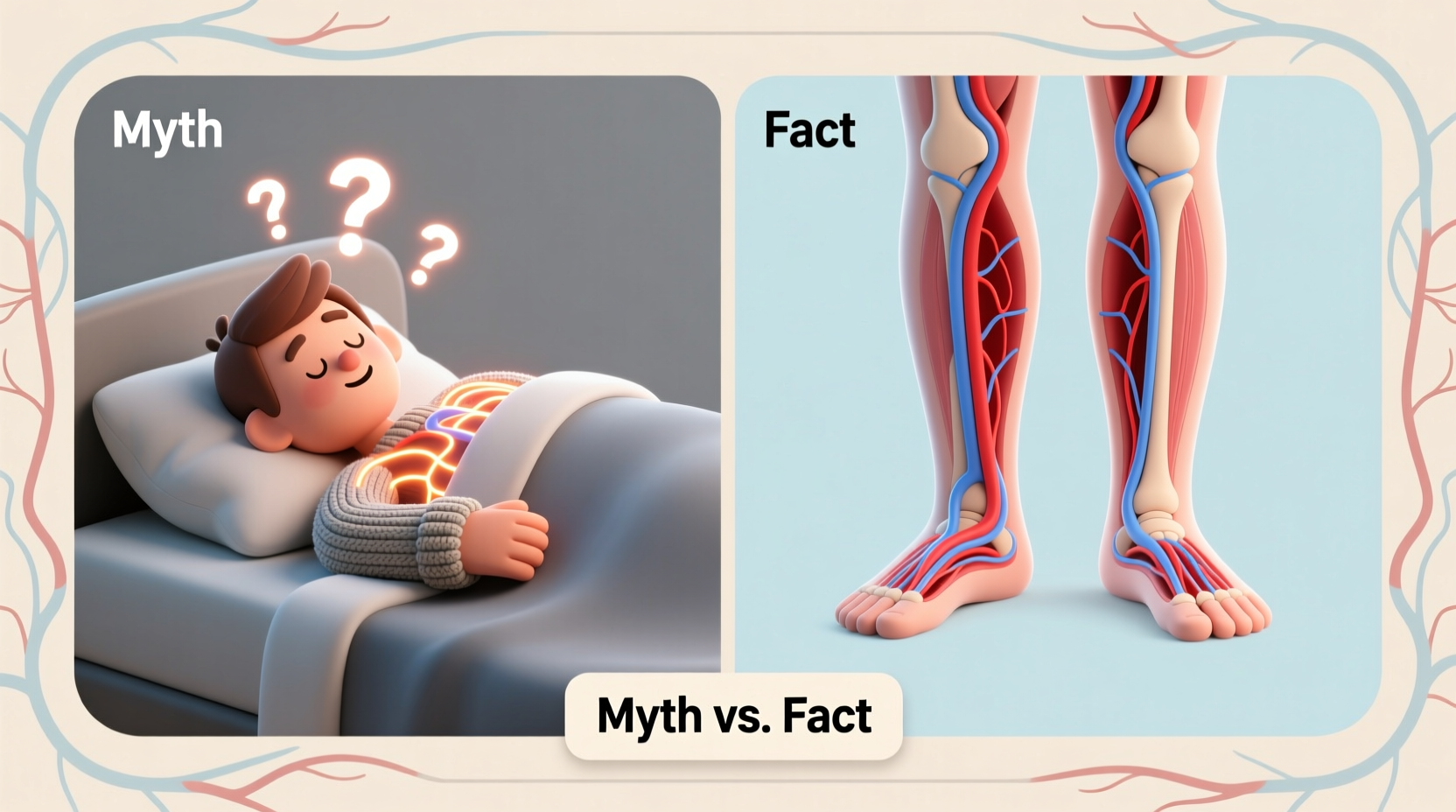
Blood flow is closely tied to body temperature. When your extremities are warm, blood vessels dilate—a process called vasodilation—allowing more blood to reach the skin's surface. This not only warms your hands and feet but also signals the brain that it’s time to wind down. Core body temperature naturally drops before sleep onset, and warming the feet accelerates this cooling process by releasing heat through the skin.
A study published in Physiology & Behavior found that participants who wore socks to bed fell asleep faster and experienced fewer nighttime awakenings. Researchers attributed this to improved distal skin warming, which facilitates heat loss and supports the body’s natural thermoregulatory shift into sleep mode.
“Warming the feet before bed acts like a physiological signal—it tells the brain that it’s safe to initiate sleep.” — Dr. Christopher Winter, Sleep Specialist and Author of *The Sleep Solution*
However, improved sleep onset doesn’t necessarily equate to better systemic circulation. While increased blood flow to the feet occurs due to localized warmth, there's no strong evidence that this enhances overall cardiovascular circulation or treats underlying circulatory disorders such as peripheral artery disease (PAD) or chronic venous insufficiency.
Common Myths About Socks and Circulation
Despite growing popularity, several misconceptions persist about how socks affect circulation during sleep:
- Myth: Wearing socks boosts heart-driven circulation throughout the body.
Reality: Socks primarily increase local blood flow to the feet via passive warming—not active cardiovascular improvement. - Myth: Compression socks worn at night prevent varicose veins.
Reality: Unless prescribed for medical reasons (like lymphedema), compression wear at night can restrict flow if improperly fitted. - Myth: Cold feet always indicate poor circulation.
Reality: Many healthy individuals have cold feet due to normal thermoregulation, anxiety, or hormonal fluctuations—not pathology. - Myth: Any sock will help.
Reality: Tight, non-breathable, or synthetic materials can impair microcirculation and cause overheating or moisture buildup.
When Sleeping with Socks Can Actually Help
While not a cure-all, wearing socks to bed offers measurable benefits in specific situations:
1. For People with Raynaud’s Phenomenon
This condition causes extreme vasoconstriction in response to cold or stress, leading to painful color changes in fingers and toes. Keeping feet warm at night can prevent nocturnal episodes and reduce discomfort.
2. Elderly Individuals with Reduced Peripheral Perfusion
As people age, circulation to extremities often declines. Mild warming from socks can support comfort and reduce the sensation of cold limbs without pharmacological intervention.
3. Pregnant Women Experiencing Swollen or Cold Feet
Hormonal shifts and fluid retention during pregnancy alter circulation patterns. Soft, non-compressive socks can provide gentle warmth without exacerbating swelling.
4. Those with Insomnia Linked to Temperature Dysregulation
People who struggle to fall asleep due to cold extremities may benefit from foot warming. A 2007 study showed that participants with heated foot wraps fell asleep 7.5 minutes faster on average.
5. Diabetics with Intact Sensation (Under Caution)
Some diabetic patients report relief from neuropathic discomfort when wearing soft, seamless socks. However, those with sensory loss must avoid tight or poorly fitting socks to prevent unnoticed pressure injuries.
Best Practices: How to Wear Socks Safely at Night
If you're considering adding bedtime socks to your routine, follow these guidelines to maximize benefits and minimize risks:
- Select the right material: Opt for moisture-wicking, hypoallergenic fabrics that allow airflow.
- Avoid tight elastic bands: These can compress superficial veins and capillaries, counteracting any circulatory benefit.
- Keep them clean and dry: Damp environments encourage fungal growth, increasing risk of athlete’s foot.
- Do not use heating elements: Electric socks or heated blankets pose burn risks, especially for individuals with reduced sensitivity.
- Monitor skin condition: Check feet daily for redness, sores, or irritation, particularly if you have diabetes or vascular disease.
| Factor | Recommended Choice | Avoid |
|---|---|---|
| Fabric | Cotton, bamboo, merino wool | Nylon, polyester (non-breathable synthetics) |
| Fitting | Snug but not constrictive; no visible indentations | Tight cuffs that leave marks on the skin |
| Thickness | Light to medium insulation | Heavy ski socks or layered pairs |
| Special Conditions | Seamless, padded options for diabetics | Any sock with internal seams or ridges |
Real-World Example: Sarah’s Experience with Restless Legs
Sarah, a 58-year-old office worker, struggled with restless legs syndrome (RLS) for years. Her symptoms spiked at night—tingling, crawling sensations in her calves that disrupted sleep. Over-the-counter remedies offered little relief. After reading about thermal regulation and RLS, she decided to try wearing lightweight wool socks to bed.
Within three nights, she noticed a reduction in leg discomfort. “It wasn’t miraculous, but I felt calmer, and the urge to move my legs decreased,” she said. She paired the change with lowering her bedroom temperature to 67°F (19°C) and avoiding caffeine after noon. Six weeks later, her sleep efficiency improved by nearly 20%, according to her fitness tracker data.
Her primary care physician noted that while socks alone weren't a treatment, they were part of an effective behavioral strategy. “She didn’t cure RLS,” he explained, “but she managed triggers effectively. That’s half the battle.”
Expert Insights: What Medical Professionals Say
Vascular specialists and sleep doctors agree: context matters. Wearing socks isn't universally beneficial, nor is it harmful—if done correctly.
“The key is intention. If someone wears socks to feel comfortable and fall asleep faster, great. But if they believe it’s treating poor circulation or preventing blood clots, that’s dangerous misinformation.” — Dr. Lena Patel, Vascular Medicine Specialist, Cleveland Clinic
Dr. Patel emphasizes that true circulatory issues require diagnosis and targeted interventions—such as exercise, medication, or compression therapy during waking hours—not bedtime accessories.
Likewise, sleep experts caution against overinterpreting short-term comfort as long-term health gain. “Improved sleep latency is valuable,” says Dr. Michael Grandner, Director of the Sleep and Health Research Program at the University of Arizona. “But we shouldn’t confuse symptom relief with disease modification.”
Frequently Asked Questions
Can wearing socks to bed cause poor circulation?
Only if the socks are too tight. Socks with restrictive elastic bands can compress blood vessels and reduce capillary flow, potentially causing numbness or discoloration. Always choose loose, stretchable cuffs and inspect your skin in the morning for signs of pressure.
Are compression socks safe to wear while sleeping?
Generally, no—unless specifically advised by a doctor. Compression socks are designed for upright activity, where gravity challenges venous return. Lying flat reduces this need, and continuous compression at night may impair arterial inflow in some individuals.
Do heated socks provide additional circulatory benefits?
Not significantly—and they carry risks. Heated socks can lead to burns, especially in people with neuropathy. The mild vasodilation achieved through passive warming (like regular socks) is sufficient for most purposes. Active heating adds little therapeutic value and increases danger.
Action Plan: A Step-by-Step Guide to Trying Bedtime Socks
If you want to test whether sleeping with socks improves your comfort or sleep, follow this evidence-based approach:
- Assess your motivation: Are you trying to warm cold feet, reduce nighttime cramps, or fall asleep faster?
- Choose appropriate socks: Pick a pair made of breathable, natural fiber with no tight bands.
- Try them for one week: Wear them consistently at bedtime under normal sleeping conditions.
- Track outcomes: Note sleep onset time, awakenings, foot comfort, and any skin reactions.
- Evaluate results: Did you sleep better? Feel more rested? Discontinue if you experience irritation or excessive sweating.
- Consult a professional if symptoms persist: Chronic cold feet, pain, or swelling warrant medical evaluation.
Conclusion: Warm Feet, Clear Facts
Wearing socks to bed can be a simple, low-cost way to enhance sleep comfort and support natural thermoregulation. It may improve local blood flow to the feet and help certain individuals—particularly those sensitive to cold or struggling with sleep initiation—feel more at ease at night. But it’s crucial to separate genuine benefits from exaggerated claims.
No credible evidence suggests that bedtime socks reverse poor circulation, treat vascular diseases, or replace medical therapies. They are a supportive tool, not a remedy. When chosen wisely and used appropriately, they can contribute to better sleep hygiene. When misunderstood or misapplied, they may create false confidence or even physical risk.




 浙公网安备
33010002000092号
浙公网安备
33010002000092号 浙B2-20120091-4
Comments
No comments yet. Why don't you start the discussion?