
Twinkling lights have long been associated with celebration—festive holiday displays, romantic dinners, and whimsical garden installations all rely on that gentle flicker to evoke emotion. But as smart lighting becomes more accessible, the once occasional sparkle has become a permanent option in homes year-round. While some find the effect magical, others report headaches, distraction, or even discomfort. So, does twinkle mode enhance ambiance or cross the line into sensory irritation? The answer lies not in absolutes, but in context, design intention, and guest sensitivity.
The Psychology of Flickering Light
Human perception of light is deeply rooted in biology and evolution. Our brains are wired to detect movement and change—especially in peripheral vision—as a survival mechanism. A steady glow signals safety and stability; flickering light, by contrast, can trigger alertness. This explains why candlelight, fireflies, or starlight feel calming: their flicker is organic, irregular, and low-intensity. Artificial twinkle modes, however, often follow predictable patterns—rapid, uniform pulses—that can be perceived as jarring rather than soothing.
Studies in environmental psychology suggest that dynamic lighting affects mood and cognitive load. Subtle motion in light can increase engagement and emotional warmth when used sparingly. However, overuse or inappropriate timing—such as during conversation or focused tasks—can lead to mental fatigue. Dr. Lena Moretti, an environmental psychologist at the University of Edinburgh, notes:
“Flicker can captivate or distract depending on rhythm and context. Slow, random twinkles mimic nature and comfort the brain. Fast, repetitive blinking activates attention systems—fine for a holiday tree, less so in a living room meant for relaxation.” — Dr. Lena Moretti, Environmental Psychologist
This distinction is critical for homeowners deciding whether to engage twinkle mode during gatherings.
When Twinkle Mode Adds Festive Charm
There’s no denying that twinkling lights elevate certain experiences. Their charm is most effective in environments designed for wonder, nostalgia, or celebration. Consider these scenarios where twinkle mode enhances rather than disrupts:
- Holiday Decorations: Christmas trees, menorah displays, and winter garden lights benefit from gentle flicker, mimicking candlelight or snow reflecting starlight.
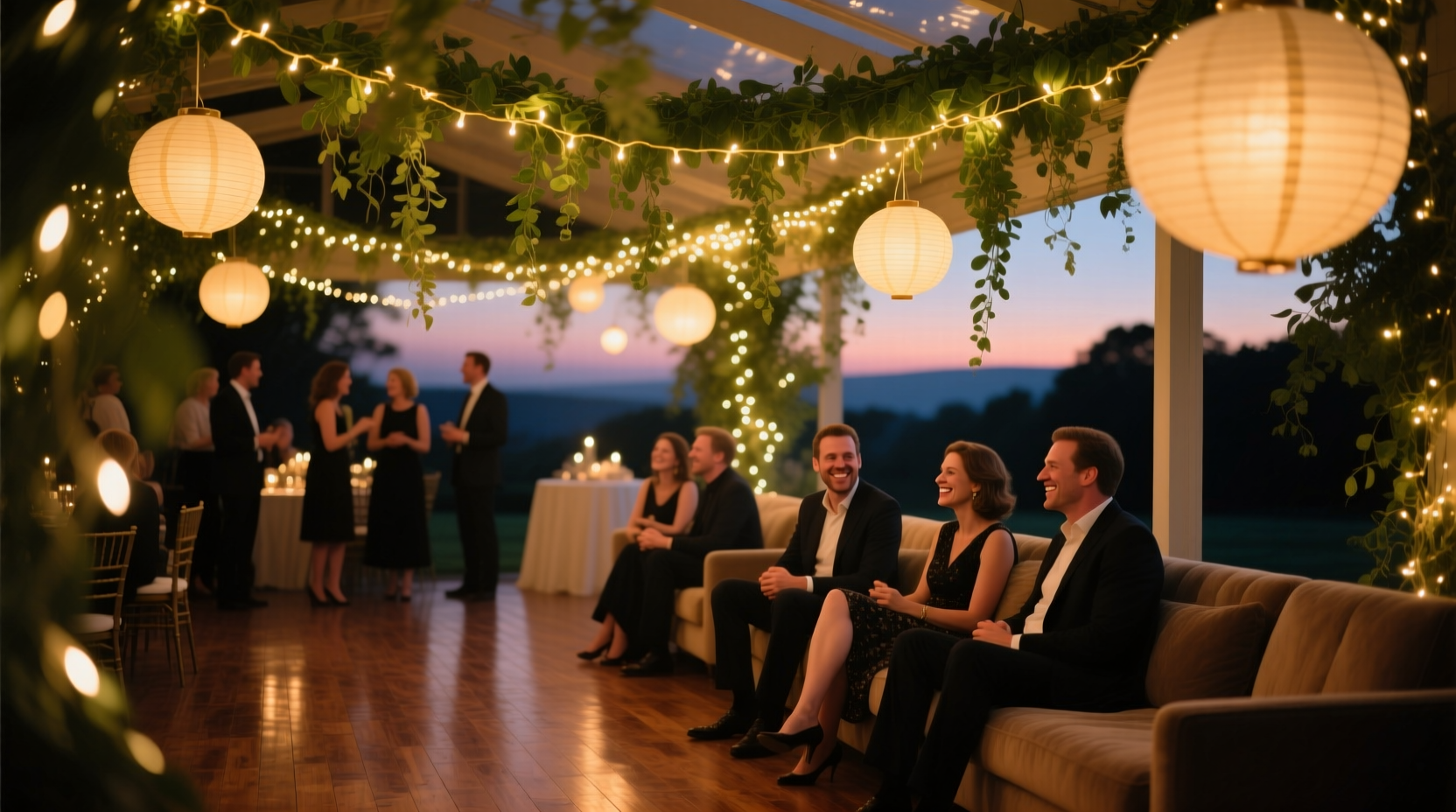
- Outdoor Entertaining: String lights with twinkle mode over patios or pergolas create a dreamy, cinematic atmosphere ideal for evening cocktails.
- Children’s Spaces: Kids often respond positively to playful lighting effects. A softly twinkling nightlight can ease bedtime anxiety.
- Themed Events: Birthday parties, anniversary dinners, or proposal setups use twinkling lights to amplify emotion and mark special moments.
In these cases, the intent is clear: the light is part of the spectacle. Guests expect magic, not minimalism.
When Twinkle Mode Crosses the Line
Despite its appeal, twinkle mode isn’t universally welcome. In functional or intimate spaces, it can become a source of subtle stress. Common complaints include:
- Visual distraction during conversation
- Eye strain or headaches, especially in individuals with light sensitivity
- Perception of clutter or poor design taste
- Interference with screen-based activities (e.g., watching TV or using a laptop)
A real-world example illustrates this tension. Sarah, a graphic designer from Portland, installed smart fairy lights around her living room mirror. She loved the “boho-glam” look and kept them on twinkle mode daily. After hosting a dinner party, three guests mentioned feeling uneasy, one citing migraines triggered by pulsing lights. “I thought I was being creative,” she said. “But I didn’t realize how invasive the effect could be until someone spoke up.”
This scenario highlights a key oversight: hosts often project their own preferences onto guests. What feels joyful to one may feel intrusive to another—especially for neurodivergent individuals or those with sensory processing differences.
Design Best Practices for Twinkle Lighting
Like any design element, twinkling lights require thoughtful application. The goal is harmony, not spectacle. Follow these principles to ensure your lighting enhances rather than detracts:
- Use Zoning: Reserve twinkle mode for designated areas (e.g., entryway, outdoor deck), not entire rooms.
- Control Timing: Activate twinkle only during events or evenings. Avoid leaving it on during daytime or casual visits.
- Offer Alternatives: Ensure lights can switch to steady mode instantly via app, remote, or voice command.
- Limit Intensity: Choose lower-lumen bulbs or diffuse the light through fabric, foliage, or translucent shades.
- Test with Others: Ask trusted friends how the effect feels before making it permanent.
| Situation | Recommended Mode | Rationale |
|---|---|---|
| Christmas Tree Display | Twinkle (slow/random) | Matches seasonal expectations and draws focus to decor |
| Living Room Ambient Lighting | Steady Warm White | Promotes relaxation and conversation |
| Garden Dinner Party | Twinkle (low intensity) | Enhances romance without dominating attention |
| Home Office or Study | No twinkle | Prevents visual distraction during concentration |
| Kids’ Playroom | Occasional twinkle (on demand) | Adds fun without constant stimulation |
Guest Sensitivity and Inclusive Hosting
Modern hospitality includes awareness of diverse needs. Just as you might accommodate dietary restrictions or mobility concerns, consider sensory sensitivities when designing your lighting scheme. Migraine sufferers, autistic individuals, and people with ADHD may find flickering lights particularly disruptive—even if they don’t speak up.
A simple solution? Make lighting control visible and accessible. Place a note or QR code linking to a lighting control panel, allowing guests to adjust brightness or mode discreetly. This empowers personal comfort without burdening the host.
As interior designer Marcus Tran explains:
“Good lighting design isn’t about what looks best in a photo—it’s about how people feel in the space. Twinkle mode should serve the experience, not dominate it.” — Marcus Tran, Interior Designer & Sensory-Inclusive Spaces Advocate
Step-by-Step Guide to Balanced Twinkle Lighting
Follow this timeline to implement twinkling lights responsibly:
- Week 1: Assess Your Space
Identify areas where twinkling would enhance ambiance versus function. Prioritize decorative zones over workspaces. - Week 2: Install Dimmable Smart Lights
Choose bulbs with multiple modes (steady, twinkle, fade) and warm color temperatures. - Week 3: Test with a Small Group
Invite two or three friends over and ask for honest feedback on different modes. - Week 4: Create Lighting Scenes
Set up presets like “Dinner Party,” “Movie Night,” and “Holiday Sparkle” for easy switching. - Ongoing: Monitor Feedback
After each gathering, note any comments about lighting comfort and adjust accordingly.
Frequently Asked Questions
Can twinkling lights cause seizures?
While rare, rapidly flashing lights (typically above 3 Hz) can trigger photosensitive epilepsy in susceptible individuals. Most consumer twinkle modes operate below this threshold, but it's wise to avoid strobe-like effects entirely in shared spaces. If in doubt, opt for slower, randomized flicker patterns.
Is twinkle mode appropriate for everyday use?
Generally, no. Twinkling lights are best reserved for special occasions or specific moods. Using them daily can reduce their impact and increase the risk of sensory fatigue. Think of them like dessert—delightful in moderation, overwhelming in excess.
How do I know if my guests are uncomfortable?
Watch for subtle cues: squinting, turning away from lights, rubbing eyes, or comments like “It’s a bit busy in here.” Some guests won’t speak up out of politeness. Proactively asking, “How’s the lighting for you?” invites honest feedback without pressure.
Checklist: Responsible Twinkle Mode Use
- ☐ Limit twinkle mode to festive or decorative zones
- ☐ Use warm white (2700K–3000K), not cool blue tones
- ☐ Ensure lights are dimmable and multi-mode
- ☐ Avoid placement near TVs, workstations, or reading chairs
- ☐ Offer guests a way to adjust lighting easily
- ☐ Deactivate twinkle mode during non-event times
- ☐ Seek feedback after first use
Conclusion: Striking the Right Balance
Twinkle mode doesn’t inherently annoy or enchant—it depends on how, where, and when it’s used. When aligned with purpose and empathy, twinkling lights can transform an ordinary moment into something memorable. But when applied without consideration, they risk alienating the very people you’re trying to impress.
The most thoughtful homes aren’t those with the most dazzling displays, but those where every detail—from furniture to lighting—invites comfort and connection. Twinkle mode, in this sense, is a tool—not a default. Use it with intention, adjust with humility, and always prioritize the human experience over aesthetic trends.




 浙公网安备
33010002000092号
浙公网安备
33010002000092号 浙B2-20120091-4
Comments
No comments yet. Why don't you start the discussion?