
Modern fashion often prioritizes style over comfort, leading many people to wear tight-fitting garments like skinny jeans, compression wear, shapewear, and form-fitting tops. While these clothes can enhance appearance, they may come at a cost to internal health—particularly when worn for extended periods. Research and clinical observations suggest that consistently wearing tight clothing can interfere with both digestive function and blood circulation. Understanding the physiological effects is essential for making informed choices about daily attire.
How Tight Clothing Impacts Digestion
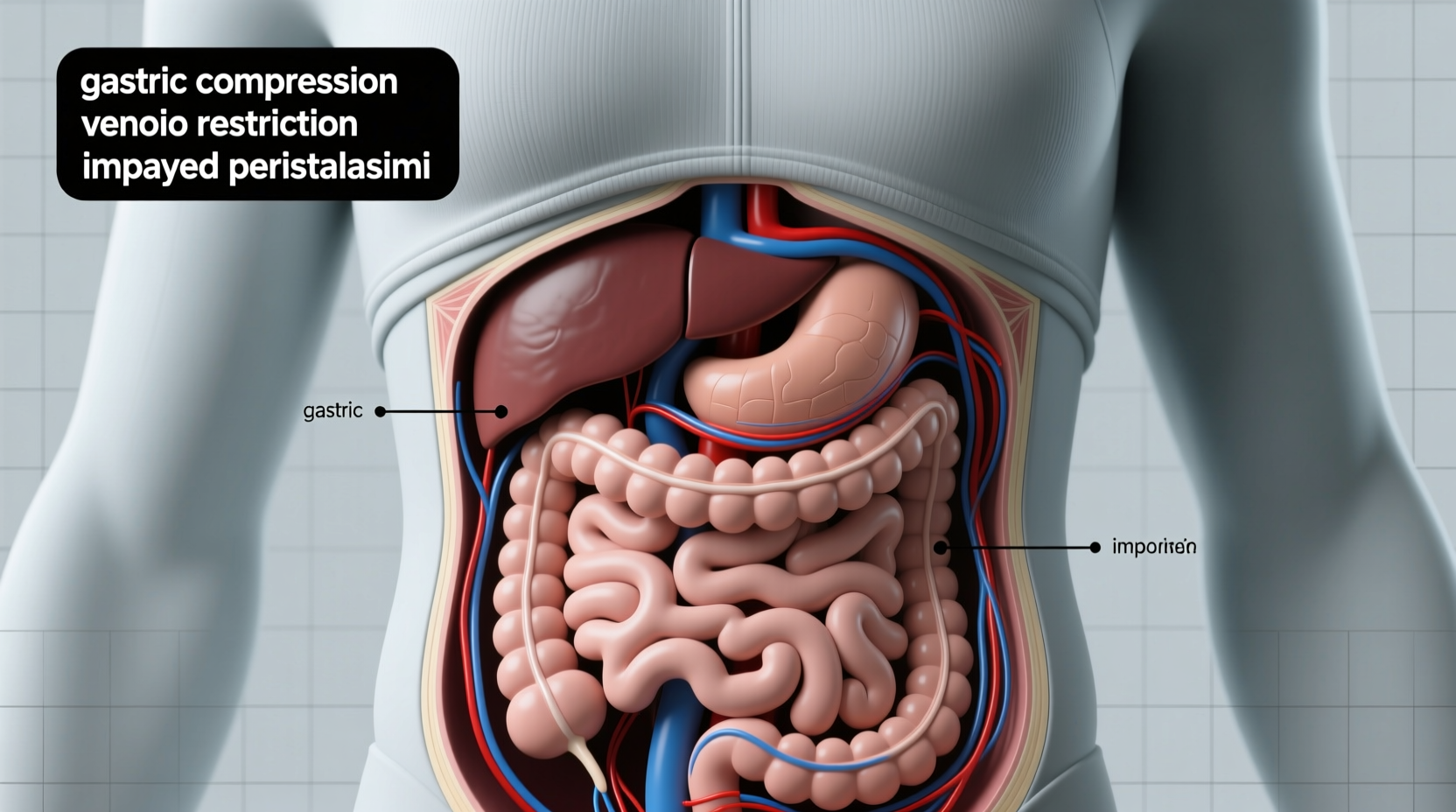
The digestive system relies on smooth muscle contractions, known as peristalsis, to move food through the gastrointestinal tract. When external pressure is applied around the abdomen—especially from waistbands, corsets, or high-compression undergarments—it can disrupt this natural process. The stomach and intestines require space to expand during digestion, particularly after meals. Constricting this area limits gastric expansion and increases intra-abdominal pressure, which may lead to several uncomfortable symptoms.
One common issue is acid reflux. A 2013 study published in *The American Journal of Gastroenterology* found that increased abdominal pressure from tight belts or pants significantly raises the likelihood of gastroesophageal reflux disease (GERD) symptoms. This occurs because pressure pushes stomach contents upward, weakening the lower esophageal sphincter’s ability to remain closed.
Additionally, prolonged compression can contribute to bloating, constipation, and delayed gastric emptying. Individuals who frequently wear shapewear report feelings of fullness and discomfort even after small meals. In extreme cases, chronic constriction has been linked to functional gastrointestinal disorders, where no structural damage exists but symptoms persist due to altered motility.
“Tight clothing creates an artificial barrier to normal digestive mechanics. It's not just uncomfortable—it can mimic or worsen underlying GI conditions.” — Dr. Lena Patel, Gastroenterologist
Circulatory Consequences of Compression Wear
Blood circulation depends on unobstructed pathways through arteries, veins, and capillaries. When clothing fits too tightly—especially around the waist, thighs, or upper arms—it can compress blood vessels and impede flow. This is particularly concerning for venous return, the process by which deoxygenated blood travels back to the heart.
Compression around the thighs or hips can restrict the femoral vein, increasing the risk of blood pooling in the legs. Over time, this may contribute to varicose veins or even deep vein thrombosis (DVT), especially in individuals with sedentary lifestyles or genetic predispositions. Similarly, tight socks or leggings with restrictive bands can cause temporary numbness, tingling, or swelling in the lower extremities.
Peripheral nerve compression is another concern. Wearing jeans with a tight waistband can compress the lateral femoral cutaneous nerve, leading to meralgia paresthetica—a condition characterized by burning pain and numbness along the outer thigh. Though usually reversible, it underscores how clothing choices can directly affect neurological and circulatory health.
Signs Your Clothing Is Restricting Circulation
- Indentations or marks on the skin after removing clothes
- Numbness or tingling in limbs
- Swelling in ankles or feet after prolonged wear
- Cold hands or feet despite warm ambient temperatures
- Visible bulging veins or discomfort in legs
Do’s and Don’ts: Balancing Style and Health
| Action | Recommendation |
|---|---|
| Do choose stretchable, breathable fabrics | Opt for materials like cotton blends, modal, or performance knits that allow movement and airflow. |
| Don’t wear shapewear daily | Limited use (e.g., special events) reduces long-term risks to digestion and circulation. |
| Do size up if there’s visible skin bulging | No garment should create “muffin top” or leave deep red lines on the body. |
| Don’t sit for hours in tight pants | Prolonged sitting increases pressure; take breaks to stand and stretch every hour. |
| Do listen to your body’s signals | Discomfort, indigestion, or numbness are clear warnings to loosen up. |
Real-Life Example: Office Worker With Chronic Bloating
Sarah, a 32-year-old marketing executive, wore high-waisted, compression-style work pants five days a week. She began experiencing persistent bloating, post-meal discomfort, and occasional heartburn. Despite dietary changes and probiotics, her symptoms persisted. After consulting a gastroenterologist, she was advised to eliminate tight waistbands for two weeks. Within days, her bloating decreased significantly. The doctor explained that constant abdominal pressure had slowed gastric emptying and aggravated reflux. Sarah now opts for tailored trousers with elasticized backs and avoids tight fits during lunch hours.
This case illustrates how subtle lifestyle factors—like clothing choice—can mimic more serious medical conditions. Once addressed, many symptoms resolve without medication or invasive treatment.
When Compression Is Beneficial: Medical vs. Fashion Use
Not all compression is harmful. In fact, medically prescribed compression garments are used to improve circulation in patients with venous insufficiency, lymphedema, or post-surgical recovery. These differ from fashion-based shapewear in key ways:
- Graduated pressure: Medical stockings apply the highest pressure at the ankle, gradually decreasing upward—promoting blood flow toward the heart.
- FDA regulation: Therapeutic garments meet safety and efficacy standards.
- Intended duration: Designed for daytime wear with removal at night.
In contrast, aesthetic shapewear often applies uniform or excessive pressure without regard for anatomical flow. While it may temporarily smooth contours, it does not offer circulatory benefits and may do more harm than good when worn daily.
Step-by-Step Guide to Choosing Healthier Everyday Wear
- Assess fit objectively: Stand in front of a mirror wearing the garment. Look for bulges, pinching, or deep indentations. If your skin spills over the waistband, it’s too tight.
- Test mobility: Sit down, bend forward, and walk across the room. Can you move freely without adjusting the garment?
- Monitor bodily feedback: Pay attention after meals. Do you feel bloated or restricted? Does your lower back or thigh tingle?
- Limit duration: Reserve tight clothing for short outings or events, not all-day wear.
- Alternate with loose options: Incorporate relaxed-fit trousers, wrap dresses, or adjustable-waist designs into your wardrobe rotation.
FAQ
Can tight pants cause constipation?
Yes. Persistent pressure on the abdomen can slow intestinal motility by restricting the space needed for bowel movements. This may delay transit time and contribute to constipation, especially in individuals already prone to digestive issues.
Is it safe to wear shapewear while exercising?
Generally, no. Exercise increases core temperature and requires efficient breathing and circulation. Shapewear can overheat the body, restrict diaphragmatic breathing, and impair sweat evaporation. Some athletes use performance compression for muscle support, but these are engineered differently than fashion shapewear.
How long is too long to wear tight clothing?
There’s no universal rule, but exceeding 4–6 consecutive hours in restrictive garments—especially post-meal or during inactivity—increases the risk of digestive and circulatory problems. Regular breaks are crucial.
Expert Insight on Long-Term Habits
“We’ve seen a rise in patients with unexplained abdominal pain and leg swelling—all linked to daily use of ultra-tight clothing. The body isn’t designed to be cinched like a corset. Respecting natural anatomy leads to better long-term health.” — Dr. Rajiv Mehta, Vascular Specialist
Medical professionals increasingly emphasize preventive lifestyle adjustments, including mindful clothing selection. Just as ergonomics matter in furniture design, \"ergonomic clothing\" should support the body’s natural functions rather than override them.
Conclusion: Prioritize Comfort Without Sacrificing Style
Looking good shouldn’t come at the expense of feeling good. While tight clothing may offer a streamlined silhouette, the trade-offs for digestion and circulation are real and sometimes significant. Small changes—like choosing better-fitting garments, limiting wear time, and listening to physical cues—can make a lasting difference in overall well-being.
Today’s fashion landscape offers countless stylish alternatives that blend aesthetics with comfort. From adaptive waistbands to smart fabrics, modern design doesn’t require suffering for style. By making informed choices, you protect not only your appearance but also your internal health.




 浙公网安备
33010002000092号
浙公网安备
33010002000092号 浙B2-20120091-4
Comments
No comments yet. Why don't you start the discussion?