
Dogs pant. It's normal. But when does heavy breathing cross the line from routine cooling to a serious health concern? Understanding the difference between normal panting and abnormal respiratory effort is crucial for every pet owner. Dogs can't tell us when they're in distress, so recognizing subtle shifts in their breathing patterns could mean the difference between early intervention and emergency crisis. This guide breaks down the common and less common causes of heavy breathing in dogs, outlines red flags that demand immediate attention, and provides actionable steps to protect your dog’s health.
Normal vs. Abnormal Breathing in Dogs
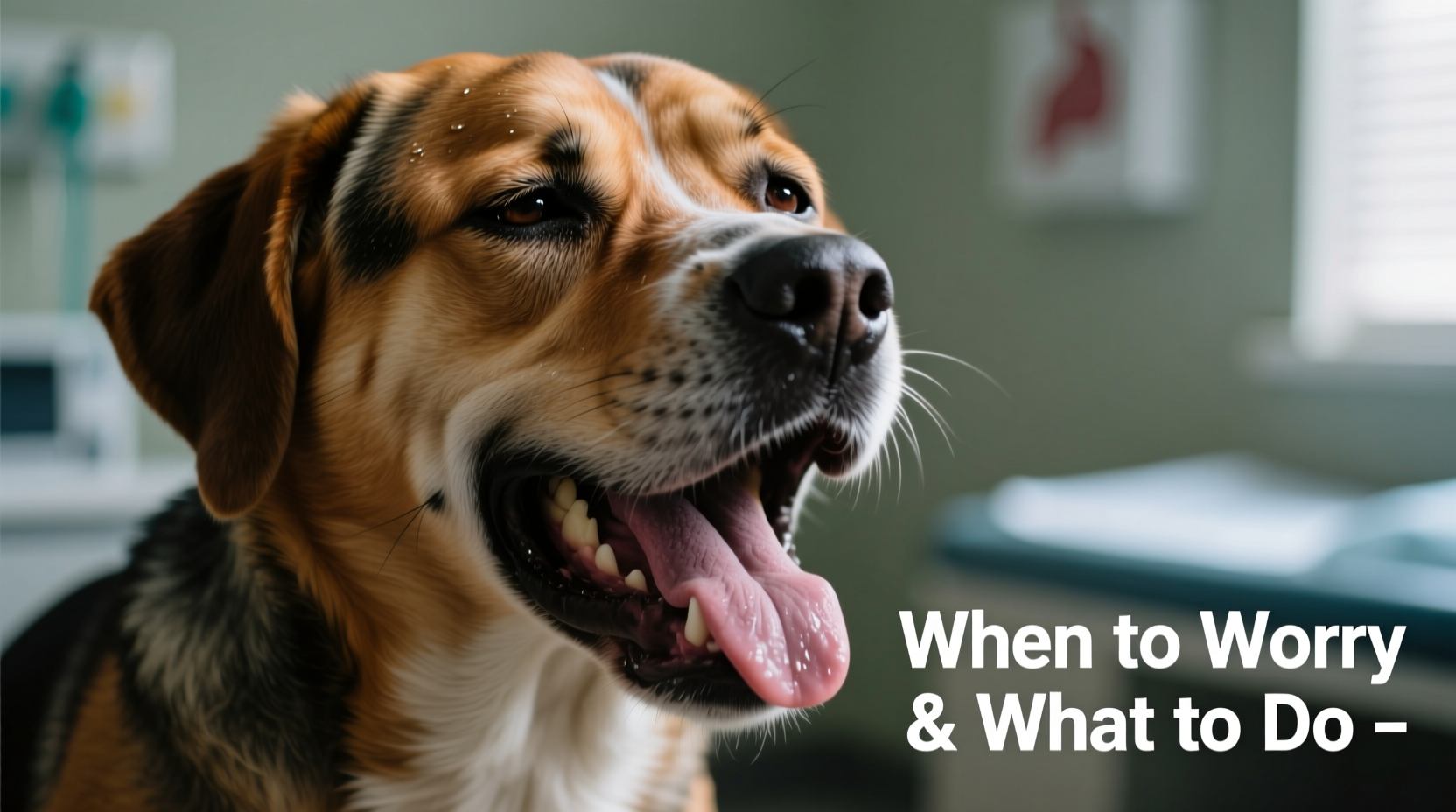
Dogs typically breathe between 10 and 35 times per minute at rest. Panting—rapid, shallow breaths with the mouth open—is how dogs regulate body temperature since they don’t sweat like humans. After exercise, excitement, or in hot weather, increased breathing is expected and usually resolves within minutes.
Abnormal breathing, however, may involve labored effort, unusual sounds (like wheezing or gasping), flared nostrils, or visible abdominal movement with each breath. These signs suggest your dog is struggling to get enough oxygen and warrant closer inspection.
Common Reasons Dogs Breathe Heavily
Not all heavy breathing is cause for alarm. Many factors contribute to temporary increases in respiratory rate. The key is context—what was your dog doing before? How long has it been going on?
- Exercise or Heat: Active dogs naturally pant to cool down. Ensure access to water and shade, especially in summer.
- Excitement or Anxiety: A trip to the vet, loud noises, or visitors can trigger rapid breathing due to stress.
- Obesity: Overweight dogs work harder to breathe, even at rest. Weight management improves respiratory efficiency.
- Breed Anatomy: Brachycephalic breeds like Bulldogs, Pugs, and Shih Tzus have shortened airways, making them prone to noisy or labored breathing.
- Pain: Injuries or internal discomfort can lead to shallow, rapid breaths as a physiological response.
When Heavy Breathing Signals a Medical Emergency
Sometimes, heavy breathing isn’t just about overheating or excitement—it’s a symptom of a life-threatening condition. Recognizing these warning signs early can save your dog’s life.
| Condition | Symptoms | Action Required |
|---|---|---|
| Heatstroke | Excessive panting, drooling, vomiting, lethargy, bright red gums | Immediate cooling + urgent vet care |
| Heart Failure | Labored breathing, coughing, weakness, swollen abdomen | Veterinary evaluation and diagnostics |
| Respiratory Infections | Nasal discharge, coughing, fever, reduced appetite | Antibiotics or supportive care |
| Pulmonary Edema | Gasping, blue-tinged gums, inability to lie down | Emergency veterinary treatment |
| Poisoning | Tremors, seizures, vomiting, dilated pupils, rapid breathing | Call poison control + seek emergency help |
“Persistent or unexplained heavy breathing in dogs should never be ignored. Even subtle changes can indicate underlying cardiac or respiratory disease.” — Dr. Laura Simmons, DVM, Veterinary Internal Medicine Specialist
Step-by-Step Guide: What to Do If Your Dog Is Breathing Heavily
If your dog shows signs of abnormal breathing, follow this timeline to assess and respond appropriately:
- Stay Calm: Your anxiety can worsen your dog’s stress. Speak softly and move gently.
- Assess the Environment: Is it hot? Has your dog been exercising? Remove heat sources and offer fresh water.
- Check for Other Symptoms: Look for coughing, gagging, pale or blue gums, weakness, or reluctance to move.
- Count Respiratory Rate: At rest, count chest movements for 15 seconds and multiply by 4. Over 35 breaths per minute is concerning.
- Limit Activity: Keep your dog still. Avoid walking or playing until breathing stabilizes.
- Seek Veterinary Care: If breathing doesn’t improve in 5–10 minutes, or if other symptoms are present, contact your vet immediately.
- Prepare for Transport: Use a carrier or harness. Keep your dog cool and calm during transit.
Mini Case Study: Max the Labrador and the Summer Walk
Max, a 5-year-old Labrador Retriever, went on a midday walk in 88°F (31°C) weather. By the time he returned home, he was panting excessively, staggering slightly, and drooling thick saliva. His owner initially thought he was just tired but noticed his gums were dark red and he refused to lie down.
Recognizing the signs of heat exhaustion, she moved Max indoors, applied cool (not cold) towels to his paws and neck, and offered small sips of water. She called the vet en route and arrived within 15 minutes. Max was diagnosed with early-stage heatstroke and treated with IV fluids. Thanks to prompt action, he recovered fully within 48 hours.
This case underscores how quickly normal activity can turn dangerous—and how critical timely recognition and response are.
Prevention Checklist: Reduce Risk of Heavy Breathing Episodes
Proactive care minimizes the chances of respiratory emergencies. Use this checklist to keep your dog safe:
- ✅ Avoid walks during peak heat hours (10 a.m.–4 p.m.)
- ✅ Provide constant access to fresh water and shaded areas outdoors
- ✅ Never leave your dog in a parked car—even with windows cracked
- ✅ Maintain a healthy weight through diet and exercise
- ✅ Schedule annual vet checkups, especially for senior dogs or brachycephalic breeds
- ✅ Learn CPR and basic first aid for pets
- ✅ Keep toxic substances (chocolate, xylitol, cleaning agents) out of reach
Frequently Asked Questions
Why is my dog breathing fast while sleeping?
Occasional fast breathing during REM sleep is normal—dogs may dream and twitch. However, consistently high respiratory rates (over 30–35 breaths per minute), labored effort, or gasping during sleep should be evaluated by a vet. It could indicate heart disease, pain, or respiratory issues.
Can anxiety cause heavy breathing in dogs?
Yes. Stressful situations—thunderstorms, fireworks, travel, or separation—can trigger rapid breathing. This is part of the “fight-or-flight” response. If anxiety is frequent, consider behavioral training, calming aids, or consult a veterinarian about anti-anxiety options.
Is heavy breathing a sign of heart failure in dogs?
It can be. Heart failure often leads to fluid buildup in the lungs (pulmonary edema), causing difficulty breathing, persistent coughing (especially at night), and intolerance to exercise. Early detection through regular vet exams improves outcomes significantly.
Conclusion: Be Your Dog’s First Line of Defense
Your dog relies on you to notice when something is wrong. Heavy breathing isn’t always an emergency, but it’s always a signal worth interpreting correctly. By understanding what’s normal, knowing the red flags, and acting swiftly when needed, you become a powerful advocate for your pet’s well-being. Don’t wait for symptoms to worsen. When in doubt, err on the side of caution and call your veterinarian. Early intervention saves lives, reduces suffering, and strengthens the bond you share with your loyal companion.




 浙公网安备
33010002000092号
浙公网安备
33010002000092号 浙B2-20120091-4
Comments
No comments yet. Why don't you start the discussion?