
Dogs chewing shoes when left alone is one of the most common behavior problems reported by pet owners. While it may seem like a simple case of bad manners, this habit often points to deeper issues such as separation anxiety, boredom, or lack of training. Simply replacing chewed footwear isn’t a long-term solution. What’s needed are consistent, humane, and science-backed behavioral strategies that address the root cause. This guide outlines practical, proven methods to help your dog stay calm, engaged, and out of your closet when you’re not home.
Understanding Why Dogs Chew Shoes When Alone
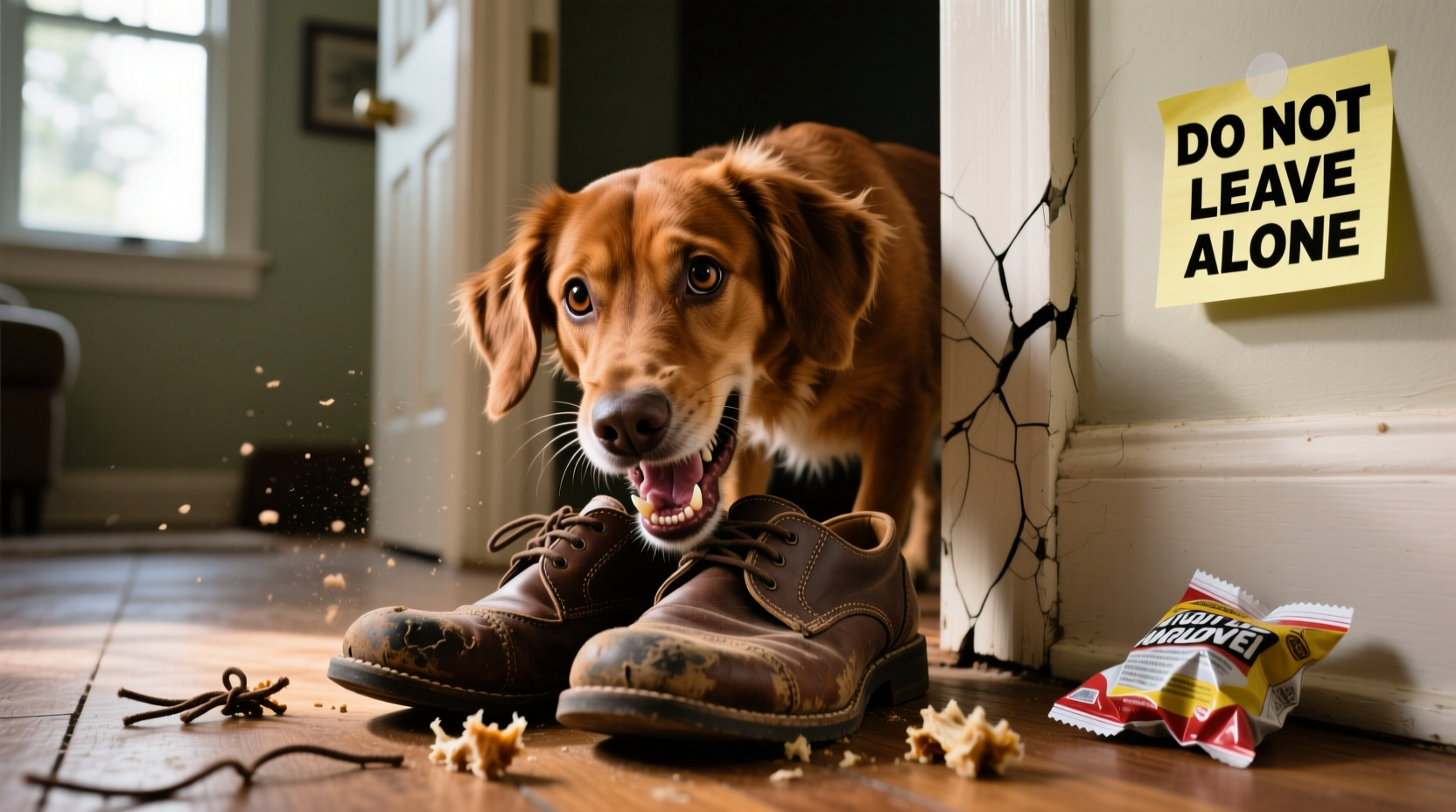
Destructive chewing isn't typically about revenge or spite. Instead, it's usually a symptom of underlying stress, excess energy, or learned behavior. Puppies explore the world with their mouths, but adult dogs who continue chewing personal items—especially when alone—are often responding to emotional discomfort.
Common causes include:
- Separation anxiety: Dogs are social animals. Being left alone can trigger panic, leading to destructive behaviors as a coping mechanism.
- Boredom: Without sufficient mental and physical stimulation, dogs seek entertainment—often in the form of household items.
- Lack of training: If a dog hasn’t been taught what is acceptable to chew, they’ll make their own choices.
- Poor confinement setup: Leaving a dog unsupervised in an unsecured space increases access to off-limits objects.
- Teething (in puppies): Young dogs experience gum discomfort and naturally chew to relieve pain.
Identifying the root cause is essential. A dog chewing only your shoes might be drawn to your scent, while one destroying multiple items may be experiencing generalized anxiety.
“Destructive behavior in isolation is rarely about disobedience—it’s communication. The dog is telling us they’re struggling.” — Dr. Karen Overall, Veterinary Behaviorist
Step-by-Step Behavioral Fix Plan
Resolving shoe-chewing requires consistency, patience, and a multi-pronged approach. Follow this timeline-based strategy over 2–6 weeks to see lasting results.
- Day 1–3: Secure the Environment
Remove all accessible shoes and valuable items. Use closed closets or baby gates to restrict access. Provide durable chew toys in designated areas. - Day 4–7: Establish a Predictable Routine
Feed, walk, and play at consistent times daily. Dogs thrive on predictability, which reduces baseline anxiety. - Week 2: Begin Desensitization to Departures
Practice “fake” leaving routines: pick up keys, put on shoes, open the door, then sit back down. Start with 5-second absences, gradually increasing duration over days. - Week 3: Introduce Crate Training (if applicable)
If using a crate, make it a positive space with treats, blankets, and toys. Never use it as punishment. Allow your dog to enter voluntarily. - Week 4–6: Increase Mental and Physical Exercise
Aim for at least 30–60 minutes of active exercise daily. Combine walks with puzzle toys, nose work, or training sessions to tire the mind and body.
Progress should be gradual. Rushing the process can worsen anxiety. Track your dog’s response: drooling, pacing, or vocalizing during practice departures indicates stress levels are still too high.
Do’s and Don’ts: Managing Chewing Behavior
| Do’s | Don’ts |
|---|---|
| Provide safe, durable chew toys (e.g., rubber Kongs, nylon bones) | Leave shoes or socks lying around within reach |
| Use bitter-tasting sprays on off-limits items (pet-safe deterrents) | Yell at or punish your dog after the fact—they won’t connect the action to the consequence |
| Rotate toys weekly to maintain novelty | Give old shoes as “chew toys”—this confuses boundaries |
| Practice short absences and reward calm behavior | Extend alone time too quickly without assessing comfort level |
| Use puzzle feeders or treat-dispensing toys when leaving | Ignore signs of distress like whining, panting, or pacing |
Consistency across all household members is critical. Mixed signals—such as allowing chewing on some shoes but not others—confuse dogs and undermine progress.
Real-Life Example: Fixing Max’s Shoe-Chewing Habit
Max, a 2-year-old Border Collie mix, was destroying his owner’s running shoes every time she left for work. Despite repeated scolding, the behavior persisted. A veterinary behavior consultation revealed high arousal levels and separation-related distress.
The solution involved three key changes:
- Exercise upgrade: Max began receiving two 30-minute brisk walks plus 15 minutes of fetch before departure.
- Mental engagement: His breakfast was served in a stuffed Kong frozen overnight, keeping him occupied for 30+ minutes after the owner left.
- Gradual desensitization: The owner practiced departure cues over two weeks, starting with 10 seconds and building to 45 minutes without incident.
Within four weeks, Max stopped chewing shoes entirely. His owner reported he now lies down calmly with his toy shortly after she leaves. The key wasn’t punishment—it was redirection, routine, and reducing anxiety.
Essential Checklist for Preventing Destructive Chewing
Use this checklist daily to reinforce good habits and prevent relapse:
- ✅ Pick up shoes, socks, and other tempting items before leaving
- ✅ Provide at least one high-value chew toy (e.g., stuffed Kong, bully stick)
- ✅ Ensure your dog gets adequate physical exercise before being left alone
- ✅ Engage in 10–15 minutes of mental training (commands, tricks, puzzles) pre-departure
- ✅ Use a pet-safe bitter spray on furniture legs or baseboards if chewing spreads
- ✅ Confirm confinement area is secure, comfortable, and free of hazards
- ✅ Monitor progress with video recordings when possible
- ✅ Reward calm behavior immediately upon return—don’t ignore them, but don’t overly excite either
This checklist helps create structure. Over time, these actions become second nature and significantly reduce the risk of destructive episodes.
Frequently Asked Questions
Why does my dog only chew my shoes and not my partner’s?
Dogs are highly attuned to scent. Your shoes carry your unique odor, which can be comforting—or overstimulating—when you're absent. This makes them more appealing than others’ footwear. It’s not personal; it’s olfactory.
Can I leave the TV or radio on to help my dog?
Background noise can help mask unsettling outdoor sounds (thunder, traffic), but it won’t address separation anxiety on its own. Used alongside behavioral training, white noise or calming music may reduce environmental triggers.
Should I crate my dog when I’m not home?
Crating can be effective if introduced positively and used appropriately. However, crating an anxious dog can increase stress and lead to self-injury. If your dog panics in a crate, consider using a dog-proofed room instead. Always ensure access to water and appropriate chew items.
When to Seek Professional Help
While many cases improve with consistent training, some dogs need expert intervention. Consult a certified veterinary behaviorist or force-free trainer if:
- Your dog injures themselves trying to escape
- Destructive behavior occurs within minutes of your departure
- Chewing is accompanied by excessive barking, howling, or house soiling
- Standard training methods show no improvement after 4–6 weeks
In severe cases, a veterinarian may recommend short-term anti-anxiety medication alongside behavioral therapy. These are not “quick fixes” but tools to lower stress enough for learning to occur.
“Medication doesn’t change behavior—it creates a window of opportunity for training to work.” — Dr. Sophia Yin, Animal Behavior Specialist
Conclusion: Building Calm Independence Takes Time
Dog chewing shoes when left alone is a fixable behavior—but it requires understanding, not frustration. By addressing the emotional and environmental factors driving the chewing, you give your dog the tools to cope confidently in your absence. Success isn’t measured by a single quiet afternoon, but by consistent calm behavior over time.
Start today: pick up those shoes, stock up on durable chew toys, and begin practicing short departures. Small, deliberate steps lead to big changes. Your dog isn’t misbehaving on purpose—they’re asking for help in the only way they know how.




 浙公网安备
33010002000092号
浙公网安备
33010002000092号 浙B2-20120091-4
Comments
No comments yet. Why don't you start the discussion?