
Walk into any pet store or browse online retailers, and you’ll find two distinct sections: one for dog coats and another for cat coats. At first glance, the differences seem minimal—both are small, furry animals that sometimes need protection from cold weather. So why do manufacturers treat them as entirely separate categories? Is there a real functional distinction between dog coats and cat coats, or is this just clever marketing capitalizing on pet owner emotions?
The answer lies somewhere in between. While some overlap exists in materials and basic design, key anatomical, behavioral, and safety differences mean that not all coats are interchangeable. Understanding these nuances helps pet owners make smarter choices—saving money, avoiding discomfort, and ensuring safety.
Anatomical Differences That Shape Design
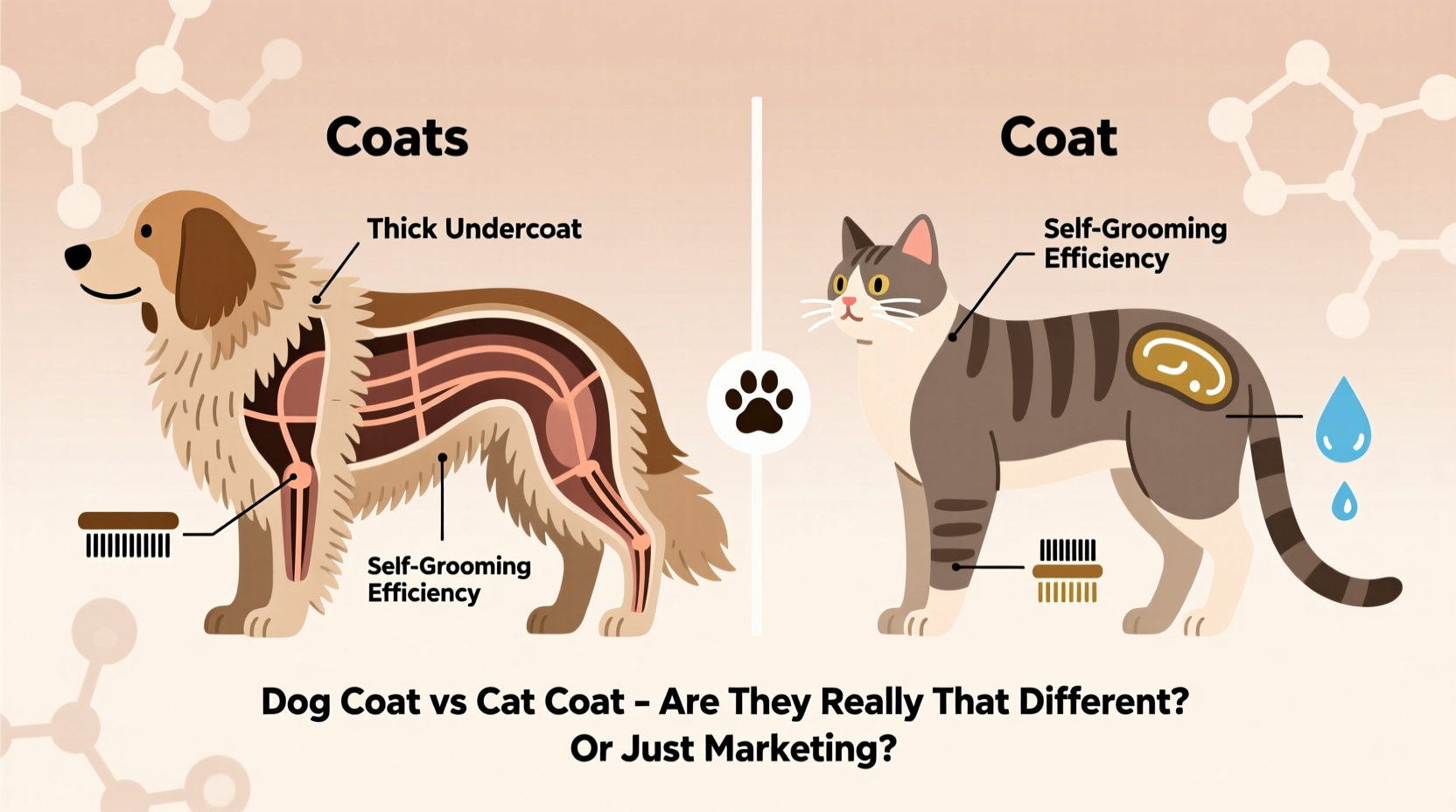
Dogs and cats may both be quadrupeds, but their body structures differ significantly. Dogs typically have longer backs, broader chests, and sturdier builds. Cats, on the other hand, are more compact with flexible spines, narrow shoulders, and shorter torsos. These physical traits directly influence how a coat fits and functions.
A dog coat often extends from the base of the neck to the tail, covering the entire back and ribcage. It’s designed to stay secure during movement, especially during walks or outdoor play. In contrast, a cat coat must allow for extreme flexibility—cats twist, jump, and squeeze through tight spaces. A poorly fitted coat can restrict motion or even become a hazard.
Additionally, cats have a higher resting body temperature (around 101–102.5°F) compared to most dogs (99.5–102.5°F), meaning they may not need as much insulation. Overheating is a real concern when dressing cats in heavy-duty dog-style coats.
Behavioral Needs: Movement, Escape, and Stress
Cats are naturally more independent and cautious than dogs. Introducing clothing to a species that evolved to rely on stealth and agility requires extra consideration. Many cats resist wearing anything on their bodies, and ill-fitting or bulky coats can increase stress levels.
Dogs, especially those bred for work or cold climates (like Huskies or Newfoundlands), are generally more accepting of outerwear. They’re also trained to tolerate gear like harnesses and boots, making coat adoption easier.
Escape risk is another major factor. Cat coats must be escape-proof without being restrictive. Features like snap closures under the belly, adjustable straps, and stretch panels are common in quality cat-specific designs. Dog coats often use simpler velcro or zipper systems since dogs are less likely to wriggle out.
“Cats are far more sensitive to tactile changes. A coat that feels slightly tight or rubs in the wrong place can trigger panic or grooming avoidance.” — Dr. Lena Torres, Feline Behavior Specialist
Material and Safety Considerations
While many coats use similar fabrics—polyester fleece, nylon shells, and waterproof linings—the application differs. Dog coats are often built for durability. They might include reflective strips, reinforced stitching, and machine-washable construction for frequent outdoor use.
Cat coats prioritize softness and lightweight materials. Since most cats only wear coats briefly (e.g., during travel or vet visits), they don’t need heavy-duty weatherproofing. However, safety is paramount. Loose strings, dangling ties, or long hoods can snag on furniture or be chewed, posing choking or entanglement risks.
Some cat coat designs integrate harness compatibility, allowing leashed walks without layer conflict. This is rarely seen in dog coats because dogs already wear harnesses or collars independently.
Coat Comparison: Key Design Differences
| Feature | Dog Coat | Cat Coat |
|---|---|---|
| Fitting Style | Over-the-head with chest/back coverage | Under-belly snaps or side zippers |
| Length | Longer, full-back coverage | Shorter, hip-length typical |
| Insulation Level | High (for outdoor breeds) | Light to moderate |
| Mobility Focus | Durability during activity | Flexibility and escape prevention |
| Safety Features | Reflective strips, strong seams | No loose parts, chew-resistant materials |
| Common Use Case | Daily winter walks | Vet trips, car rides, short exposure |
Marketing Tactics That Blur the Lines
There’s no denying that marketing plays a role. Retailers often label nearly identical products as “dog” or “cat” coats and price them differently. Some brands charge a premium for “designer” cat coats with minimal functional upgrades—think rhinestones or pastel colors aimed at emotional buyers.
Moreover, the rise of social media has fueled demand for pet fashion. Owners want their pets to look cute in photos, leading to impulse buys of unnecessary or impractical garments. A quick scroll through Instagram reveals countless cats in oversized dog sweaters—clearly uncomfortable and improperly fitted.
That said, not all differentiation is artificial. Reputable brands invest in species-specific research. For example, Ruffwear and Petio offer cat coats with ergonomic cuts and escape-proof closures, clearly distinguishing them from their dog lines.
Mini Case Study: Bella the Indoor Cat
Bella, a 7-year-old domestic shorthair, needed a coat for bi-weekly vet visits during winter. Her owner initially bought a small dog sweater, assuming size was the only factor. Bella resisted wearing it, arching her back and attempting to remove it by rubbing against walls. The shoulder seams pressed into her armpits, limiting movement.
After switching to a cat-specific snap-belly coat with stretchy sides, Bella tolerated the garment much better. The lighter fabric and secure fit eliminated pressure points. This case highlights how subtle design elements impact comfort and usability—even when the visual difference seems minor.
How to Choose the Right Coat: A Practical Checklist
- Measure your pet accurately – Neck-to-tail length and girth behind front legs.
- Assess activity level – Will it be worn during walks, travel, or brief outdoor exposure?
- Check closure type – Cats benefit from snap or hook-and-loop underbelly fasteners.
- Prioritize freedom of movement – Ensure shoulders and hips aren’t restricted.
- Avoid dangling parts – No strings, tassels, or loose hoods.
- Test supervision – Always monitor your pet during initial wear.
- Consider dual-use – Look for coats compatible with harnesses if leash walking.
Frequently Asked Questions
Can I use a small dog coat on my cat?
It depends. If the dog coat is specifically sized for toy breeds (e.g., Chihuahua size) and features a secure, non-restrictive fit, it might work temporarily. However, most dog coats are too long, heavy, or rigid for cats. Prioritize designs made for feline anatomy to avoid stress or injury.
Do cats really need coats?
Most healthy adult cats with full fur don’t need coats indoors. However, short-haired breeds (like Siamese), kittens, seniors, or cats with medical conditions may benefit from warmth during cold exposure. Hairless breeds (e.g., Sphynx) almost always require clothing in cool environments.
Are dog and cat coat materials toxic if chewed?
Most reputable brands use pet-safe, non-toxic fabrics. However, chewing can still lead to intestinal blockages. Always supervise coat use and remove it when unsupervised. Avoid coats with PVC, phthalates, or chemical waterproof coatings unless certified safe.
Conclusion: Function Over Fashion
The distinction between dog and cat coats isn’t purely marketing—but it’s not absolute either. Real differences exist in fit, function, and safety, shaped by biology and behavior. While some crossover is possible, especially with small dogs and larger cats, assuming interchangeability can lead to discomfort or danger.
The best approach is to evaluate each pet’s individual needs: size, health, temperament, and lifestyle. Choose based on engineering, not labels. When in doubt, opt for species-specific designs from trusted brands that prioritize comfort and safety over trends.




 浙公网安备
33010002000092号
浙公网安备
33010002000092号 浙B2-20120091-4
Comments
No comments yet. Why don't you start the discussion?