
When a dog refuses food, it can be alarming for any pet owner. While skipping a meal occasionally is normal, consistent loss of appetite may signal an underlying issue. Understanding the range of possible causes — from minor stressors to serious illness — helps you determine whether your dog needs immediate veterinary attention or just time and observation.
Dogs are creatures of habit, and changes in their eating patterns often reflect shifts in their physical or emotional state. This article explores the most common reasons dogs stop eating, signs that warrant concern, and practical steps you can take at home before seeking professional help.
Common Reasons Dogs Stop Eating
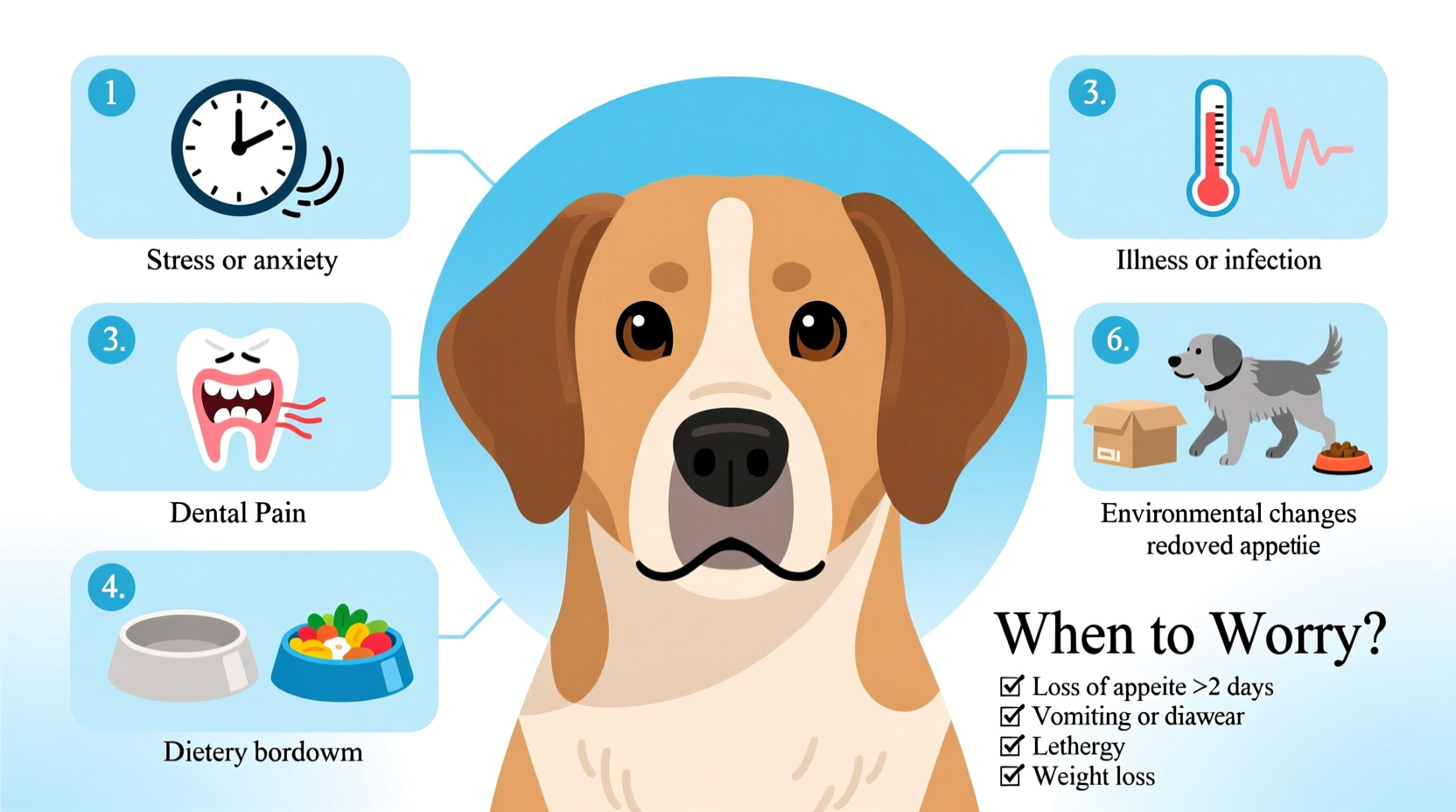
Lack of appetite in dogs rarely has a single cause. It's usually the result of a combination of environmental, behavioral, or medical factors. Recognizing these early can prevent unnecessary anxiety and prompt timely action.
- Dental pain or oral discomfort: Broken teeth, gum disease, or mouth sores make chewing painful.
- Recent vaccinations: Some dogs experience mild lethargy and reduced appetite after shots.
- Change in routine or environment: Moving homes, new family members, or travel can trigger stress-related fasting.
- Food fatigue: Long-term feeding of the same diet may lead to disinterest.
- Gastrointestinal upset: Nausea, constipation, or diarrhea often suppress hunger.
- Pickiness: Especially common in small breeds or dogs used to table scraps.
When to Worry: Red Flags That Require Immediate Attention
Not every skipped meal requires a vet visit. However, certain symptoms alongside appetite loss indicate a potentially serious condition. Monitor your dog closely if they show any of the following:
“Anorexia in dogs — defined as refusal to eat for more than 24 hours — should never be ignored, especially in puppies or senior dogs.” — Dr. Lena Torres, DVM, Small Animal Internal Medicine Specialist
Warning Signs Include:
- Vomiting or diarrhea lasting over 24 hours
- Lethargy or unwillingness to stand or play
- Abdominal bloating or pain (whining when touched)
- Excessive drooling or pawing at the mouth
- Signs of dehydration (dry gums, sunken eyes, skin tenting)
- Sudden weight loss over a few days
- Coughing, difficulty breathing, or collapse
If your dog hasn’t eaten for more than 48 hours — regardless of other symptoms — contact your veterinarian immediately. Prolonged fasting can lead to hepatic lipidosis (fatty liver disease), particularly in overweight dogs, which becomes life-threatening if untreated.
Step-by-Step Guide: What to Do When Your Dog Won’t Eat
Before rushing to the clinic, assess your dog systematically. Follow this timeline to gather useful information for your vet:
- Day 1 – Observe and adjust: Check for recent changes in food, environment, or behavior. Offer warmed food or a bland diet (boiled chicken and rice).
- Monitor hydration: Ensure your dog is still drinking water. Dehydration escalates risk significantly.
- Day 2 – Introduce variety: Try hand-feeding small amounts of high-value treats like boiled liver, canned fish (in water), or baby food (ensure no onion or garlic).
- Check for discomfort: Examine the mouth for redness, swelling, or foreign objects. Gently press the abdomen — if your dog flinches, seek help.
- Day 3 – No improvement? Call the vet: Even if symptoms seem mild, prolonged fasting warrants evaluation. Blood work or imaging may be needed.
Do’s and Don’ts: Managing Appetite Loss at Home
| Action | Do | Don't |
|---|---|---|
| Feeding | Offer small portions of bland, easily digestible food | Force-feed or offer rich, fatty human foods |
| Hydration | Encourage water intake; try ice cubes or broth (low sodium) | Assume your dog is hydrated just because they drank once |
| Environment | Provide a quiet, calm space away from noise or pets | Scold or punish for not eating — this increases stress |
| Medication | Give prescribed meds with food only if approved by your vet | Administer over-the-counter drugs like NSAIDs without guidance |
Mini Case Study: Max, the 7-Year-Old Labrador Who Stopped Eating
Max, a normally enthusiastic eater, refused his kibble for two days after his family returned from vacation. His owners initially assumed he was upset about the change in routine. They tried offering treats and warming his food, but Max remained uninterested. On day three, he began vomiting yellow bile in the mornings and became unusually tired.
Concerned, his owners brought him to the vet. Examination revealed elevated kidney values and dehydration. An ultrasound showed a partial intestinal obstruction caused by a swallowed toy fragment. After surgery and supportive care, Max recovered fully. His case highlights how behavioral assumptions can delay diagnosis — even subtle appetite changes deserve scrutiny.
Medical Conditions Linked to Appetite Loss
Beyond temporary issues, chronic diseases frequently present with decreased appetite as an early sign. These include:
- Kidney disease: Toxins build up, causing nausea and oral ulcers.
- Diabetes: Fluctuating blood sugar affects energy and hunger cues.
- Cancer: Tumors alter metabolism and release appetite-suppressing cytokines.
- Intestinal parasites: Worms compete for nutrients and irritate the gut lining.
- Thyroid disorders: Hypothyroidism slows metabolism and reduces interest in food.
Puppies and senior dogs are especially vulnerable. Puppies can develop hypoglycemia within hours of not eating, while older dogs may hide illness until symptoms become severe.
Frequently Asked Questions
How long can a dog go without eating?
Healthy adult dogs can survive several days without food, but going beyond 48 hours without eating — especially with no water — requires urgent veterinary assessment. Puppies should never go more than 24 hours without nutrition.
Can anxiety really make my dog stop eating?
Yes. Dogs under stress — from loud noises, separation, or household changes — often lose appetite. Behavioral anorexia is real and may require environmental enrichment, pheromone diffusers, or in some cases, anti-anxiety medication prescribed by a vet.
Should I switch my dog’s food if they won’t eat it?
Short-term, yes — try a different protein or wet food to spark interest. But avoid frequent switching, as this can cause digestive instability. If your dog consistently rejects multiple diets, consult your vet to rule out medical causes.
Final Checklist: When to Act
- ✅ Has your dog missed more than two meals?
- ✅ Are they showing signs of pain, vomiting, or diarrhea?
- ✅ Is your dog unusually quiet or avoiding interaction?
- ✅ Have you noticed weight loss or muscle wasting?
- ✅ Is your dog on medication that might affect appetite?
If you answered “yes” to any of these, schedule a vet appointment. Early intervention improves outcomes across nearly all conditions linked to appetite loss.
Conclusion
A dog not eating is a signal — sometimes subtle, sometimes urgent — that something is off. While not every episode indicates illness, ignoring persistent anorexia risks missing treatable conditions. By understanding the spectrum of causes, recognizing warning signs, and taking structured action, you empower yourself to protect your dog’s health.




 浙公网安备
33010002000092号
浙公网安备
33010002000092号 浙B2-20120091-4
Comments
No comments yet. Why don't you start the discussion?