
In the 1990s, few toys captured hearts—and wallets—like Beanie Babies. These small, bean-filled plush animals became a cultural phenomenon, driving collectors to hoard them in hopes of future riches. Fast forward nearly three decades, and plush toys have evolved. Today, compact dog plush keychains dominate gift shops, social media feeds, and fashion accessories. But where do Beanie Babies stand now? Are they still a collectible force, or has time passed them by? This article explores the legacy of Beanie Babies, compares them to the rising popularity of dog plush keychains, and answers whether these nostalgic icons still matter.
The Rise and Fall (and Quiet Resurgence) of Beanie Babies
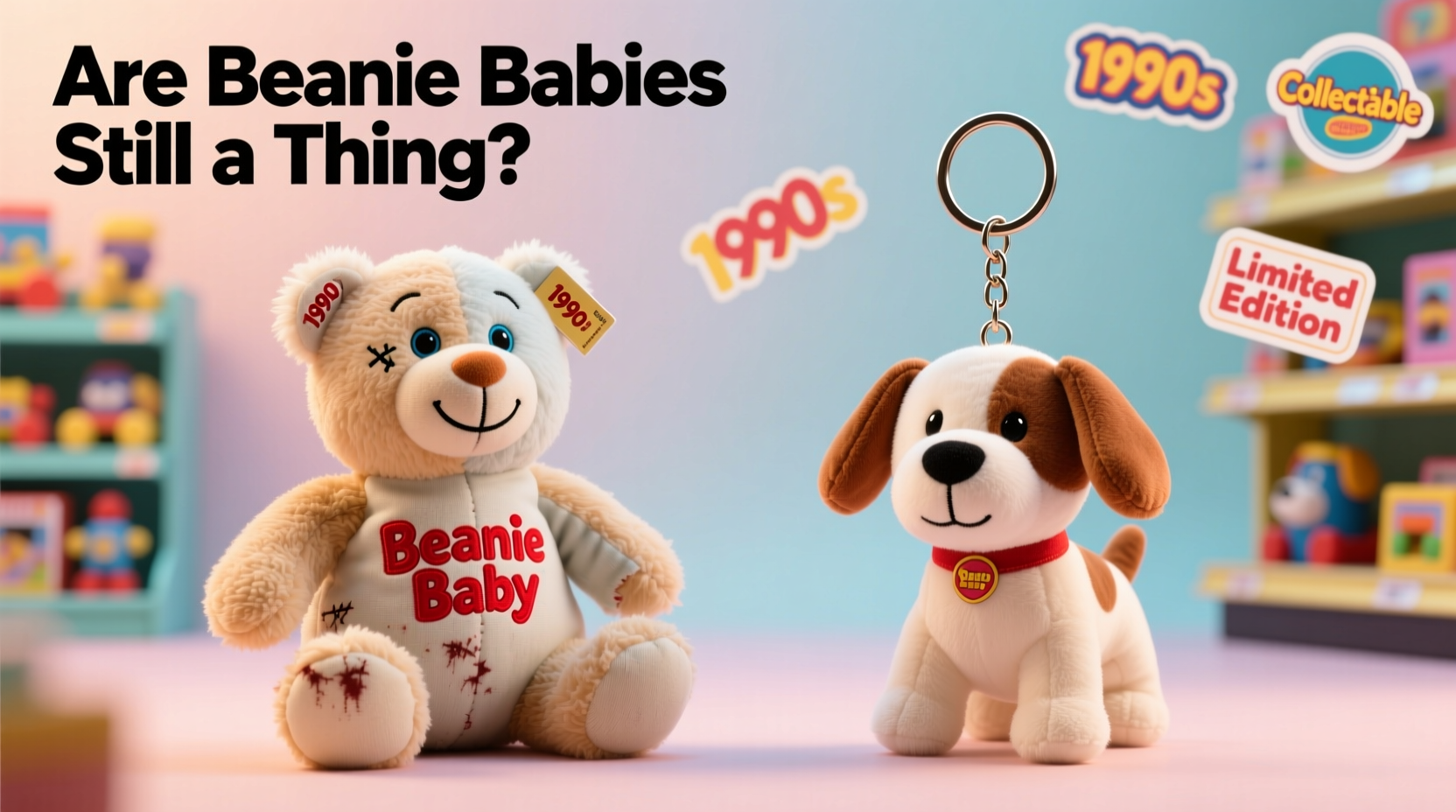
Launched by Ty Inc. in 1993, Beanie Babies were more than just toys—they were status symbols, investment opportunities, and emotional keepsakes. Their limited production runs, retirement announcements, and whimsical names like “Patti the Platypus” and “Squealer the Pig” fueled a frenzy. By the late '90s, people were buying cases of Beanie Babies not to play with, but to resell. Some rare editions briefly sold for thousands of dollars.
But the bubble burst around 1999. Overproduction, market saturation, and shifting consumer interests led to a steep decline. What was once a speculative craze became a garage sale staple. Yet, Beanie Babies never fully disappeared. A dedicated collector base remained, online marketplaces kept trading alive, and Ty continued releasing new versions—even reissuing retired ones.
“Collecting isn’t just about value—it’s about memory. For many, Beanie Babies represent childhood, family moments, or simpler times.” — Dr. Lila Chen, Cultural Historian at Boston University
Dog Plush Keychains: The Modern Miniature Companion
Today’s plush scene is defined by practicality and personalization. Dog plush keychains—small, durable, and often hyper-realistic—are everywhere. From kawaii-style poodles to dachshunds wearing tiny hats, these accessories serve multiple roles: decoration, stress relievers, sentimental gifts, and even fashion statements clipped to backpacks or purses.
Unlike Beanie Babies, most dog plush keychains aren’t marketed as collectibles with resale potential. Instead, they emphasize design, cuteness, and utility. Many are made with soft polyester, plastic eyes, and reinforced stitching to withstand daily wear. Brands like Sanrio, Squishmallows, and independent Etsy creators have elevated the category beyond mere trinkets.
Comparing the Two: Nostalgia vs. Functionality
While both Beanie Babies and dog plush keychains are stuffed animals, their purposes and audiences differ significantly. The table below outlines key differences:
| Feature | Beanie Babies | Dog Plush Keychains |
|---|---|---|
| Era | 1990s–early 2000s peak; niche today | 2010s–present; growing trend |
| Primary Use | Collecting, display, nostalgia | Accessories, comfort, decoration |
| Average Size | 6–10 inches | 2–5 inches |
| Attachment | None (standalone) | Keyring or clip included |
| Target Audience | Collectors, adults, nostalgic buyers | Teens, young adults, pet lovers |
| Resale Value | Potentially high (rare retirements) | Low (unless designer or limited edition) |
| Material | Polyester, plastic pellets | Polyester, synthetic fur, sometimes recycled fill |
The contrast is clear: Beanie Babies are rooted in emotional and historical value, while dog plush keychains thrive on aesthetics and everyday usability.
Are Beanie Babies Still a Thing?
Yes—but not in the way they once were. They’re no longer a mainstream obsession, but they haven’t vanished. According to eBay’s 2023 Collectibles Report, vintage Beanie Babies accounted for over $18 million in sales that year, with rare pieces like “Valentino the Bear” fetching up to $2,500 in mint condition with original tags.
Several factors keep Beanie Babies alive:
- Nostalgia-driven demand: Millennials and Gen Xers are revisiting childhood favorites.
- Pop culture references: TV shows and influencers occasionally spotlight Beanie Baby collecting.
- New releases: Ty continues to produce special editions for holidays and partnerships.
- Online communities: Reddit’s r/Beanielist, Facebook groups, and collector forums remain active.
However, most current purchases are sentimental rather than speculative. Few expect to get rich from a secondhand Peanut the Elephant anymore. Instead, people buy them to complete sets, gift to children, or relive memories.
Real Example: A Collector’s Journey
Sarah Kim, a 34-year-old graphic designer from Portland, started collecting Beanie Babies at age eight. Her mother bought her a “Bubbles the Dolphin” during a hospital stay, and the toy became a comfort object. She stopped collecting in high school but rediscovered her stash during a move in 2020.
“I found the box in my parents’ attic,” she recalls. “Most were dusty, but Bubbles was still intact. I listed a few duplicates online and was shocked when one sold for $75. That sparked my return. Now I have a display shelf with 40+ originals and a few reissues.”
Sarah doesn’t expect to profit long-term, but she enjoys the community and the tactile joy of holding something from her past. Recently, she bought a miniature corgi keychain for her work bag. “It’s cute, but it’s not sacred like Bubbles,” she says. “Different roles for different plushes.”
Choosing Between Them: A Practical Checklist
Not sure which option suits your needs? Use this checklist to decide:
- Are you looking for an investment? → Lean toward vintage Beanie Babies with proof of rarity.
- Do you want something portable? → Choose a dog plush keychain with a sturdy clip.
- Is nostalgia important? → If you grew up in the '90s, a Beanie Baby may hold deeper meaning.
- Will it be handled daily? → Opt for a keychain designed for durability.
- Do you care about aesthetic trends? → Keychains offer more variety in colors, breeds, and styles.
- Are you gifting to a child? → A washable, soft keychain is safer and more functional.
Frequently Asked Questions
Can I still buy new Beanie Babies?
Yes. Ty Inc. still manufactures Beanie Babies, including throwback designs and new characters. You can find them on Amazon, Walmart, Target, and the official Ty website. However, most are aimed at casual buyers, not serious collectors.
Are dog plush keychains safe for kids?
Most are safe, but check for small parts like plastic eyes or weak seams. Look for products labeled “non-toxic” and “child-safe.” Avoid giving small plush items to toddlers under three due to choking hazards.
How do I verify a valuable Beanie Baby?
Check for the original swing tag, tush tag (with date and product number), and mint condition. Research the specific name and retirement date. Use collector guides or consult forums like BeanieCollector.com. Third-party grading services like PSA also authenticate high-value pieces.
Final Thoughts: Sentiment Versus Style
Beanie Babies and dog plush keychains represent two eras of plush culture. One emerged from a feverish collecting craze, the other from a desire for charm and convenience. Neither has replaced the other—they coexist, serving different emotional and practical needs.
Beanie Babies endure as relics of a unique moment in consumer history, cherished for their symbolism and nostalgia. Dog plush keychains reflect modern tastes: compact, expressive, and integrated into daily life. Whether you’re hunting for a retired Spot the Dog or clipping a fluffy golden retriever to your keys, both options offer warmth in a world that often feels too digital and distant.




 浙公网安备
33010002000092号
浙公网安备
33010002000092号 浙B2-20120091-4
Comments
No comments yet. Why don't you start the discussion?