
Dogs communicate through behavior, and when your dog starts shivering and panting simultaneously, it’s natural to feel concerned. While occasional trembling or heavy breathing can be normal—especially after exercise or in cold weather—persistent or unexplained episodes may signal an underlying issue. Understanding the potential causes behind these symptoms is crucial for timely intervention and proper care.
This article explores the physiological and environmental factors that may lead to shivering and panting in dogs, highlights warning signs that require immediate veterinary attention, and provides practical guidance for dog owners navigating this common but often alarming situation.
Common Causes of Shivering and Panting in Dogs
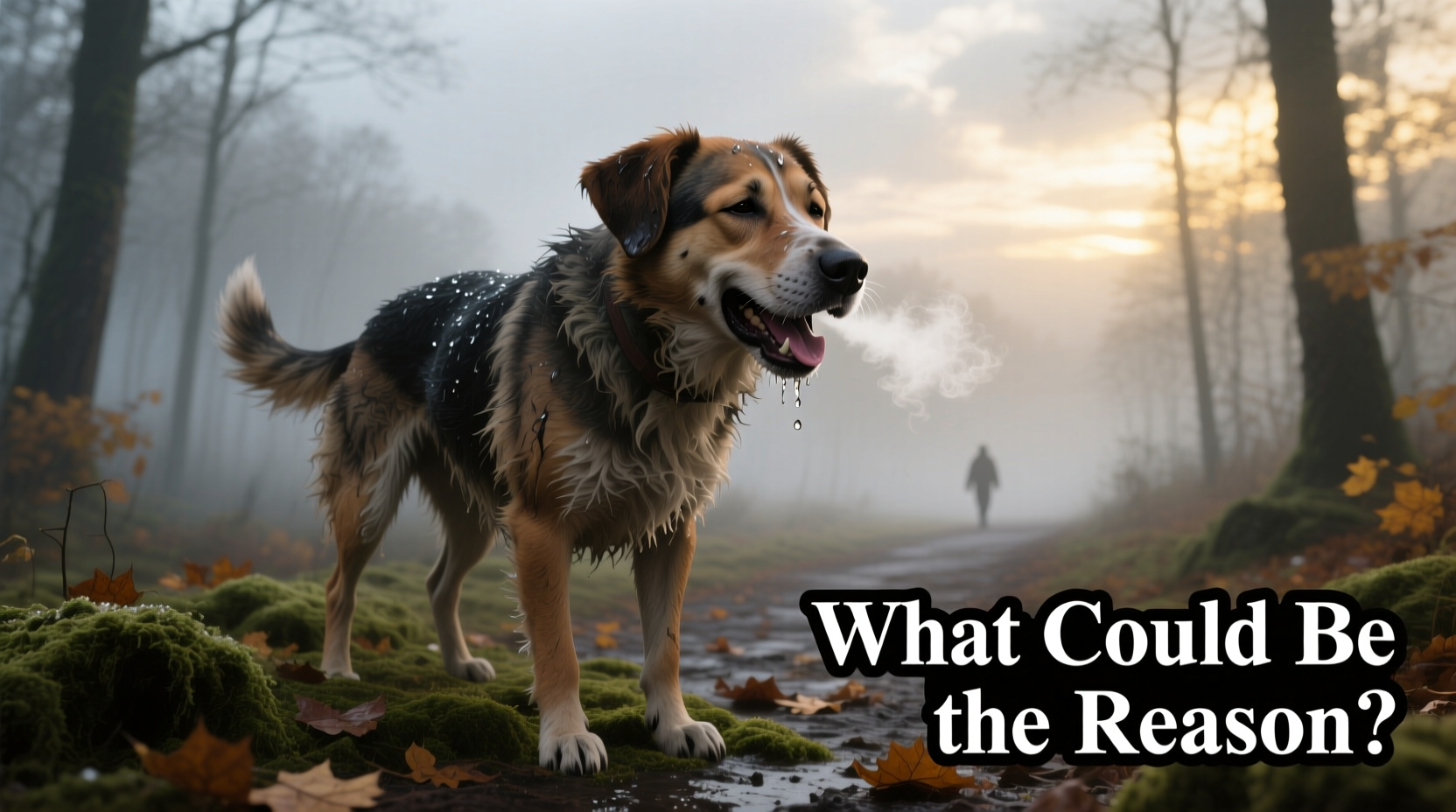
Shivering and panting are both physical responses controlled by the autonomic nervous system. While they serve different primary functions—shivering generates heat and panting helps regulate body temperature—their simultaneous occurrence often points to stress, discomfort, or illness.
- Cold exposure: Dogs, especially those with short coats or low body fat, may shiver to generate warmth. Panting in cold conditions is less common but can occur if the dog is anxious or over-exerted.
- Anxiety or fear: Thunderstorms, fireworks, travel, or unfamiliar environments can trigger intense stress responses, including full-body tremors and rapid breathing.
- Pain or injury: Internal pain (e.g., abdominal discomfort, arthritis) or trauma can manifest as shivering and panting. These behaviors may be subtle indicators before more obvious signs appear.
- Infection or fever: Elevated body temperature from infections like parvovirus, distemper, or urinary tract infections can cause both symptoms.
- Toxic ingestion: Consuming toxic substances such as chocolate, xylitol, or household chemicals can lead to neurological and metabolic disturbances.
Medical Conditions Linked to Both Symptoms
When shivering and panting persist without an obvious trigger, medical evaluation becomes essential. Several serious conditions present with this combination:
1. Hypoglycemia (Low Blood Sugar)
Especially common in small breeds and puppies, hypoglycemia can cause weakness, shaking, disorientation, and rapid breathing. Immediate feeding of a sugar source (like honey on the gums) can help stabilize the dog temporarily.
2. Addison’s Disease (Hypoadrenocorticism)
This endocrine disorder affects the adrenal glands’ ability to produce cortisol and aldosterone. Symptoms include lethargy, vomiting, shivering, and excessive panting. It often presents intermittently, making diagnosis challenging without blood testing.
“Addison’s disease is sometimes called ‘the great imitator’ because its symptoms mimic so many other conditions. Persistent unexplained shivering and panting should prompt adrenal function testing.” — Dr. Laura Bennett, DVM, Internal Medicine Specialist
3. Neurological Disorders
Seizures, vestibular disease, or spinal issues can lead to involuntary muscle contractions and altered breathing patterns. Dogs may appear confused, lose balance, or show nystagmus (rapid eye movement).
4. Heart or Respiratory Disease
Conditions like congestive heart failure or tracheal collapse impair oxygen delivery, causing compensatory panting. The stress of labored breathing can induce shivering.
5. Heatstroke
In hot environments, dogs rely on panting to cool down. However, when overheated, they may begin shivering due to muscle fatigue or neurological distress. This is a life-threatening emergency requiring immediate cooling and veterinary care.
When to Seek Veterinary Help: A Checklist
Not every episode requires an emergency visit, but certain red flags demand urgent attention. Use this checklist to assess severity:
- Shivering and panting lasting more than 30 minutes without relief
- Difficulty breathing or blue-tinged gums
- Vomiting, diarrhea, or refusal to eat
- Weakness, collapse, or inability to stand
- History of toxin exposure or trauma
- Body temperature above 103.5°F (39.7°C) or below 99°F (37.2°C)
- Seizure activity or disorientation
Step-by-Step Guide: Responding to Shivering and Panting at Home
If your dog exhibits these symptoms, follow this timeline to ensure safety and gather critical information for your vet:
- Stay calm and observe (0–5 minutes): Your reaction influences your dog’s stress level. Note the onset, duration, and any triggers (e.g., loud noise, new food).
- Check vital signs (5–10 minutes): Take your dog’s temperature rectally using a digital thermometer. Normal range is 100.5–102.5°F (38–39.2°C). Also check gum color—pink is normal; pale, blue, or yellow indicates trouble.
- Provide a safe environment (10–15 minutes): Move your dog to a quiet, temperature-controlled space. Offer water if they’re alert and able to drink.
- Assess for other symptoms (15–20 minutes): Look for limping, vomiting, coughing, or swelling. Note any recent changes in diet, medication, or activity.
- Contact your veterinarian (within 30 minutes): Share your observations, including video footage if possible. Follow their instructions—some cases require immediate transport.
Preventive Measures and Long-Term Management
While not all causes of shivering and panting are preventable, proactive care reduces risk and improves outcomes:
| Factor | Do’s | Don’ts |
|---|---|---|
| Temperature Regulation | Provide warm bedding in winter; use cooling mats in summer | Avoid leaving dogs in extreme temperatures |
| Stress Reduction | Use calming aids (thundershirts, pheromone diffusers) during storms | Don’t force exposure to fear-inducing situations |
| Diet & Toxins | Keep toxic foods out of reach; feed balanced meals | Never allow unsupervised access to garbage or plants |
| Health Monitoring | Schedule biannual vet checkups; track behavior changes | Ignore subtle shifts in energy or appetite |
Real-Life Example: Managing Anxiety-Induced Episodes
Milo, a 4-year-old Chihuahua, began shivering and panting uncontrollably during a thunderstorm. His owner initially thought he was cold and wrapped him in a blanket, but the symptoms worsened. After recording a video and calling the vet, she learned that Milo was experiencing a severe anxiety response. The vet recommended a calming protocol including a prescription anti-anxiety medication for acute episodes and long-term behavioral training. Within weeks, with consistent desensitization exercises and environmental adjustments, Milo’s reactions became far less intense.
This case illustrates how identifying the root cause—rather than just treating symptoms—leads to effective management.
Frequently Asked Questions
Is it normal for older dogs to shiver and pant more?
Some increase in trembling and panting can occur with age due to arthritis, cognitive decline, or reduced temperature regulation. However, significant changes should always be evaluated by a vet to rule out conditions like heart disease or Cushing’s syndrome.
Can medications cause shivering and panting?
Yes. Certain drugs, including corticosteroids (like prednisone), sedatives, and some pain medications, can cause side effects such as restlessness, tremors, and increased respiratory rate. Always discuss potential side effects with your veterinarian.
How can I tell if my dog is panting due to pain?
Pain-related panting is often shallow, rapid, and accompanied by other signs: reluctance to move, guarding a body area, whining, or changes in posture (e.g., hunched back). Unlike post-exercise panting, it doesn’t resolve with rest.
Conclusion: Prioritize Awareness and Action
Shivering and panting in dogs are not inherently dangerous, but they are meaningful signals. Interpreting them correctly requires attention to context, frequency, and accompanying symptoms. As a responsible pet owner, your vigilance can make the difference between a minor incident and a serious health crisis.




 浙公网安备
33010002000092号
浙公网安备
33010002000092号 浙B2-20120091-4
Comments
No comments yet. Why don't you start the discussion?