
As temperatures drop indoors—especially in drafty homes or during winter months—many pet owners reach for dog clothing to keep their companions warm. Sweaters and vests are two of the most popular options, but they serve different purposes. While both can help maintain body heat, understanding when and why to use each is key to your dog’s comfort and well-being. The real question isn’t just which one to choose, but whether your dog needs both—and under what circumstances.
Understanding Your Dog’s Need for Indoor Warmth
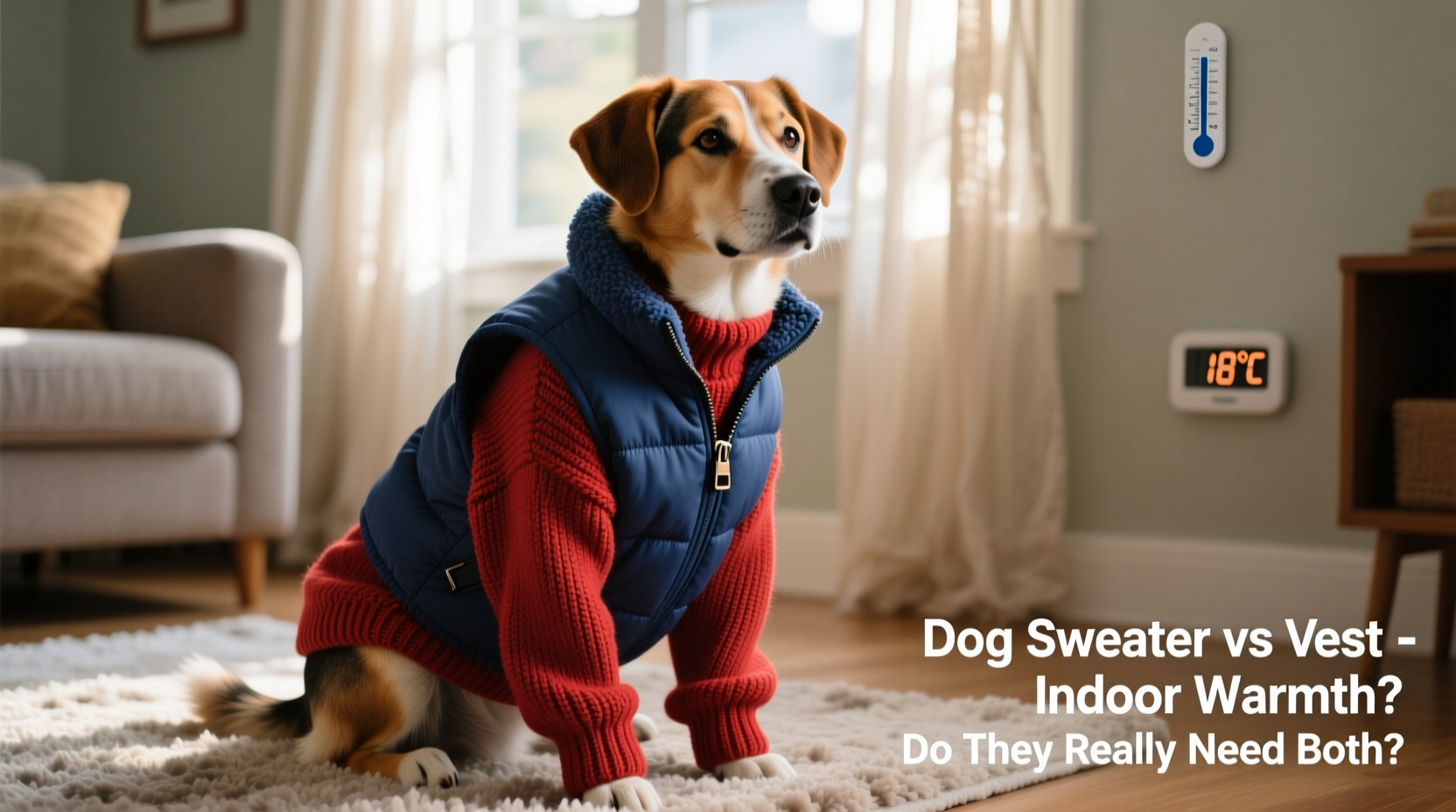
Dogs, like humans, vary in their sensitivity to cold. Breeds with thin coats—such as Chihuahuas, Greyhounds, or Italian Greyhounds—are more prone to feeling chilly indoors, especially if the thermostat is set below 68°F (20°C). Older dogs, puppies, and those with health conditions like arthritis may also benefit from added warmth. However, not every dog requires clothing inside the house.
Indoor environments typically don’t require heavy insulation, so lightweight garments made from breathable materials like cotton, bamboo, or soft fleece are ideal. Overdressing a dog can lead to overheating, discomfort, or even skin irritation. The goal is thermal regulation, not excessive bundling.
“Many small and short-coated breeds lose body heat quickly. A light layer indoors can prevent shivering and support joint health in colder months.” — Dr. Lena Reyes, DVM, Small Animal Specialist
Sweater vs Vest: Key Differences and Uses
While both sweaters and vests provide insulation, their design and function differ significantly. Knowing these distinctions helps determine which is better suited for indoor use—and whether owning both makes sense.
| Feature | Dog Sweater | Dog Vest |
|---|---|---|
| Coverage | Covers torso, neck, and often shoulders | Covers core and chest; usually sleeveless |
| Warmth Level | Higher—full coverage retains more heat | Moderate—focused on vital organs |
| Mobility | Slightly restricted due to sleeves | Greater freedom of movement |
| Best For | Cold-sensitive dogs, nighttime wear, older pets | Daily indoor activity, transitional seasons |
| Material Options | Knit wool, acrylic, cashmere blends | Fleece, neoprene, padded synthetics |
A sweater wraps around the dog’s body with sleeves that go over the front legs, offering more comprehensive coverage. This makes it ideal for prolonged rest periods, such as sleeping or lounging near a drafty window. In contrast, a vest focuses on protecting the chest and abdomen—areas housing major organs—without restricting limb movement. Vests are often preferred for active dogs who move frequently indoors.
When Might Your Dog Need Both?
Having both a sweater and a vest isn't about redundancy—it's about situational flexibility. Consider this scenario: your dog spends mornings playing indoors wearing a lightweight vest for moderate warmth and unrestricted motion. As evening approaches and the house cools down, you switch to a soft sweater for deeper insulation during rest.
This layered approach works particularly well in homes with fluctuating temperatures or where heating is inconsistent. It also allows owners to adapt to seasonal transitions without over-relying on one garment type.
Additionally, some dogs respond differently to textures. A dog that resists tight knits might tolerate a snug vest better. Having both options gives you room to experiment and find what your pet accepts and benefits from most.
Real Example: Managing Arthritis in an Older Dachshund
Benny, a 10-year-old Dachshund from Portland, Oregon, suffers from early-stage arthritis. His owner noticed he was stiff and reluctant to jump onto the couch during winter evenings. After consulting her vet, she introduced a fleece vest for daytime use, allowing Benny to stay warm while remaining mobile. At night, she added a soft merino wool sweater when Benny curled up on his orthopedic bed.
Within two weeks, Benny showed improved mobility and spent less time shivering. His owner rotated the garments based on activity level and indoor temperature, proving that having both types enhanced comfort without causing overheating.
Choosing the Right Material and Fit
The effectiveness of any dog garment depends heavily on material and fit. Even the best-designed sweater or vest can cause discomfort if it’s too tight, too loose, or made from non-breathable fabric.
- Fleece: Lightweight, warm, and moisture-wicking—ideal for daily wear.
- Merino Wool: Naturally temperature-regulating and odor-resistant, excellent for sensitive skin.
- Cotton Blends: Soft and breathable, though less insulating than synthetic fibers.
- Neoprene: Typically used in therapeutic vests; provides compression and warmth.
Always measure your dog before purchasing. Use a soft tape measure around the neck, chest (widest part behind front legs), and length from base of neck to base of tail. Refer to brand sizing charts—never assume small, medium, or large fits universally.
“Poorly fitted clothing can restrict breathing, chafe the skin, or limit natural movement. Always allow two fingers to fit comfortably under any strap or neckline.” — Sarah Kim, Certified Canine Rehabilitation Therapist
Step-by-Step Guide: Introducing Clothing to Your Dog
Not all dogs accept clothing immediately. Follow this timeline to ensure a stress-free experience:
- Day 1–2: Let your dog sniff and explore the garment. Place it near their bed or feeding area.
- Day 3: Drape the item loosely over their back for 30 seconds. Reward with treats.
- Day 4–5: Fasten one closure (e.g., Velcro or snap) and immediately remove. Repeat with praise.
- Day 6–7: Fully dress your dog for 1–2 minutes. Monitor for signs of distress—panting, scratching, or attempts to escape.
- Week 2 onward: Gradually increase wear time by 5-minute increments until your dog tolerates it comfortably.
If your dog shows consistent resistance after two weeks, reconsider necessity. Some dogs simply do not need additional layers indoors.
Checklist: Do You Really Need Both a Sweater and a Vest?
- ✅ Does your dog have thin fur or low body fat?
- ✅ Is your home consistently below 68°F (20°C)?
- ✅ Does your dog show signs of being cold—shivering, seeking warmth, reluctance to lie on tile?
- ✅ Do they engage in varied indoor activities requiring different levels of warmth?
- ✅ Have you ruled out medical causes for cold sensitivity with your vet?
If you answered “yes” to three or more, owning both a sweater and a vest could be practical. Otherwise, one well-chosen garment may suffice.
Frequently Asked Questions
Can I leave a sweater or vest on my dog all day?
Only under supervision. Prolonged wear can lead to matting, pressure sores, or overheating. Remove garments during sleep unless specifically advised by a vet for medical reasons.
How often should I wash dog clothing?
Wash every 1–2 weeks or immediately if soiled. Use mild detergent and air dry to preserve elasticity and shape. Avoid fabric softeners, which can irritate skin.
Are there risks to overdressing my dog indoors?
Yes. Overheating can cause panting, restlessness, or heat stress—even in cool homes. Watch for excessive shedding, red skin, or lethargy, which may indicate discomfort.
Final Thoughts: Function Over Fashion
While cute dog sweaters abound in pet stores, prioritize function when choosing indoor wear. A well-fitted vest may be sufficient for most dogs in climate-controlled homes. However, for breeds or individuals with special needs—a senior dog with joint pain, a rescued greyhound adjusting to indoor life, or a puppy building body mass—having both a sweater and a vest offers adaptable warmth tailored to the moment.
The decision isn’t about following trends but responding to your dog’s physiology and environment. With thoughtful selection and proper introduction, these garments can enhance comfort, support health, and improve quality of life during colder months.




 浙公网安备
33010002000092号
浙公网安备
33010002000092号 浙B2-20120091-4
Comments
No comments yet. Why don't you start the discussion?