
Walk into any fashion boutique, accessory shop, or online marketplace today, and you’ll likely spot them: delicate doll pendants dangling from keyrings. From anime-inspired figures to vintage-style porcelain miniatures, these whimsical accessories have surged in popularity over the past few years. But beyond their undeniable charm, a practical question lingers—do doll pendant keychains offer real advantages over traditional metal or leather keychains, or are they simply a fleeting aesthetic trend?
The answer isn’t as simple as yes or no. While doll pendants bring personality and emotional value to everyday carry items, they also come with trade-offs in durability, function, and long-term usability. To understand whether they’re truly “better,” we need to examine not just how they look, but how they perform, endure, and integrate into daily life.
Design and Aesthetic Appeal: More Than Just Cute
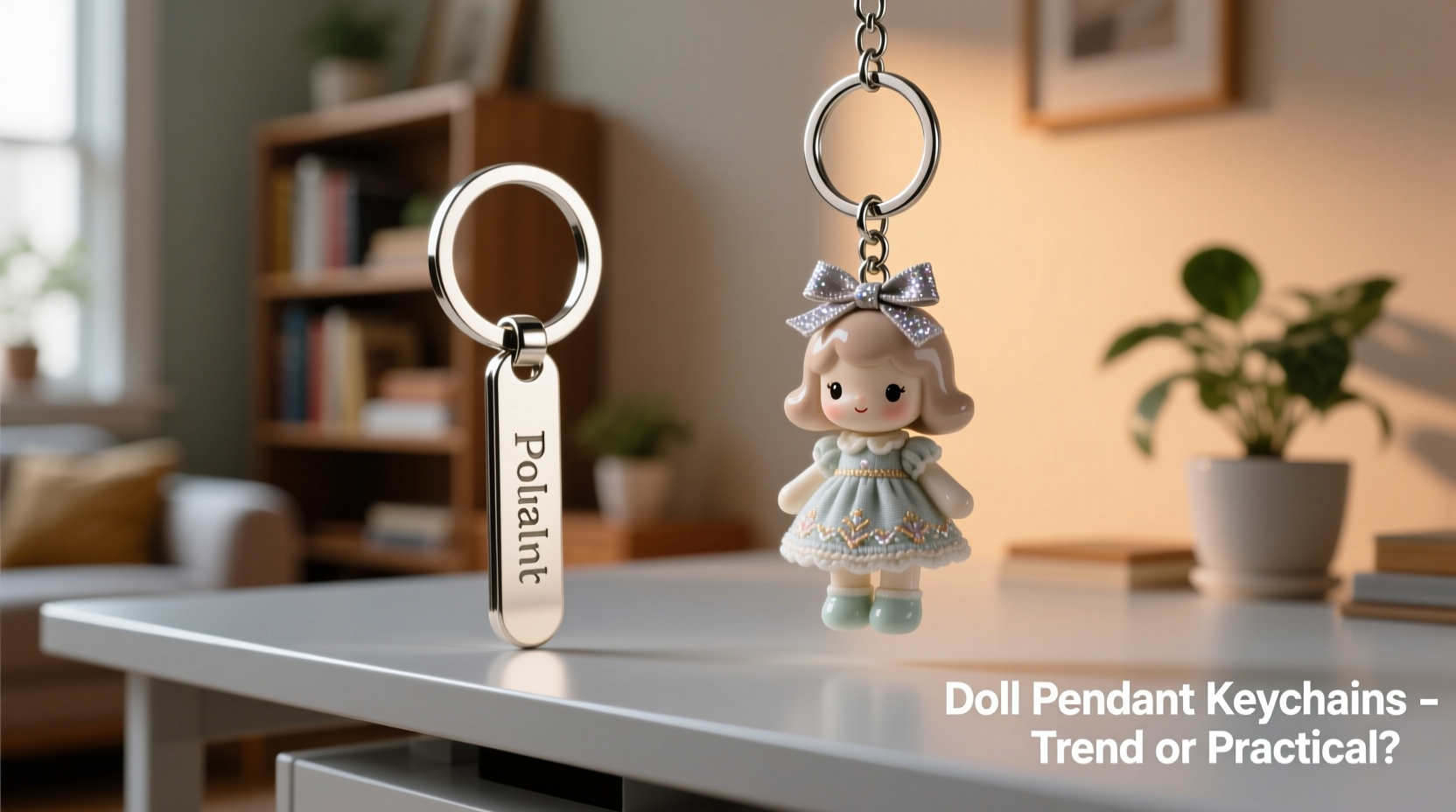
Doll pendant keychains stand out because of their artistic design. Unlike standard split-ring or carabiner keychains, which prioritize utility, doll pendants are crafted to express identity. Whether it’s a chibi version of a favorite character, a hand-painted ceramic fairy, or a resin goth angel, these pieces often reflect personal taste, fandom loyalty, or even nostalgic sentiment.
This emotional resonance is part of their appeal. According to Dr. Lena Torres, a cultural anthropologist specializing in consumer behavior:
“Personalized accessories like doll pendants serve as micro-extensions of self. They’re not just functional—they’re symbolic. In a world of mass-produced items, carrying something unique fosters a sense of individuality.” — Dr. Lena Torres, Cultural Anthropologist
For many users, attaching a small doll to their keys transforms a mundane object into a conversation starter or mood booster. It’s a tiny piece of art that travels with them, visible every time they unlock a door or reach for their bag.
Functionality vs. Fragility: The Practical Trade-Off
Aesthetics aside, functionality matters. Traditional keychains are built for resilience. Metal rings withstand drops, pressure, and constant jostling in pockets or bags. Leather key fobs age gracefully and resist wear. Doll pendants, on the other hand, are often made from fragile materials like resin, ceramic, or soft vinyl. These materials can crack, chip, or discolor over time—especially when exposed to moisture, heat, or impact.
Consider this scenario:
Mini Case Study: The Commuter’s Dilemma
Sophia, a 28-year-old graphic designer in Tokyo, bought a limited-edition anime doll keychain she loved. She used it daily for three months. By week ten, the paint began chipping at the edges. After accidentally dropping her keys on concrete, the doll’s arm snapped off. Though she repaired it with glue, the damage altered its appearance. “I still love it,” she said, “but I realize now it wasn’t made for rough handling.”
This example illustrates a common issue: doll pendants often sacrifice durability for beauty. They work best when treated as semi-jewelry rather than rugged tools.
Material Comparison: Doll Pendants vs. Standard Keychains
| Feature | Doll Pendant Keychains | Standard Keychains |
|---|---|---|
| Primary Materials | Resin, ceramic, vinyl, fabric | Stainless steel, aluminum, leather, silicone |
| Durability | Moderate to low; prone to breakage | High; resistant to drops and friction |
| Weight | Light to moderate (depends on size) | Light (metal), moderate (leather) |
| Weather Resistance | Poor (moisture can damage paint/resin) | Good to excellent |
| Aesthetic Customization | Very high (unique designs, characters) | Limited (engraving, color options) |
| Cost Range | $5–$50+ (collector’s editions higher) | $2–$30 |
As shown, standard keychains win in durability and practicality. Doll pendants excel in customization and emotional value but require careful handling.
When Doll Pendants Make Sense: Strategic Use Cases
Calling doll pendant keychains “better” depends entirely on context. For someone who values expression over endurance, they may be worth the risk. Here are situations where they shine:
- Fashion pairing: Matching a doll pendant to an outfit or bag adds a curated touch.
- Gift-giving: Personalized doll keychains make thoughtful presents for fans or collectors.
- Limited daily use: Attaching them to house keys used only at home reduces exposure to damage.
- Emotional support: Some users report that carrying a meaningful figure (e.g., a guardian angel or childhood toy replica) provides comfort.
However, they’re less ideal for heavy-duty environments—construction sites, hiking trips, or anyone who frequently drops their keys.
How to Maximize Longevity: A Care Guide
If you’ve invested in a doll pendant keychain and want it to last, follow this step-by-step care routine:
- Limit Exposure: Avoid using the pendant in rainy or humid conditions. Remove it before washing hands or swimming.
- Store Separately: Keep it in a soft pouch when not in use to prevent scratches.
- Clean Gently: Use a dry microfiber cloth to wipe dust. Never submerge in water.
- Inspect Monthly: Check for loose parts, cracks, or fading. Address minor damage early.
- Rotate Usage: Alternate between multiple keychains to reduce wear on any single one.
Are They a Trend or Here to Stay?
The rise of doll pendant keychains aligns with broader cultural shifts. Social media platforms like TikTok and Instagram have turned accessories into storytelling tools. Hashtags like #keychainaesthetic and #dollpendantcollectors boast millions of views, fueling demand. Limited-edition drops from brands like Banpresto, Good Smile Company, and indie Etsy artisans keep enthusiasts engaged.
Still, trends fade. What separates a fad from a lasting niche is adaptability. Doll pendants are evolving—some manufacturers now offer protective silicone cases, UV-resistant coatings, or modular designs where the doll can be detached easily. These innovations suggest the market is responding to durability concerns, indicating potential staying power.
They may never replace functional keychains entirely, but as hybrid items—part accessory, part keepsake—they’ve carved out a sustainable space in modern accessory culture.
FAQ: Common Questions About Doll Pendant Keychains
Can I repair a broken doll pendant?
Yes, minor breaks can often be fixed with super glue or epoxy resin. For painted details, use fine-tipped acrylic paints to restore color. However, structural damage may affect long-term stability.
Are doll pendants safe for kids?
Not always. Small parts can pose choking hazards, and fragile materials may shatter. If given to children, supervise use and opt for soft vinyl or silicone versions designed for toys.
Do they add too much bulk to my keys?
Some do. Larger pendants (over 2 inches) can make pocket carry uncomfortable or cause tangling. Consider size and shape when choosing—slimmer profiles integrate better with daily carry.
Final Verdict: Style With Responsibility
Doll pendant keychains aren’t inherently “better” than regular keychains—they’re different. They serve a distinct purpose: blending personal expression with utility. For those who prioritize aesthetics, emotional connection, or fandom pride, they offer value that goes beyond mere function.
But they demand mindfulness. Treating them like disposable fashion risks disappointment when they break. Instead, view them as delicate accessories—akin to wearing a watch or ring—that enhance your everyday carry without bearing the full brunt of it.
The smart approach? Use doll pendants selectively. Pair them with durable keyrings, rotate them seasonally, and appreciate them as wearable art. In doing so, you honor both their beauty and limitations.




 浙公网安备
33010002000092号
浙公网安备
33010002000092号 浙B2-20120091-4
Comments
No comments yet. Why don't you start the discussion?