
Keys are one of the few items nearly everyone carries daily. While functional by nature, they’ve become a canvas for personal expression. In recent years, two dominant aesthetics have emerged: dopamine keychains and minimalist keychains. One celebrates joy, color, and individuality; the other champions simplicity, utility, and restraint. Choosing between them isn’t just about looks—it reflects deeper values around intentionality, mental well-being, and lifestyle design.
This guide breaks down both styles, compares their strengths and trade-offs, and helps you decide which approach aligns with your needs—whether you're drawn to cheerful trinkets or sleek, silent efficiency.
The Rise of the Keychain as Personal Statement
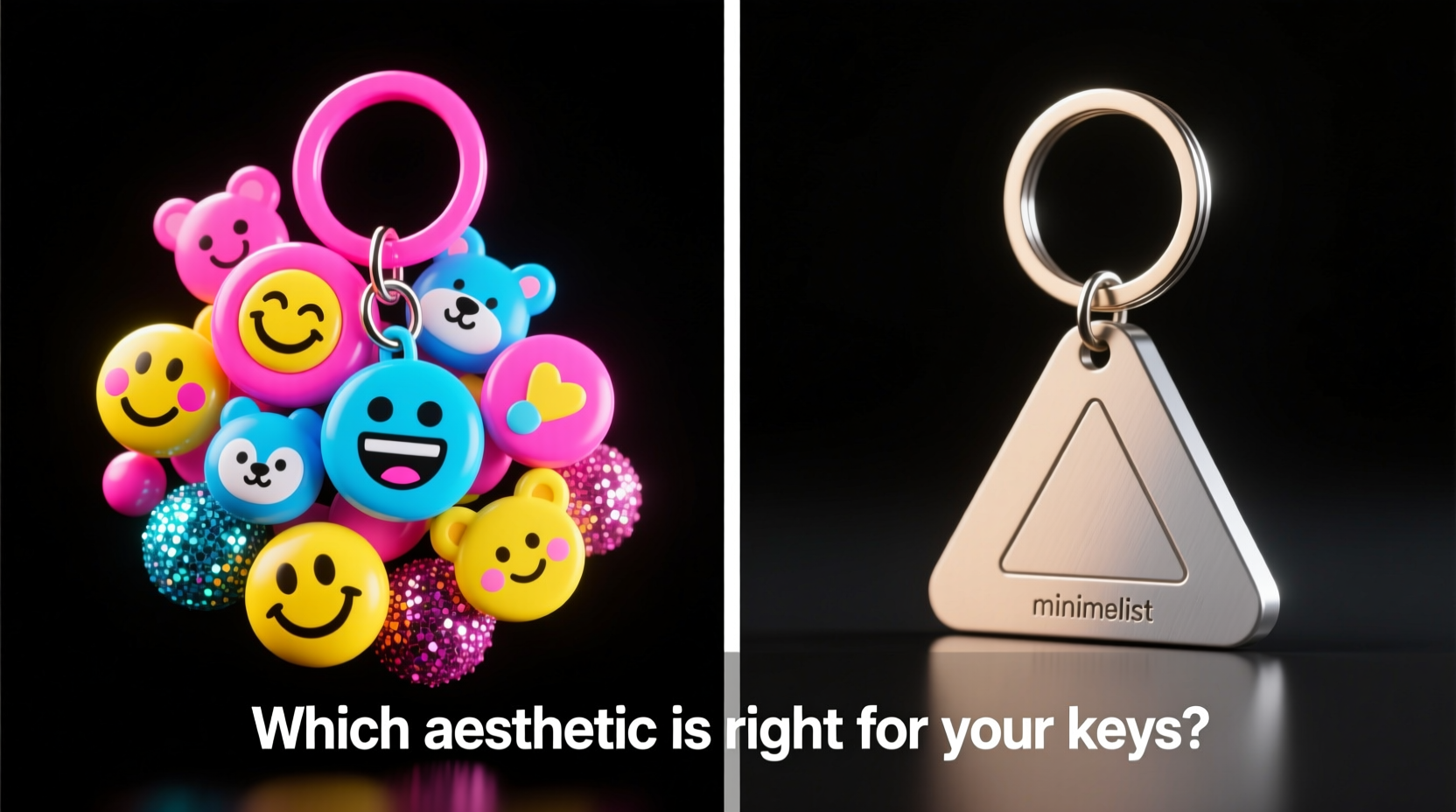
Once purely utilitarian, keychains have evolved into accessories that reflect identity. Social media platforms like TikTok and Instagram have amplified this shift, turning small metal rings into curated extensions of self-expression. The dopamine decor trend—characterized by bright colors, playful charms, and nostalgic objects—has spilled over into everyday carry items. At the same time, the minimalist movement continues to gain traction among those seeking clarity in a cluttered world.
What was once a simple split ring now holds symbolic weight. A single keychain can signal whether someone values emotional uplift, functional elegance, or a balance of both.
Dopamine Keychains: Joy on a Ring
Dopamine keychains are designed to spark delight. Named after the brain’s “feel-good” neurotransmitter, these keychains use vibrant colors, whimsical shapes, and sentimental trinkets to create micro-moments of happiness. Think tiny plush toys, enamel pins, acrylic charms shaped like food, or personalized letter tags spelling out names or affirmations.
These accessories thrive on sensory engagement. Holding your keys might remind you of a favorite anime, a childhood memory, or simply make you smile because it features a glittery sloth hanging upside down.
Psychologically, dopamine keychains tap into emotional anchoring. According to Dr. Lena Torres, a behavioral psychologist specializing in habit formation:
“Small, positive stimuli integrated into routine actions—like grabbing your keys—can reinforce emotional resilience throughout the day.” — Dr. Lena Torres, Behavioral Psychologist
For people managing stress, anxiety, or depression, these tactile reminders can serve as grounding tools. A charm representing a pet, a motivational word, or even a lucky symbol becomes more than decoration—it's an emotional touchstone.
Pros and Cons of Dopamine Keychains
| Aspect | Advantages | Drawbacks |
|---|---|---|
| Emotional Impact | Promotes positivity, nostalgia, and personal connection | May feel overwhelming or childish to some |
| Customization | Highly customizable with endless charm options | Risk of becoming cluttered or bulky |
| Functionality | Limited impact if kept light | Bulky chains can snag pockets, damage devices, or jam locks |
| Social Expression | Great conversation starter; reflects personality | May not suit professional environments |
Minimalist Keychains: Less Is More
In contrast, minimalist keychains focus on form, function, and quiet sophistication. These designs often feature clean lines, premium materials (such as titanium, aluminum, or leather), and compact organization. Brands like Nomatic, KeySmart, and Millytec specialize in slim, modular systems that consolidate keys without bulk.
The philosophy behind minimalism isn’t just visual—it’s practical. Fewer attachments mean less noise, reduced pocket wear, and smoother interactions with bags, coats, and door locks. A well-designed minimalist keychain should disappear into your routine while remaining effortlessly accessible.
For urban commuters, professionals, or frequent travelers, minimizing friction matters. As designer Marcus Lin explains:
“Good design removes obstacles. If your keys slow you down at airport security or dig into your thigh during a commute, they’re failing their primary job.” — Marcus Lin, Industrial Designer
Minimalist keychains also appeal to those practicing intentional living. By reducing excess, users cultivate awareness of what they truly need versus what merely adds visual noise.
When Minimalism Falls Short
While efficient, minimalist keychains can feel impersonal. Some users report missing the tactile satisfaction or emotional resonance of decorative elements. Additionally, high-end models can be expensive, and proprietary systems sometimes limit compatibility with non-standard keys.
Choosing What Fits Your Life: A Practical Framework
Deciding between dopamine and minimalist keychains shouldn’t be arbitrary. Consider these factors before investing time or money:
- Daily Environment: Do you work in a corporate office, creative studio, or remote setting? A neon squid may inspire colleagues in a design firm but raise eyebrows in a law office.
- Mobility Needs: How often do you travel? Minimalist organizers excel in airports and tight spaces.
- Emotional Triggers: Are you drawn to objects that comfort or motivate you? Sentimental value can outweigh sleekness.
- Pocket Real Estate: Bulky keychains wear out pockets, scratch phones, and add unnecessary weight.
- Longevity Goals: Do you want something lasting and repairable, or are you open to rotating seasonal charms?
Mini Case Study: Sarah’s Transition from Chaos to Balance
Sarah, a graphic designer in Portland, used to carry a jangling collection of 15+ charms—each tied to a memory or inside joke. While emotionally rich, her keychain frequently got caught in her purse lining, damaged her phone screen, and embarrassed her during client meetings.
After switching to a titanium key holder with only three essential keys and a single silicone \"sunshine\" charm (a gift from her niece), she reported feeling calmer and more organized. “I didn’t have to give up joy,” she said. “I just contained it better.”
Her solution blended minimalism’s efficiency with dopamine’s emotional core—a hybrid model growing in popularity.
Build Your Ideal Keychain: Step-by-Step Guide
Follow this process to design a keychain that works for you—not just trends:
- Inventory Your Keys: Remove duplicates and unused ones. Keep only what you access weekly.
- Assess Carry Habits: Do you keep keys in a bag, jacket, or pants pocket? Adjust size accordingly.
- Choose a Base System: Select either a compact organizer (for minimalism) or a sturdy split ring/carabiner (for charm stacking).
- Add Meaningful Elements: Attach up to three items with emotional significance—no more.
- Test for Function: Walk around with it for 24 hours. Does it snag? Make noise? Feel heavy?
- Refine Quarterly: Re-evaluate every few months. Rotate charms seasonally or remove worn-out parts.
Checklist: Building a Balanced Keychain
- ✅ Removed unused or duplicate keys
- ✅ Selected a reliable base (organizer or durable ring)
- ✅ Limited decorative elements to 1–3 meaningful pieces
- ✅ Ensured total weight is under 4 oz (115g)
- ✅ Verified no sharp edges or potential device scratches
- ✅ Tested ease of lock engagement (no fumbling)
Frequently Asked Questions
Can I mix dopamine and minimalist styles?
Absolutely. Many people use a streamlined key organizer and attach one colorful or sentimental charm. This balances practicality with personality without sacrificing function.
Are dopamine keychains unprofessional?
Context matters. In creative fields, they can enhance relatability and authenticity. In conservative industries, subtlety is preferred. When in doubt, opt for smaller, tasteful charms over large, noisy clusters.
Do minimalist keychains last longer?
Generally, yes. High-quality minimalist systems use aerospace-grade metals and engineered mechanisms that resist wear. However, cheap imitations may fail quickly. Invest in reputable brands with warranties.
Final Thoughts: Align Your Keys With Your Values
Your keychain doesn’t just hold keys—it reflects how you navigate the world. If joy, spontaneity, and emotional connection define your outlook, a thoughtfully curated dopamine keychain can elevate your daily rhythm. If clarity, efficiency, and quiet confidence matter most, minimalism offers a refined alternative.
The best choice isn’t one-size-fits-all. It’s the one that feels authentic, functions smoothly, and supports your lifestyle without compromise. Whether you lean toward radiant charm clusters or silent titanium precision, let your keys represent intention—not impulse.




 浙公网安备
33010002000092号
浙公网安备
33010002000092号 浙B2-20120091-4
Comments
No comments yet. Why don't you start the discussion?