
When it comes to kitchen waste management, the debate between double bins and open trash cans isn’t just about aesthetics—it’s a practical conversation about hygiene, convenience, and long-term usability. Open bins are often praised for their accessibility and minimalist design, but they also carry a reputation for being “gross.” Meanwhile, double-bin systems promise better organization and odor containment. But is the stigma around open bins justified? Or are we overestimating the risks? Let’s examine the real differences, backed by science, user habits, and expert insight.
The Hygiene Reality of Open Trash Cans
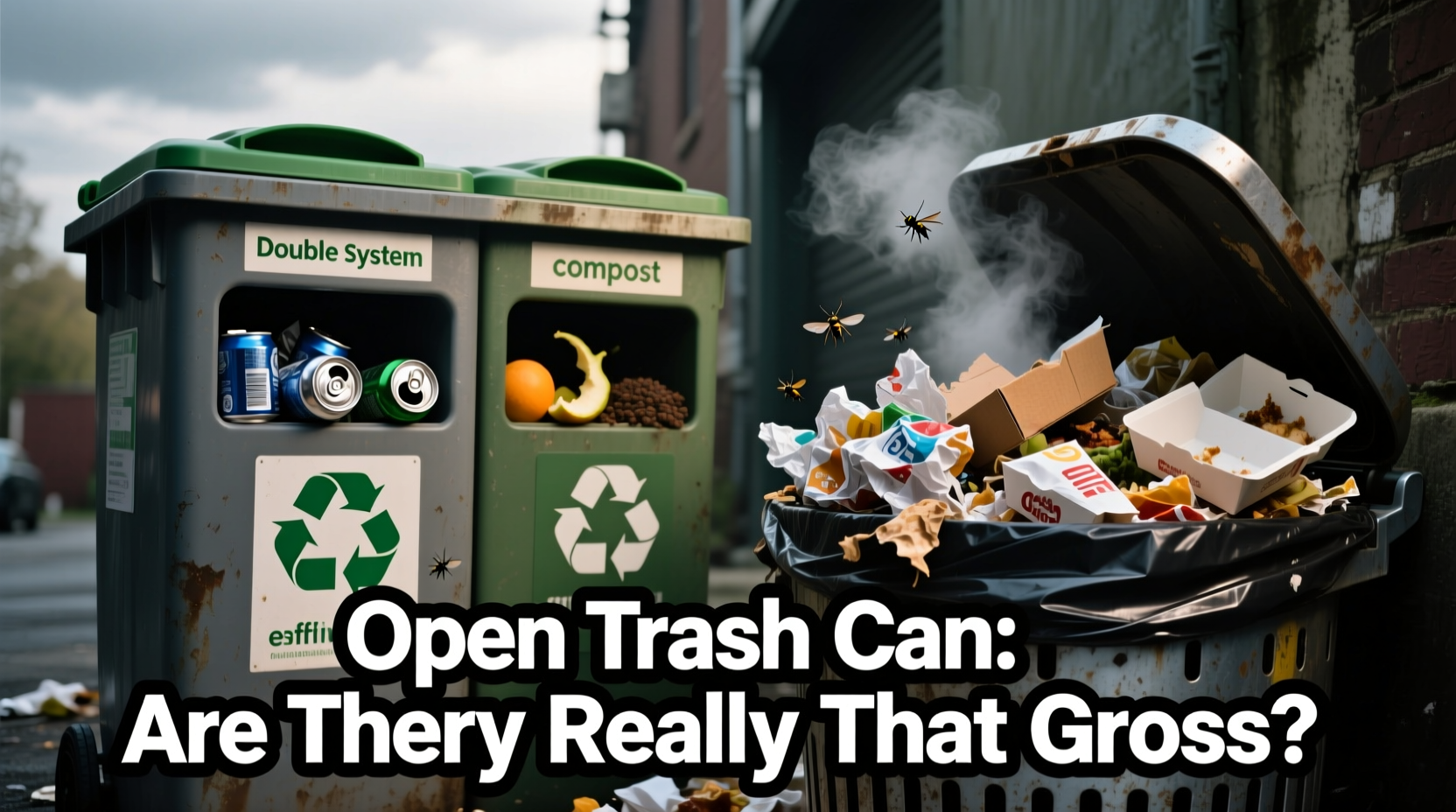
Open trash cans expose waste directly to the air and surrounding surfaces. Without a lid, food scraps, coffee grounds, and used tissues are constantly in contact with ambient bacteria, insects, and moisture. According to Dr. Lena Patel, a microbiologist specializing in household environments, “An uncovered bin can become a breeding ground for mold and bacteria within 24 to 48 hours, especially in warm or humid climates.”
Fruit flies, ants, and even cockroaches are more likely to be attracted to open containers. A study published in the *Journal of Environmental Health* found that uncovered kitchen bins had up to three times more microbial load than sealed alternatives after just one week of regular use.
“Leaving organic waste exposed is like leaving a welcome sign for pathogens. It doesn’t take long for contamination to spread to nearby countertops or utensils.” — Dr. Lena Patel, Microbiologist
Double Bin Systems: Organization vs Overcomplication?
A double bin setup typically separates recyclables from general waste—or wet waste from dry—right at the source. This promotes better sorting habits and reduces cross-contamination. For households aiming to recycle efficiently or compost food scraps, this system streamlines the process.
However, double bins aren't automatically cleaner. If both compartments are open-topped, the same hygiene issues persist. The advantage lies not in the number of bins, but in how they’re managed. Sealed or foot-operated double bins with liners significantly improve cleanliness and user experience.
The main trade-off is space. Double units require more under-cabinet room and can feel cumbersome in smaller kitchens. But for those serious about reducing landfill waste and maintaining order, the investment pays off.
Key Benefits of Double Bins:
- Encourages consistent recycling and composting
- Reduces odor mixing between waste types
- Limits direct hand contact when using pedal lids
- Improves long-term waste disposal habits
Odor Control: Open vs Covered
One of the most common complaints about open bins is persistent odor. Even with frequent bag changes, residual smells from stuck-on food or damp liners can linger. In contrast, covered bins—especially those with charcoal filters or tight seals—can contain odors far more effectively.
But not all covered bins are created equal. A poorly ventilated sealed bin may trap moisture and accelerate decomposition, creating a stronger stench when finally opened. The ideal solution balances airflow control with easy cleaning access.
“Airtight isn’t always better. You want enough ventilation to prevent anaerobic decay, but enough sealing to block airborne particles and smells.” — Mark Tran, Home Appliance Engineer
Odor Management Comparison
| Feature | Open Bin | Covered/Double Bin |
|---|---|---|
| Odor Exposure | High – constant air contact | Low – contained when closed |
| Waste Decomposition Rate | Moderate (exposed to oxygen) | Variable (depends on seal quality) |
| Filter Options | Rarely available | Common (charcoal, HEPA) |
| Cleaning Frequency Needed | Daily recommended | Every 2–3 days acceptable |
| Insect Attraction | High | Low to moderate |
Real-World Case: The Minimalist Kitchen Dilemma
Sophie, a freelance designer living in Portland, prided herself on her sleek, handle-free kitchen. She opted for a brushed steel open bin tucked beside her island—not for convenience, but because it matched her aesthetic. Within two weeks, she noticed fruit flies near her coffee station and a faint sour smell each morning.
After consulting a home hygiene blog, she switched to a two-tiered, sensor-lid double bin—one side for compost, one for landfill—placed in the same spot. Though slightly bulkier, the sealed design eliminated pests and reduced odor dramatically. “I missed the look,” she admitted, “but I love not worrying about what’s growing in there.”
This scenario reflects a broader trend: design-forward choices often compromise functionality until users adapt based on lived experience.
Step-by-Step: Transitioning from Open to Smart Waste Management
If you're reconsidering your current trash setup, follow this sequence to make a seamless shift:
- Evaluate your waste streams: Do you produce compostable scraps, recyclables, or hazardous waste (batteries, oils)?
- Measure available space: Confirm cabinet or corner dimensions before purchasing a new unit.
- Choose a dual-compartment model: Prioritize foot pedals or touchless lids for hygiene.
- Label each bin clearly: Use icons or text to avoid confusion among household members.
- Establish a cleaning schedule: Wipe interiors weekly; deep-clean monthly with vinegar or mild bleach solution.
- Monitor results: Track odor levels, pest activity, and usage consistency over four weeks.
Checklist: Is Your Trash System Working for You?
- ✅ Empty frequency matches waste volume (no overflow)
- ✅ No visible mold, slime, or insect activity
- ✅ Odors dissipate quickly after emptying
- ✅ Recycling and compost are properly separated
- ✅ Bin is easy to clean and access
- ✅ Lid closes securely (if applicable)
- ✅ Placement doesn’t obstruct workflow
FAQ: Common Questions About Trash Can Hygiene
Are open trash cans unhygienic in apartments or small homes?
They can be, especially in compact spaces where airflow is limited. Without proper ventilation and daily maintenance, bacteria and odors concentrate more quickly. In shared or high-density living environments, covered bins are strongly recommended.
Can I make an open bin safer without replacing it?
Yes. Use tightly tied inner liners, empty the bin daily, and clean it with a disinfectant spray. Placing a small air purifier nearby or using odor-absorbing gels (like baking soda or activated charcoal) can also help mitigate risks.
Do double bins actually increase recycling rates?
Studies suggest yes. A 2021 municipal waste survey found that households with built-in dual bins recycled 38% more consistently than those using single or mixed containers. Convenience and visibility play key roles in shaping behavior.
Conclusion: Balancing Design, Hygiene, and Practicality
The question isn’t whether open bins are inherently “gross”—it’s whether their drawbacks outweigh their benefits in your specific environment. For fast-paced households, urban dwellers, or anyone prioritizing cleanliness, double-bin systems with sealed compartments offer superior hygiene, odor control, and long-term usability. Open bins can work, but only with rigorous maintenance and low organic waste output.
Ultimately, the best trash system is one that supports healthy habits without friction. Whether you choose sleek minimalism or functional efficiency, let evidence—not just aesthetics—guide your decision.




 浙公网安备
33010002000092号
浙公网安备
33010002000092号 浙B2-20120091-4
Comments
No comments yet. Why don't you start the discussion?