
Choosing the right trash can for your home might seem like a minor decision, but it can significantly impact daily convenience, cleanliness, and even environmental responsibility. As kitchen design and waste management habits evolve, the debate between double bin and single bin trash cans has gained traction. While single bins have long been the standard, double compartment models are increasingly popular—especially in homes focused on organization, recycling, or space efficiency. But is the upgrade truly worth it?
The answer depends on your lifestyle, available space, and long-term goals for household management. This article breaks down the real advantages and drawbacks of both systems, backed by practical insights and user experiences, so you can make an informed choice that aligns with your needs.
Understanding the Core Differences
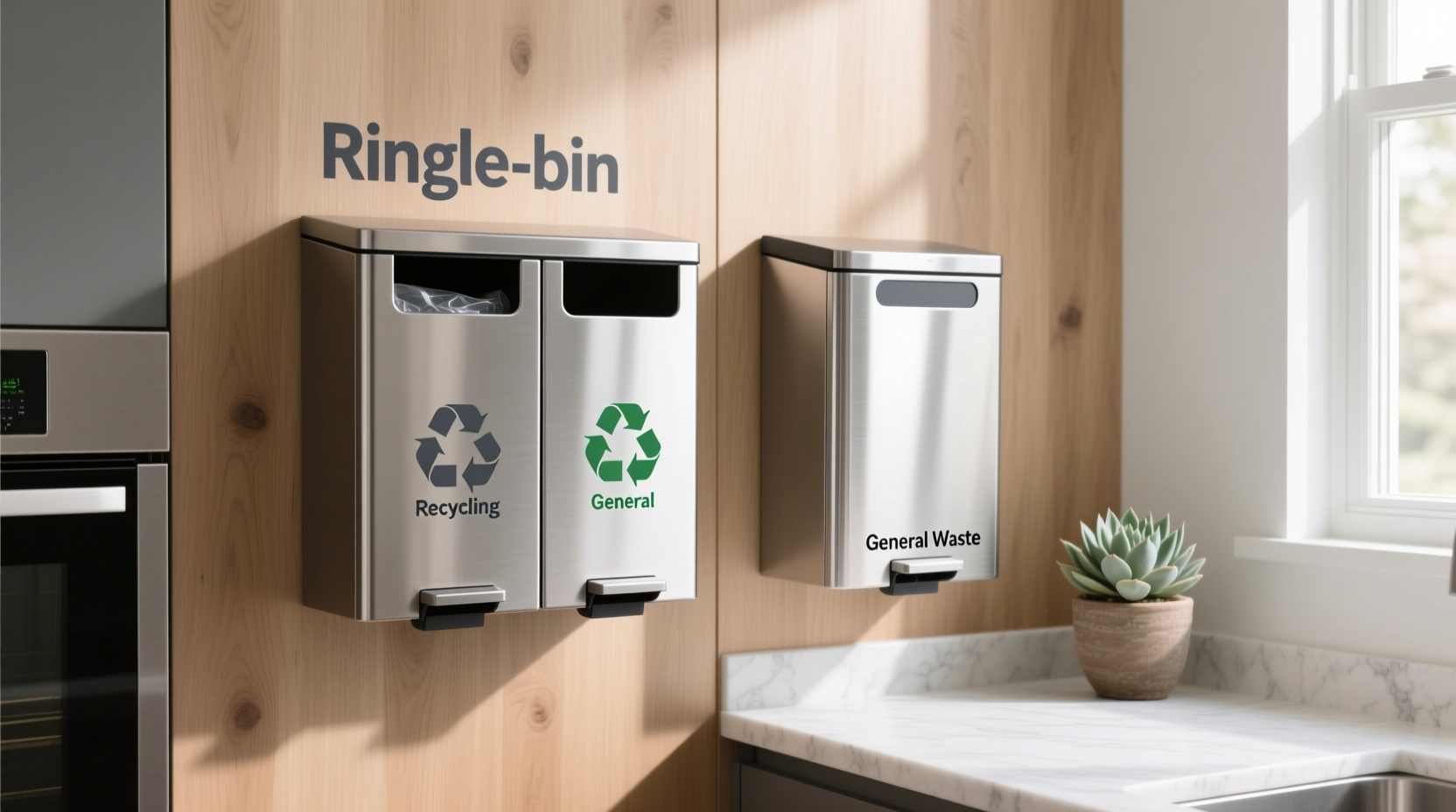
A single bin trash can is exactly what it sounds like: one large receptacle designed to hold all household waste. It’s simple, compact, and typically more affordable. In contrast, a double bin model divides the container into two separate compartments—often side-by-side or stacked—allowing users to segregate waste at the source.
This separation is usually intended for:
- General waste vs. recyclables (paper, plastic, metal)
- Compostable food scraps vs. non-organic trash
- Dry waste vs. wet waste (common in zero-waste households)
The physical design varies: some double bins are built as a single unit with two lids, while others consist of two independent bins housed in a shared cabinet-style frame. The flexibility of sorting immediately reduces cross-contamination and streamlines disposal routines.
Functional Comparison: When Two Compartments Make Sense
Not every household benefits equally from a dual-compartment system. However, certain scenarios make the switch highly advantageous.
Kitchens with Active Recycling Habits
In homes where residents consistently recycle, having a dedicated bin eliminates the need for multiple standalone containers. Instead of carrying sorted materials across the house, everything is managed at the point of disposal. This convenience increases compliance—especially among children or guests unfamiliar with local recycling rules.
Small Living Spaces
Apartment kitchens or compact homes often lack room for multiple freestanding bins. A well-designed double bin consolidates two functions into one footprint, preserving valuable floor or under-sink space. Models with pull-out drawers or pedal-operated lids maximize usability without clutter.
Households Pursuing Sustainability Goals
For eco-conscious families aiming to reduce landfill contributions, a double bin supports composting and recycling efforts. According to the EPA, nearly 75% of the American waste stream is recyclable, yet only about 30% is actually recycled. Easy access to sorting bins at the source can improve participation rates significantly.
“Having a dual-waste system in the kitchen removes friction from sustainable habits. When separation is effortless, people do it consistently.” — Dr. Lena Torres, Environmental Behavioral Scientist
Performance and Maintenance: What Users Report
Real-world feedback reveals clear patterns in satisfaction levels between single and double bin owners.
Single bin users appreciate simplicity and lower cost but frequently report issues with odor control and messy mixing of wet and dry waste. Juice boxes, coffee grounds, and food-soiled packaging often leak into paper recyclables when tossed together, rendering entire batches unusable.
Double bin users, meanwhile, praise improved hygiene and reduced mess—but note that maintenance demands increase. Two compartments mean twice the cleaning, bag replacement, and attention to fill levels. Poorly designed models may also suffer from awkward access, uneven capacity distribution, or difficulty removing inner buckets.
Common Pain Points with Double Bins
- Limited capacity in each side, requiring more frequent emptying
- Bulkier units that don’t fit under standard sinks
- Higher initial cost compared to basic single bins
- Difficulty replacing liners if compartments aren’t removable
Side-by-Side Comparison Table
| Feature | Single Bin Trash Can | Double Bin Trash Can |
|---|---|---|
| Footprint | Compact, fits most spaces | Larger; may require custom cabinetry |
| Waste Separation | None (unless using separate bins) | Integrated sorting capability |
| Maintenance Effort | Low – one liner, one clean | Moderate to high – two liners, two cleans |
| Cost | $15–$40 | $40–$120+ |
| Suitability for Recycling | Poor without additional bins | Excellent with proper labeling |
| Odor Control | Challenging with mixed waste | Better when organics are isolated |
| Long-Term Value | Basic utility | Higher if sustainability is a priority |
Mini Case Study: The Miller Family’s Kitchen Upgrade
The Millers, a family of four in Portland, Oregon, used a single 13-gallon trash can under their sink for years. Despite intentions to recycle, contamination was common—plastic lids stuck to yogurt cups, greasy pizza boxes mixed with clean cardboard. Their recycling bin often ended up in the trash due to improper sorting.
After attending a city-led workshop on reducing landfill waste, they invested in a stainless steel double bin with pull-out drawers: one side for general waste, the other for recyclables. Within three weeks, their recycling output increased by 40%, and kitchen odors decreased noticeably since food scraps were contained separately.
“We didn’t realize how much we were throwing away until we saw how fast the trash side filled up,” said Sarah Miller. “Now the kids know exactly where things go. It’s become second nature.”
Step-by-Step Guide to Choosing the Right System
Follow this process to determine whether a double bin suits your household:
- Assess Your Waste Patterns: Track what you throw away for one week. How much is recyclable? Is there significant food waste?
- Evaluate Available Space: Measure under-sink clearance or intended placement area. Ensure the unit allows for easy lid operation and bucket removal.
- Define Your Goals: Are you trying to recycle more? Reduce odor? Simplify cleanup? Match the bin type to your objective.
- Test a Temporary Setup: Use two small bins labeled for different waste types. If you use both consistently after two weeks, a permanent double bin makes sense.
- Select Based on Quality: Prioritize durable materials (stainless steel, BPA-free plastic), smooth mechanisms, and removable inner buckets for cleaning.
Frequently Asked Questions
Can I convert my single bin into a double bin setup?
Yes—many manufacturers offer divider kits or dual-liner inserts that split a single can into two sections. However, these solutions are less effective than true dual-bin models with separate lids and access points.
Do double bins really increase recycling rates?
Studies show they do. A 2022 University of Colorado study found that households using integrated dual bins recycled 27% more than those relying on separate standalone containers, primarily due to ease of access.
Are double bin trash cans harder to clean?
They require slightly more effort since there are two compartments, but models with removable buckets and smooth interiors make cleaning manageable. Choose designs with minimal crevices to prevent grime buildup.
Final Recommendation: Who Should Upgrade?
A double bin trash can isn’t essential for every home, but it delivers tangible benefits for specific users. Consider upgrading if:
- You already recycle regularly or want to start
- You generate organic waste (coffee grounds, fruit peels, etc.)
- Space constraints limit additional bins
- You value kitchen organization and cleanliness
- Your municipality offers curbside recycling or compost pickup
For occasional users or those in very tight quarters, a high-quality single bin with a well-managed external recycling station may still be the better option.
Conclusion: Making the Right Choice for Your Home
The question isn’t whether double bin trash cans are universally superior—it’s whether they align with your daily habits and long-term goals. For many, the ability to sort waste seamlessly within a single footprint transforms a mundane chore into a step toward a cleaner, more sustainable lifestyle. The upfront investment pays off in reduced mess, better hygiene, and higher recycling accuracy.
If you’re ready to simplify waste management and take control of what ends up in landfills, a double bin system could be the small change that makes a big difference. Evaluate your needs, test the concept, and choose a model built for durability and ease of use. The right trash can shouldn’t just hold waste—it should support the way you live.




 浙公网安备
33010002000092号
浙公网安备
33010002000092号 浙B2-20120091-4
Comments
No comments yet. Why don't you start the discussion?