
For runners, chafing isn’t just a minor annoyance—it can turn a rewarding run into an exercise in discomfort. One of the most common causes? Poorly designed or ill-fitting running shorts. As athletes increasingly prioritize performance gear, the debate between double layer and single layer running shorts has gained traction. Both styles claim to offer comfort and mobility, but when it comes to preventing chafing, which one truly delivers?
The answer isn’t as straightforward as choosing one over the other. It depends on your body type, running style, climate, and personal sensitivity. This article dives deep into the mechanics of chafing, compares fabric technologies, and provides actionable guidance so you can make an informed decision based on science and real-world experience.
Understanding the Science of Chafing
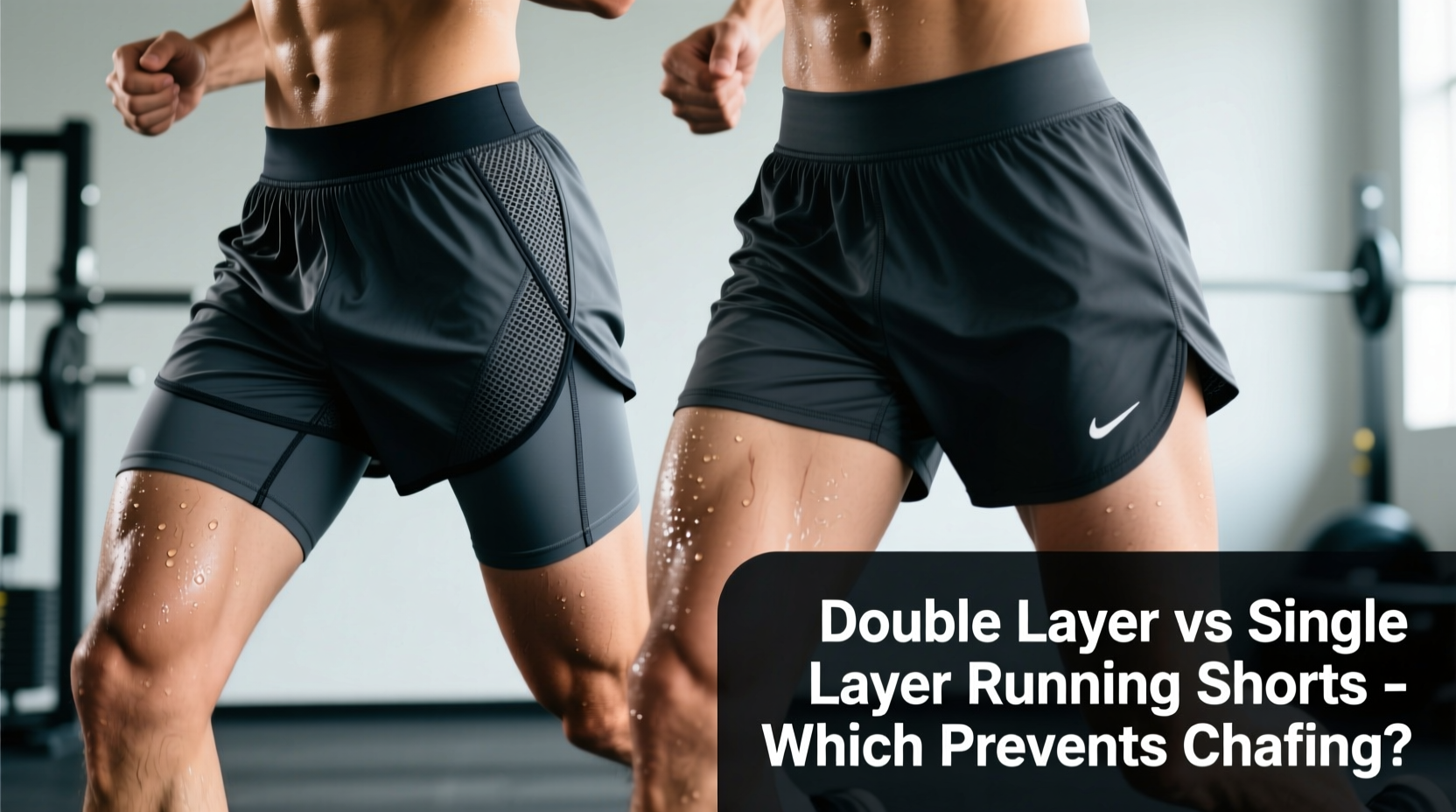
Chafing occurs when repetitive friction—often combined with moisture—irritates the skin. In runners, this typically happens along the inner thighs, under the arms, or around the waistband. Sweat increases skin slip, and loose fabric that folds or rubs can exacerbate the problem.
Running shorts aim to reduce this by managing two key factors: fabric movement and moisture wicking. The number of layers plays a crucial role. A single layer relies entirely on its material properties to minimize friction, while a double layer introduces structural separation between the outer shell and the inner liner.
According to Dr. Lena Torres, a sports dermatologist at the National Running Institute:
“Friction is cumulative. Even slight rubbing over miles adds up. The best preventive strategy combines proper fit, low-friction materials, and reduced skin-to-fabric contact.” — Dr. Lena Torres, Sports Dermatologist
Single Layer Running Shorts: Simplicity with Trade-offs
Single layer running shorts are typically made from lightweight, stretchable synthetic blends like polyester-spandex or nylon-elastane. They’re designed for minimalism—offering breathability, quick drying, and unrestricted movement.
Many elite runners prefer single layer designs because they feel less bulky and provide a closer-to-skin fit. However, their effectiveness in preventing chafing hinges on three factors:
- Fabric smoothness: High-thread-count knits reduce surface drag.
- Fit precision: Loose fabric flaps and creates friction; tight fabric restricts motion and traps heat.
- Inner seam placement: Flatlock or seamless construction avoids abrasive ridges near sensitive areas.
Some brands integrate anti-chafe zones using laser-cut edges or bonded seams, eliminating traditional stitching altogether. These innovations help, but they don’t fully eliminate risk for runners prone to thigh rub.
Double Layer Running Shorts: Built-in Protection
Double layer running shorts consist of two distinct components: an outer shell (often mesh or ventilated fabric) and an inner compression liner. This design physically separates the moving outer fabric from direct skin contact.
The inner liner serves multiple functions:
- Acts as a moisture-wicking base layer
- Provides muscle support through light compression
- Eliminates the need for separate underwear
- Reduces lateral movement of the outer short
Because the liner stays close to the skin and moves with the body, the outer shell glides over it instead of against bare skin. This layered barrier significantly reduces friction points—especially on long runs where fatigue increases stride inconsistency.
However, double layer shorts aren’t universally superior. Some runners find them warmer, heavier, or too restrictive. In hot, humid climates, the added fabric can trap heat unless ventilation is optimized.
Comparative Analysis: Key Differences at a Glance
| Feature | Single Layer | Double Layer |
|---|---|---|
| Weight | Lightest option | Moderate to heavy |
| Moisture Management | Excellent wicking if high-quality fabric | Dual-layer wicking; liner absorbs sweat first |
| Chafing Prevention | Depends on fit and fabric | High—inner liner acts as friction buffer |
| Ventilation | Superior airflow | Varies; mesh panels improve breathability |
| Support Level | Limited or none | Compression liner supports muscles |
| Best For | Speed workouts, warm weather, minimalists | Long runs, chafe-prone runners, cooler temps |
Real Runner Experience: A Case Study
Mark R., a recreational marathoner from Austin, Texas, struggled with persistent inner-thigh chafing during training. He initially blamed his technique or poor hygiene, but switching from single layer to double layer shorts changed everything.
“I was using a popular brand’s single layer short thinking lighter meant better,” he said. “But after 5 miles, I could feel the fabric catching on my skin. Once I tried a double layer model with a snug liner, the rubbing stopped—even in 90% humidity.”
His experience reflects a broader trend among mid-to-long-distance runners. While sprinters and track athletes often favor single layer designs for aerodynamics, endurance runners consistently report fewer chafing incidents with double layer options.
Choosing the Right Short: A Step-by-Step Guide
Selecting the ideal running short isn’t about following trends—it’s about matching function to your needs. Follow this sequence to make a data-driven choice:
- Assess your chafing history: Do you frequently experience irritation on runs over 5K? If yes, lean toward double layer.
- Evaluate your environment: Hot, dry climates favor single layer; humid conditions may benefit from the controlled microclimate of a liner.
- Test the fit: Try both types. The double layer should have a secure, compressive liner without pinching. Single layer shorts must lie flat without bunching.
- Check seam placement: Regardless of layer count, avoid shorts with vertical seams along the inner thigh.
- Run-test for at least 3 miles: Walk tests won’t reveal movement-related friction. Only a real run exposes flaws.
Action Checklist: Prevent Chafing in Any Running Short
Even the best-designed shorts can fail without proper usage. Use this checklist before every run:
- ✅ Apply anti-chafe balm to high-risk zones (inner thighs, underarms)
- ✅ Ensure shorts are clean and free of detergent residue (which stiffens fabric)
- ✅ Replace worn-out shorts—frayed seams increase friction
- ✅ Avoid cotton liners or underwear under non-compression shorts
- ✅ Wash with sport-specific detergent to maintain fabric integrity
Frequently Asked Questions
Can I wear underwear with single layer running shorts?
It’s not recommended. Adding underwear introduces extra seams and layers, increasing friction. Most single layer shorts lack an inner liner, so moisture control and fit suffer when worn with additional garments.
Do double layer shorts make you overheat?
Not necessarily. Many modern double layer shorts use ultra-lightweight liners and strategic mesh panels to maximize airflow. In fact, some runners find them cooler due to reduced skin exposure and minimized sweat buildup from constant rubbing.
Are there hybrid options available?
Yes. Some brands now offer \"convertible\" designs—single layer shorts with removable liners or integrated anti-chafe bands. These provide flexibility for different distances or weather conditions.
Final Recommendation: Match Your Mileage, Not Just Your Style
If you're logging short, fast runs in dry conditions and haven't experienced chafing, single layer shorts are likely sufficient—and possibly preferable for their agility and breathability.
But if you’re training for half-marathons or longer, live in a humid area, or have sensitive skin, double layer shorts offer a meaningful advantage. Their dual-component design directly addresses the root cause of chafing: skin-to-fabric friction. By introducing a protective barrier, they deliver consistent comfort over distance.
Ultimately, the best short is the one that lets you focus on your run—not the sting on your thighs.




 浙公网安备
33010002000092号
浙公网安备
33010002000092号 浙B2-20120091-4
Comments
No comments yet. Why don't you start the discussion?