
When choosing workout shorts, the decision often comes down to more than just style or brand. One of the most overlooked yet critical factors is construction—specifically, whether the shorts are single or double layered. This distinction affects breathability, support, chafing risk, and overall comfort during physical activity. For runners, gym-goers, and athletes alike, understanding the functional differences between these two designs can make a tangible difference in performance and long-term wearability.
The Anatomy of Workout Shorts: What Makes a Layer?
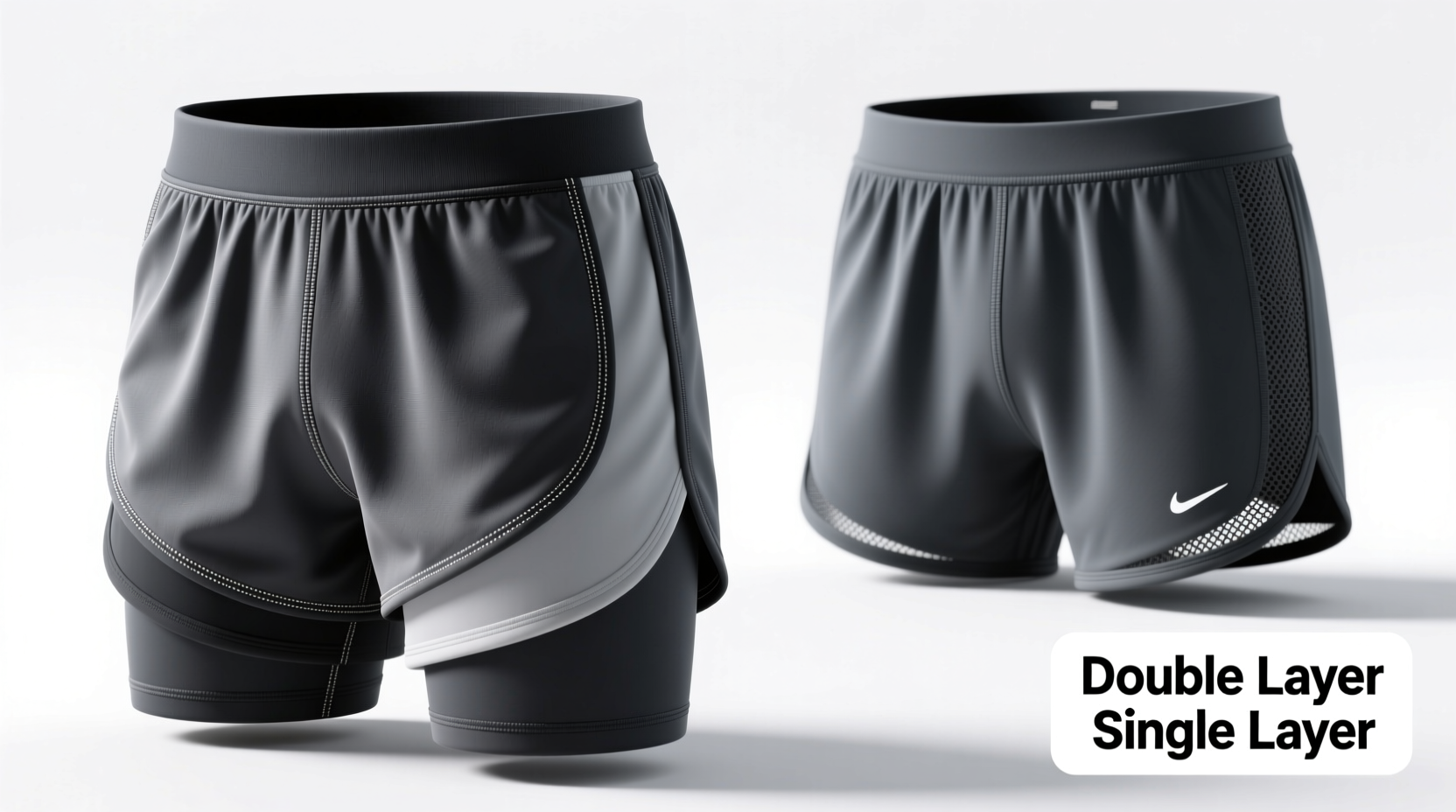
At its core, a \"layer\" in workout shorts refers to the fabric structure between your legs and the outer shell. Single-layer shorts consist of one continuous piece of fabric from waistband to hem. Double-layer shorts, on the other hand, feature an inner liner—often made of mesh or moisture-wicking material—that acts as built-in underwear.
This inner layer serves multiple purposes: it provides modesty, reduces friction, and offers light compression. However, not all activities benefit equally from this design. The choice depends on movement type, sweat levels, personal preference, and even climate.
Comfort & Fit: How Each Design Feels During Movement
Comfort is subjective, but certain patterns emerge based on user feedback and biomechanics. Single-layer shorts offer minimal coverage and maximum airflow. They tend to be lighter and less restrictive, making them ideal for high-heat environments or short-duration workouts like weightlifting or HIIT sessions.
However, without internal support, they can shift excessively during dynamic movements. Runners often report that single-layer models ride up or flap with each stride, leading to distraction or discomfort over time.
Double-layer shorts solve this issue with a snug inner liner that stabilizes the garment. The added structure prevents excessive movement, reducing the need to adjust mid-workout. Many users describe the sensation as “secure” rather than “tight,” especially when the liner uses four-way stretch fabric.
“From a biomechanical standpoint, stability in athletic apparel reduces micro-adjustments that waste energy over time.” — Dr. Lena Torres, Sports Ergonomics Researcher at Boulder Human Performance Lab
Performance Comparison: When to Choose Which
Different workouts demand different features. Here’s how each design performs across key categories:
| Criteria | Single-Layer Shorts | Double-Layer Shorts |
|---|---|---|
| Breathability | Excellent – minimal fabric allows maximum airflow | Good – mesh liners help, but extra layer traps some heat |
| Mobility | High – lightweight and unrestricted | Moderate to High – liner adds slight resistance but improves control |
| Chafing Risk | Higher – especially without additional liner | Lower – inner layer reduces skin-to-fabric friction |
| Sweat Management | Depends on fabric – often dries quickly | Better wicking if liner is technical fabric |
| Support Level | Minimal – relies on outer fit only | Enhanced – liner acts like built-in briefs |
| Best For | Gym workouts, casual wear, hot weather | Running, endurance training, long sessions |
The data suggests that while single-layer shorts excel in ventilation and simplicity, double-layer versions outperform in sustained activity due to their integrated functionality.
Real-World Example: A Runner’s Transition
Take Mark, a recreational runner who logs 15–20 miles weekly. He initially preferred single-layer basketball-style shorts for their loose fit and cool feel. But after completing his first half-marathon, he noticed persistent inner-thigh irritation and spent much of the final miles adjusting his shorts.
On the advice of a running coach, he switched to double-layer running shorts with a perforated mesh liner. Within two weeks, his comfort improved significantly. “I didn’t realize how much mental energy I was spending pulling my shorts down,” he said. “Now I just run.”
His experience reflects a broader trend: athletes engaged in repetitive-motion activities often benefit more from structured, supportive designs—even if they seem heavier at first glance.
How to Decide: A Step-by-Step Guide
Choosing between single and double-layer shorts doesn’t have to be guesswork. Follow this process to find your ideal match:
- Assess Your Primary Activity: Are you lifting, sprinting, jogging, or doing cross-training? High-mileage runners usually benefit from double layers; gym enthusiasts may prefer single.
- Evaluate Sweat Levels: Do you run hot? If so, prioritize breathable fabrics—but consider whether airflow outweighs the need for friction control.
- Test Liner Preferences: Have you worn compression shorts underneath before? If yes, you likely already enjoy the benefits of a double-layer system.
- Check Climate Conditions: In humid or tropical environments, moisture management becomes crucial. Look for double-layer models with laser-perforated liners.
- Try Before You Commit: Wear both types during similar workouts. Note any discomfort, shifting, or overheating after 30+ minutes of use.
Common Pitfalls to Avoid
- Assuming all double-layer shorts are bulky: Modern designs use ultralight liners that add function without weight.
- Ignoring seam placement: Even the best construction can fail if inner seams rub against sensitive areas. Flatlock stitching is preferable.
- Overlooking wash durability: Repeated laundering can degrade elastic in liners. Check care labels and opt for colorfast, shrink-resistant materials.
- Wearing the wrong size: Too-tight double-layer shorts restrict circulation; too-loose single-layer ones flap unnecessarily. Fit matters more than style.
Frequently Asked Questions
Can I wear underwear with double-layer shorts?
Generally, no. The inner liner is designed to function as built-in briefs. Adding underwear increases bulk, reduces breathability, and may cause moisture trapping or chafing. Most manufacturers explicitly advise against it.
Do single-layer shorts always require a liner?
Not necessarily. Some brands integrate anti-chafe coatings or use seamless construction to minimize irritation. However, if you’re prone to thigh rubbing or want modesty during deep squats, consider wearing separate compression gear underneath.
Are double-layer shorts hotter in summer?
They can be slightly warmer due to the extra fabric, but many modern versions use open-knit mesh that enhances ventilation. In fact, the reduction in skin friction often offsets any minor temperature increase, resulting in net comfort gain.
Final Verdict: Which Actually Feels Better?
There’s no universal answer—only what works best for your body and routine. That said, most users report greater satisfaction with double-layer shorts for anything beyond light or short-duration exercise. The combination of support, reduced adjustment, and chafe prevention delivers noticeable benefits over time.
Single-layer shorts remain excellent choices for lifters, yogis, or those prioritizing maximum airflow. Their minimalist design suits low-friction environments and quick sessions. But for anyone logging extended time on their feet, the structured comfort of a double layer tends to win out.
Ultimately, the “better-feeling” short is the one that lets you forget you’re wearing it. Whether that comes from featherlight freedom or secure containment depends on how you move, where you train, and what your skin tolerates.




 浙公网安备
33010002000092号
浙公网安备
33010002000092号 浙B2-20120091-4
Comments
No comments yet. Why don't you start the discussion?