
When choosing a tumbler for daily use—whether for coffee, iced tea, or water—the decision often comes down to construction: double-walled or single-walled. While both types serve the basic function of holding beverages, their design impacts temperature retention, durability, condensation, and even comfort in hand. The premium price of double-walled tumblers raises a valid question: is the added insulation truly worth the investment? The answer depends on your lifestyle, environment, and expectations from your drinkware.
How Tumbler Walls Work: The Science Behind Insulation
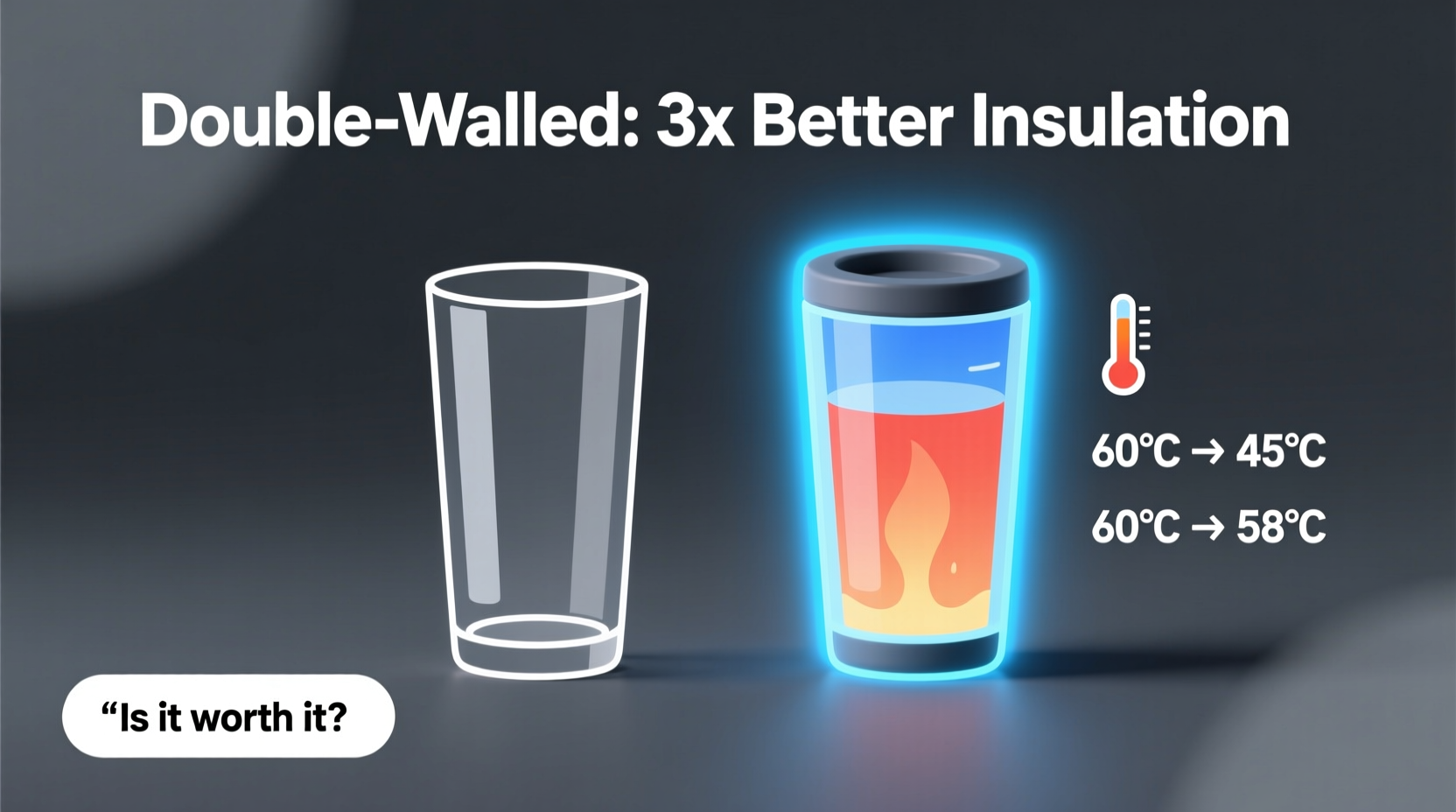
The key difference between single and double-walled tumblers lies in thermal engineering. A single-walled tumbler consists of one layer of metal (typically stainless steel) with no air gap. This design conducts temperature quickly—meaning hot drinks cool faster and cold drinks sweat more. In contrast, a double-walled tumbler features two layers of stainless steel with a vacuum-sealed space between them. This vacuum acts as a thermal barrier, significantly reducing heat transfer through conduction and convection.
Vacuum insulation is the same principle used in high-performance thermoses. It doesn’t eliminate temperature change but slows it dramatically. For example, a quality double-walled tumbler can keep coffee hot for 6–12 hours and ice cold for up to 24 hours. Single-walled versions may maintain temperature for only 1–3 hours before noticeable changes occur.
Performance Comparison: Real-World Use Cases
To understand which tumbler suits your needs, consider how you use it day-to-day. Are you commuting, working at a desk, hiking, or simply hydrating at home?
- Commuting & Office Use: Double-walled tumblers excel here. They prevent scalding hands from hot coffee and avoid creating wet rings on desks from condensation.
- Outdoor Activities: Hikers and campers benefit from extended temperature control, especially in extreme climates.
- Home or Light Use: If you finish drinks within an hour or two, a single-walled tumbler may be sufficient and more budget-friendly.
“Vacuum insulation isn’t just about keeping drinks hot or cold—it’s about consistency. That predictability matters when you’re on the move.” — Dr. Alan Zhou, Materials Scientist specializing in consumer thermals
Side-by-Side Comparison: Key Features at a Glance
| Feature | Single-Walled Tumbler | Double-Walled Tumbler |
|---|---|---|
| Temperature Retention (Hot) | 1–3 hours | 6–12+ hours |
| Temperature Retention (Cold) | 2–4 hours | 12–24+ hours |
| Condensation (Sweating) | Yes – exterior gets wet with cold drinks | No – vacuum prevents external moisture |
| Weight | Lighter | Slightly heavier due to dual walls |
| Durability | Good, but prone to dents | Higher structural rigidity |
| Average Price | $8–$15 | $20–$40+ |
| Best For | Short-term use, budget buyers | Daily drivers, commuters, outdoor use |
Mini Case Study: Sarah’s Morning Commute
Sarah, a project manager in Chicago, used a single-walled stainless tumbler for her morning coffee. She filled it at 7:00 AM before leaving home. By the time she arrived at the office at 8:30 AM—and walked into a meeting at 9:00 AM—her coffee was lukewarm. Worse, condensation soaked her laptop bag during the commute.
She switched to a double-walled 16 oz tumbler. Now, her coffee remains hot well past 11:00 AM, and the exterior stays dry even with iced drinks in summer. Though the tumbler cost $32—more than double her previous one—she considers it a worthwhile upgrade given her reliance on caffeine and mobile work style.
This scenario illustrates how insulation directly affects user experience beyond mere convenience. For people with long commutes, irregular schedules, or multi-tasking lifestyles, the performance gains justify the cost.
Is the Extra Insulation Worth It? Breaking Down the Value
The value of double-walled insulation hinges on frequency of use and personal tolerance for compromise. Consider these factors:
- Lifestyle Needs: If you're constantly on the go, insulation ensures your drink stays usable longer.
- Climate: In humid or hot environments, condensation from single-walled tumblers becomes a persistent nuisance.
- Long-Term Savings: Higher-quality double-walled tumblers often last longer, reducing replacement frequency.
- Eco-Impact: Durable, reusable insulated tumblers reduce reliance on disposable cups, aligning with sustainable habits.
While single-walled tumblers have their place—particularly as affordable backups or promotional items—they lack the functional advantages that make double-walled models popular among serious users. The “extra” insulation isn’t just marketing hype; it delivers measurable benefits in comfort, performance, and practicality.
Checklist: Choosing the Right Tumbler for You
- ✅ Assess how long you typically consume a beverage (under 2 hours vs. all morning).
- ✅ Determine if condensation has been an issue with past drinkware.
- ✅ Consider your environment (office, car, outdoors, gym).
- ✅ Check compatibility with lids, straws, and dishwashers.
- ✅ Evaluate budget vs. long-term usage (one $30 tumbler vs. three $12 ones over two years).
- ✅ Look for reputable brands with vacuum seal guarantees (e.g., lifetime warranties).
Frequently Asked Questions
Can single-walled tumblers be insulated?
Some single-walled tumblers come with silicone sleeves or plastic coatings that offer minor insulation and grip improvement. However, they don’t match the thermal performance of a vacuum-sealed double wall. These add-ons reduce heat transfer slightly but won’t prevent sweating or extend temperature retention significantly.
Do double-walled tumblers ever lose their vacuum?
Yes, though rare. If a double-walled tumbler is dropped hard on its base or exposed to extreme pressure changes, the vacuum seal can fail. Signs include condensation between the walls or reduced insulation. Most reputable brands offer warranties covering this defect.
Are there eco-friendly options in either category?
Absolutely. Both single and double-walled tumblers are typically made from food-grade stainless steel, which is recyclable and free of BPA. The environmental edge goes to double-walled models due to their longer lifespan and higher reuse rate, minimizing waste over time.
Final Verdict: Invest in Insulation for Daily Reliability
The choice between double-walled and single-walled tumblers ultimately reflects your priorities. If you value convenience, consistent drink temperature, and a clean, dry exterior, the double-walled design is objectively superior. The initial cost is higher, but so is the return in daily utility and longevity.
For occasional users or those on a tight budget, a single-walled tumbler can suffice. But for anyone relying on their drinkware multiple times a week—or who’s tired of lukewarm coffee and sticky cup holders—the upgrade to double-wall insulation isn’t just worth it; it’s transformative.




 浙公网安备
33010002000092号
浙公网安备
33010002000092号 浙B2-20120091-4
Comments
No comments yet. Why don't you start the discussion?