
When a recipe calls for fresh thyme but you only have dried in your spice cabinet, the question becomes practical and urgent: how much dried thyme should you use? The answer isn’t always straightforward, but understanding the science and culinary logic behind herb concentration can prevent under-seasoned stews or overpowering marinades. Dried thyme is a pantry staple valued for its longevity and robust flavor, yet its potency demands careful measurement. Misjudging the ratio between fresh and dried forms can compromise a dish’s balance. This guide provides precise conversions, explains the sensory differences, and delivers professional insights on when and how to use dried thyme effectively across cuisines.
Definition & Overview
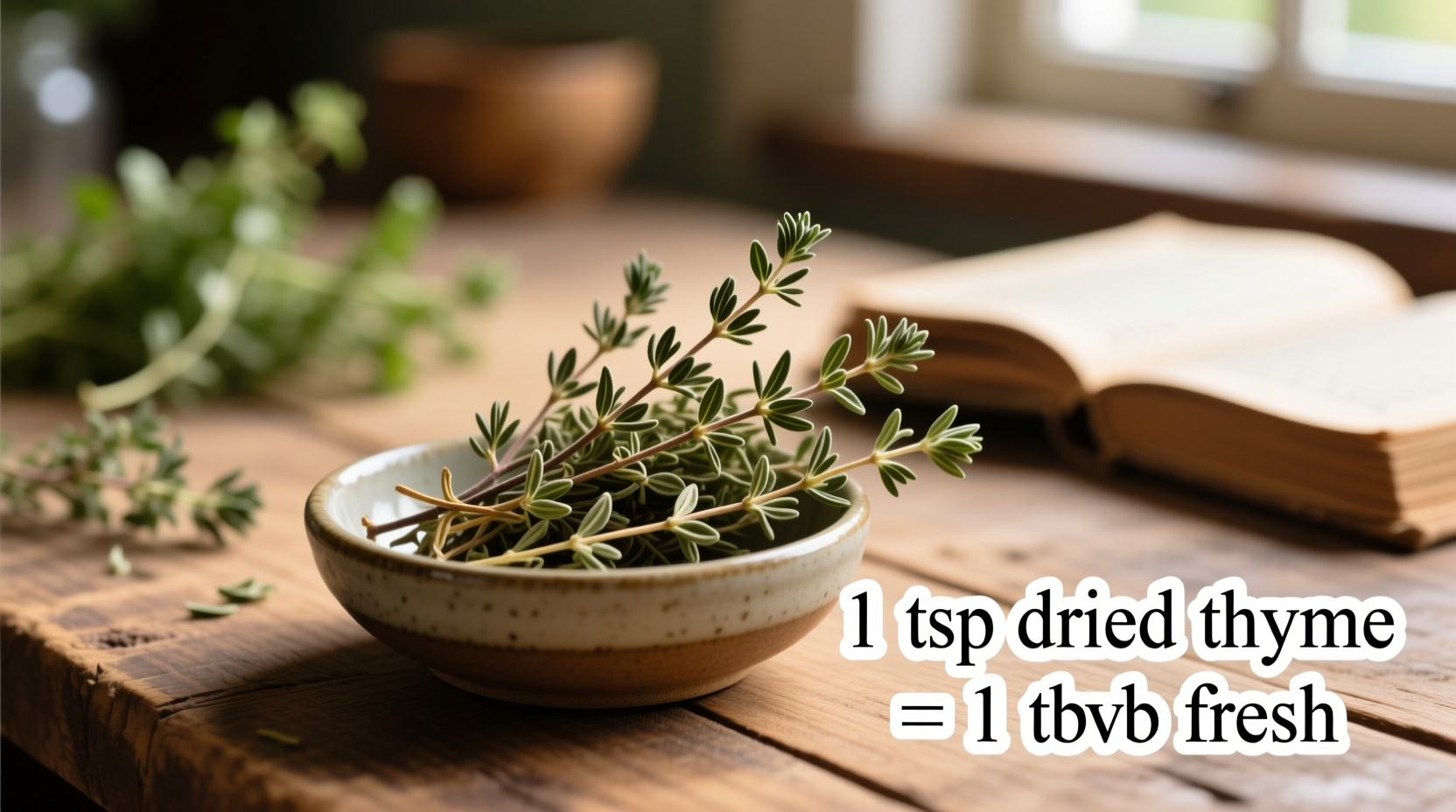
Thyme (Thymus vulgaris) is a perennial herb in the mint family (Lamiaceae), native to the Mediterranean region. It has been used for centuries in both cooking and traditional medicine. Fresh thyme consists of slender green stems adorned with tiny, oval-shaped leaves that release a fragrant, earthy aroma when crushed. Dried thyme is produced by dehydrating fresh sprigs, resulting in brittle, brownish-gray leaves that retain much of the plant’s essential oils but in a more concentrated form.
In culinary applications, thyme—whether fresh or dried—is prized for its ability to enhance savory dishes without dominating them. It plays a supporting role in bouquet garni, herbes de Provence, and countless slow-cooked preparations. While fresh thyme offers a brighter, more floral note, dried thyme delivers deeper, woodsy tones with subtle hints of camphor and mint. Understanding this distinction is key to mastering dried thyme conversion and usage.
Key Characteristics
| Attribute | Description |
|---|---|
| Flavor Profile | Earthy, slightly minty, with woody and faintly citrusy undertones; more intense when dried. |
| Aroma | Pungent, herbal, with balsamic warmth; releases more slowly in dried form. |
| Color & Form | Brownish-gray, crumbly leaves; often sold whole or ground. |
| Heat Level | Non-spicy; purely aromatic. |
| Culinary Function | Seasoning agent for soups, stews, meats, vegetables, and sauces; contributes depth and complexity. |
| Shelf Life | 2–3 years when stored properly; loses potency over time. |
Practical Usage: How to Use Dried Thyme in Cooking
Dried thyme excels in long-cooked dishes where its concentrated flavor can gradually infuse into liquids and fats. Unlike fresh herbs added at the end of cooking, dried thyme benefits from early incorporation to allow rehydration and full flavor dispersion. It integrates seamlessly into dry rubs, spice blends, and marinades, making it ideal for roasted meats, braised short ribs, or tomato-based sauces.
The standard conversion ratio between fresh and dried thyme is 1:3. For every tablespoon of fresh thyme leaves, use one teaspoon of dried thyme. This accounts for water loss during drying, which concentrates the essential oils responsible for aroma and taste. However, this ratio is not absolute—it serves as a starting point. Because dried thyme lacks the volatile top notes of fresh sprigs, some chefs adjust upward slightly depending on the dish’s intensity and cooking duration.
For example, in a beef bourguignon requiring three hours of simmering, one teaspoon of dried thyme may be sufficient where two tablespoons of fresh would typically go. In contrast, a quick sauté of mushrooms might benefit from a pinch less to avoid bitterness. Always start conservatively; you can add more later, but you cannot remove excess once incorporated.
Pro Tip: Crush dried thyme between your fingers before adding it to hot oil or liquid. This breaks open the leaf cells, releasing trapped essential oils and accelerating flavor infusion. A quick toast in a dry pan also enhances its aromatic profile.
In baking or vegetarian dishes, dried thyme pairs exceptionally well with root vegetables, legumes, and grain-based casseroles. A classic lentil soup gains structure and warmth with just half a teaspoon of dried thyme per quart. Similarly, homemade bread dough responds beautifully to a light dusting of thyme combined with garlic powder and sea salt.
Variants & Types of Dried Thyme
Not all dried thyme is created equal. Several cultivars and processing methods yield variations in potency and application:
- Common Dried Thyme (Thymus vulgaris): The most widely available form; suitable for general use in European and American cuisine.
- Lemon Thyme (Thymus citriodorus): Features pronounced citrus notes; excellent in seafood dishes, poultry, and vinaigrettes. Use sparingly—its flavor is more assertive than regular dried thyme.
- French vs. English Dried Thyme: French varieties are often finer and more aromatic due to regional growing conditions and harvesting practices. English types tend to be coarser but equally potent.
- Ground vs. Whole Leaf: Ground thyme disperses evenly but loses potency faster. Whole leaf retains freshness longer and allows better control over texture and strength.
- Organic vs. Conventional: Organic dried thyme avoids synthetic pesticides and preservatives, offering cleaner flavor and greater assurance of purity, especially important in delicate broths.
When selecting dried thyme, check for color and smell. Vibrant gray-green leaves with a sharp, clean scent indicate freshness. Dull, faded batches suggest age and diminished essential oil content.
Comparison with Similar Ingredients
Thyme is often confused with other herbs, particularly oregano and marjoram, due to visual similarities and overlapping culinary uses. However, their flavor profiles differ significantly.
| Herb | Flavor Profile | Best Used In | Substitution Notes |
|---|---|---|---|
| Dried Thyme | Woody, earthy, subtly minty | Stews, roasts, soups, herb blends | Can substitute ½ part oregano + ½ part rosemary in a pinch |
| Dried Oregano | Bolder, spicier, slightly bitter | Italian tomato sauces, grilled meats, pizzas | Use ¾ the amount if replacing thyme; too much overwhelms |
| Dried Marjoram | Sweeter, milder, floral | Egg dishes, dressings, mild stews | Can replace thyme 1:1 in delicate recipes |
| Fresh Thyme | Fresher, brighter, more aromatic | Garnishes, finishing touches, quick sautés | Use triple the amount of dried thyme when substituting |
Oregano, while sometimes interchangeable in Mediterranean contexts, carries a peppery heat absent in thyme. Marjoram, a close relative, is softer and better suited to egg-based dishes or creamy sauces. Confusing these can shift a dish’s character entirely—using oregano instead of thyme in a coq au vin, for instance, results in an Italianate rather than French profile.
“The difference between good seasoning and great seasoning lies not in quantity, but in precision. Dried thyme isn’t just ‘less fresh’—it’s a different ingredient altogether.” — Chef Elena Moretti, Culinary Instructor, Institut Français de la Cuisine
Practical Tips & FAQs
How much dried thyme equals one sprig of fresh thyme?
A single sprig of fresh thyme yields approximately 1/4 to 1/2 teaspoon of leaves. Therefore, use about 1/8 to 1/4 teaspoon of dried thyme per sprig. For recipes calling for five sprigs, aim for 1/2 teaspoon of dried thyme unless otherwise specified.
Can I substitute dried thyme for fresh in all recipes?
Yes, but with caveats. Dried thyme works best in cooked dishes lasting 20 minutes or more. Avoid using it in raw applications like salads or fresh salsas, where its texture and muted aroma fall short. For cold preparations, stick to fresh.
Does the brand of dried thyme matter?
Significantly. Premium brands source younger leaves harvested at peak oil content and package in light-blocking containers. Store brands may contain older stock or stem fragments, reducing potency. Look for reputable suppliers like Simply Organic, Frontier Co-op, or Diaspora Co. for consistent quality.
What dishes showcase dried thyme best?
- Beef stew with red wine and carrots
- Chicken cacciatore
- White bean and sausage soup
- Roasted potatoes with garlic and olive oil
- Homemade herb butter for grilling
How do I store dried thyme to preserve freshness?
Keep in an airtight glass container away from heat, light, and moisture—never above the stove or near the dishwasher. Properly stored, dried thyme maintains usable flavor for up to three years, though peak potency occurs within the first 18 months. Test freshness by rubbing a pinch between your fingers: if the aroma is weak or dusty, it’s time to replace it.
Is there a risk of using too much dried thyme?
Yes. Overuse leads to a medicinal, camphorous aftertaste due to high levels of thymol, the primary compound in thyme oil. Stick to recommended ratios and taste as you go. If a dish becomes overly thymey, balance with acidity (lemon juice or vinegar) or sweetness (a touch of honey or caramelized onions).
Can I make my own dried thyme at home?
Absolutely. Hang fresh sprigs upside down in a warm, dark, well-ventilated space for 1–2 weeks. Once fully dry, strip leaves from stems and crush gently. Home-dried thyme often surpasses commercial versions in aroma and potency because it’s processed immediately after harvest.
Storage Checklist:
✅ Use amber or opaque jars
✅ Label with purchase date
✅ Keep below 70°F (21°C)
✅ Avoid humidity (no steam exposure)
✅ Replace every 2–3 years
Summary & Key Takeaways
Dried thyme is a powerful culinary tool when used correctly. Its concentrated nature requires thoughtful conversion from fresh equivalents—typically one-third the volume. Understanding its flavor evolution during cooking, proper storage, and distinctions from similar herbs ensures balanced, professional-quality results.
Remember: dried thyme shines in slow-cooked dishes, where its deep, earthy notes meld into the background, enhancing rather than overwhelming. It is not a direct clone of fresh thyme but a distinct ingredient with unique strengths. Choose high-quality, well-stored product, crush before use, and always err on the side of caution when measuring.
Mastering dried thyme conversion empowers home cooks to adapt recipes confidently, maintain flavor integrity, and reduce waste. Whether reviving a weeknight stew or crafting a holiday roast, precise herb usage separates competent cooking from exceptional cuisine.
Now that you know how much dried thyme to use, experiment with confidence—and taste the difference precision makes.




 浙公网安备
33010002000092号
浙公网安备
33010002000092号 浙B2-20120091-4
Comments
No comments yet. Why don't you start the discussion?