
Exfoliation is a cornerstone of healthy skin care, helping to remove dead cells, unclog pores, and improve texture. But choosing the right tool—dry brush or loofah—can make the difference between glowing skin and redness, dryness, or micro-tears. While both are widely used, they work in fundamentally different ways and suit different skin types and routines. Understanding their mechanisms, effectiveness, and potential for irritation is key to making an informed choice that enhances your skin’s health rather than compromising it.
How Exfoliation Works: The Science Behind Skin Renewal
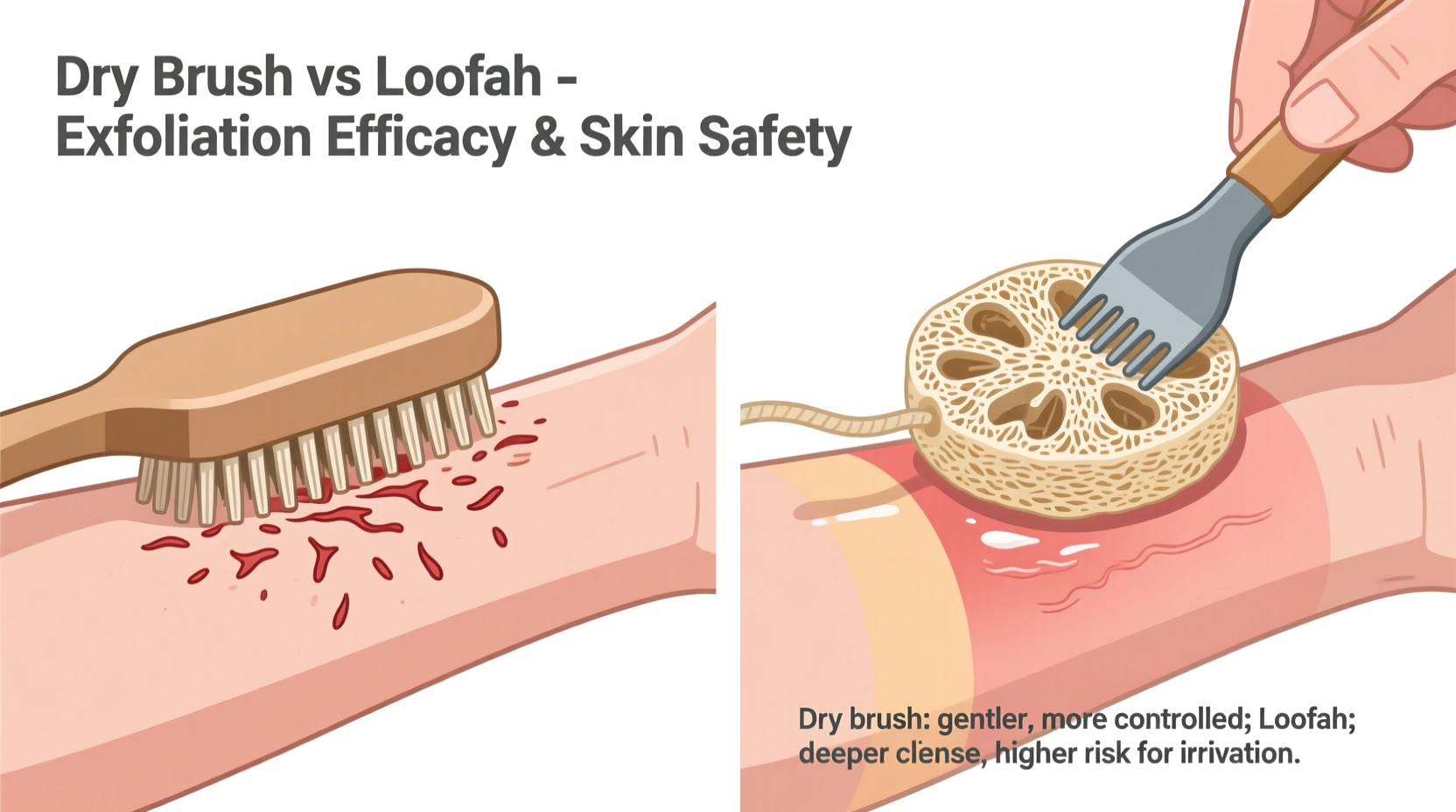
The outermost layer of the skin, the stratum corneum, is composed of dead keratinocytes that naturally shed every 28 to 40 days. As we age or face environmental stressors like pollution and UV exposure, this process slows down. Accumulated dead cells can lead to dullness, clogged pores, and uneven texture. Mechanical exfoliation physically removes these cells through friction, using tools like brushes or sponges.
Dry brushing involves using a stiff-bristled brush on dry skin before showering, typically moving in upward strokes toward the heart to support lymphatic drainage. Loofahs, made from natural fibers or synthetic materials, are used in the shower with soap or cleanser to scrub wet skin. The moisture softens the skin, altering how much friction is needed and how deeply exfoliation occurs.
Effectiveness isn’t just about how much dead skin is removed—it’s also about minimizing damage. Over-exfoliation disrupts the skin barrier, leading to transepidermal water loss, inflammation, and increased sensitivity. The ideal method delivers visible results without compromising integrity.
Dry Brushing: Benefits, Risks, and Best Practices
Dry brushing has gained popularity in wellness circles for its purported benefits beyond exfoliation: improved circulation, reduced appearance of cellulite, and enhanced lymphatic flow. While scientific evidence on cellulite reduction remains limited, dermatologists acknowledge that stimulating blood flow can temporarily tighten skin and boost radiance.
The coarse bristles of a dry brush lift away surface flakes efficiently, especially on thicker skin areas like arms, legs, and back. Because it’s done on dry skin, there’s no added slip from water or oil, allowing for controlled pressure. However, this also increases the risk of over-scrubbing if not done gently.
Best practices include brushing before showering, starting at the extremities and moving toward the heart, and cleaning the brush weekly with mild soap and water to prevent bacterial buildup. Brushes should be replaced every three to six months depending on use.
Who Should Use a Dry Brush?
- People with normal to oily skin
- Those looking for full-body exfoliation
- Individuals seeking improved circulation or lymphatic stimulation
- Anyone avoiding moisture-trapping tools (important for fungal-prone skin)
Loofahs: How They Work and Where They Fall Short
Loofahs are porous, fibrous sponges traditionally made from the dried fruit of the luffa plant, though many modern versions are synthetic. Used during showers with soap, they create a lather while providing abrasive action. The combination of moisture, heat, and friction opens pores and loosens debris, making them effective for cleansing as well as exfoliating.
However, their very design poses hygiene concerns. Loofahs retain water and provide a dark, warm environment where bacteria, mold, and yeast thrive. A study published in the Journal of Clinical Microbiology found that used loofahs can harbor pathogenic microbes, including Pseudomonas aeruginosa and Staphylococcus aureus, which may cause infections—especially in those with compromised barriers or cuts.
Additionally, aggressive scrubbing with a loofah can cause micro-abrasions, particularly on thinner skin areas like the chest or inner arms. Over time, this may lead to inflammation and accelerated aging. Natural loofahs degrade faster but are more eco-friendly; synthetics last longer but contribute to microplastic pollution.
“While loofahs can be effective for sloughing off dead skin, their tendency to harbor bacteria makes them a risky choice for daily use, especially for acne-prone or sensitive individuals.” — Dr. Lena Patel, Board-Certified Dermatologist
Comparative Analysis: Dry Brush vs Loofah
To determine which tool exfoliates more effectively without causing irritation, several factors must be evaluated: exfoliation depth, skin compatibility, hygiene, and long-term impact.
| Feature | Dry Brush | Loofah |
|---|---|---|
| Exfoliation Method | Mechanical, on dry skin | Mechanical, with water and soap |
| Effectiveness | High on thick skin areas | Moderate to high, enhanced by lather |
| Irritation Risk | Low with proper technique | Higher due to moisture and pressure |
| Hygiene | Easy to clean and dry quickly | Retains moisture; prone to mold |
| Skin Types Best Suited | Normal, oily, resilient skin | Normal, non-sensitive skin |
| Lifespan | 3–6 months | 3–4 weeks (natural), 2–3 months (synthetic) |
| Eco-Friendliness | High (if natural bristles) | Natural: high; Synthetic: low |
From this comparison, dry brushing emerges as the superior option for consistent, irritation-free exfoliation—provided it’s performed correctly. Its ability to exfoliate without trapping moisture gives it a significant edge in hygiene and safety, especially for those prone to folliculitis or fungal infections.
Step-by-Step Guide to Effective, Non-Irritating Exfoliation
Whether you choose dry brushing or loofah use, technique matters more than frequency. Follow this sequence to maximize benefits and minimize harm:
- Choose the Right Tool: For dry brushing, select a brush with natural bristles and a long handle for hard-to-reach areas. For loofahs, opt for a softer variant if you have sensitive skin.
- Timing Matters: Dry brush before showering on completely dry skin. Use a loofah midway through your shower after skin has softened from steam.
- Start Gently: Use light pressure and circular or upward strokes. Never scrub aggressively or repeat passes excessively over one area.
- Focus on Rough Areas: Elbows, knees, heels, and thighs benefit most from exfoliation. Avoid delicate zones like breasts, inner thighs, and any broken or irritated skin.
- Rinse and Moisturize: After dry brushing, rinse off loosened flakes in the shower. Apply a nourishing body oil or moisturizer to seal in hydration.
- Clean Your Tool Weekly: Wash brushes with soapy water and lay flat to dry. Replace loofahs monthly—or sooner if they smell or darken.
- Limits Frequency: Exfoliate 2–3 times per week max. Daily use, even with gentle tools, can compromise the skin barrier.
Real-World Example: Sarah’s Transition from Loofah to Dry Brush
Sarah, a 34-year-old teacher with combination skin, had used a synthetic loofah daily for years. She enjoyed the “squeaky clean” feeling but noticed recurring bumps on her upper arms and occasional rashes on her back. After consulting a dermatologist, she learned she was experiencing mild folliculitis caused by bacterial buildup in her loofah.
She switched to a natural boar-bristle dry brush, using it every other day before her morning shower. Within three weeks, the bumps subsided, and her skin felt smoother without tightness. She now cleans her brush weekly with diluted tea tree soap and reports fewer ingrown hairs and better product absorption from her body lotions.
“I didn’t realize my loofah was the problem,” she said. “The dry brush feels gentler, and I actually look forward to the ritual—it’s calming, almost meditative.”
Expert Recommendations and Common Misconceptions
Despite widespread use, misconceptions persist about both tools. One common myth is that loofahs are “more thorough” because they’re used with soap. In reality, soap can mask over-scrubbing by numbing sensation slightly, increasing the risk of unnoticed damage.
Another misconception is that dry brushing causes excessive dryness. When paired with proper moisturizing, it actually improves hydration by removing the barrier of dead cells that block lotion absorption.
“The key to safe exfoliation is consistency, not intensity. Gentle, regular removal of dead cells supports skin health far better than aggressive weekly sessions.” — Dr. Amara Singh, Cosmetic Dermatologist
Dermatologists increasingly recommend dry brushing over loofahs for patients with keratosis pilaris, rough patches, or poor circulation. However, those with eczema, rosacea, or psoriasis should avoid both mechanical tools unless approved by a specialist.
Frequently Asked Questions
Can I use a dry brush on my face?
No. Facial skin is significantly thinner and more sensitive than body skin. Dry brushes are too abrasive for the face. If you want facial exfoliation, use a soft washcloth or a dedicated facial scrub with fine particles or chemical exfoliants like AHAs.
How do I know if I’m over-exfoliating?
Signs include redness, stinging when applying products, flakiness despite moisturizing, and increased sensitivity. If you notice these, stop exfoliating for 7–10 days and focus on barrier repair with ceramide-rich creams and fragrance-free formulas.
Are natural loofahs safer than synthetic ones?
Natural loofahs are biodegradable and less likely to shed microplastics, but they are more porous and degrade faster, making them equally prone to mold if not dried thoroughly. Both require strict hygiene. For most people, a silicone scrubber or konjac sponge may be safer alternatives.
Final Verdict: Which Is More Effective Without Irritation?
When evaluating dry brush vs loofah for effective exfoliation with minimal irritation, the dry brush wins on multiple fronts: superior hygiene, gentler long-term impact, better compatibility with sensitive or acne-prone skin, and additional circulatory benefits. While loofahs offer a satisfying lather and immediate smoothness, their moisture-retaining nature and higher microbial risk make them less ideal for consistent, safe use.
Effectiveness isn’t solely about how much skin you remove—it’s about what condition you leave your skin in afterward. Dry brushing, when done correctly, supports skin renewal without stripping or inflaming. It promotes a holistic routine that values rhythm over rigor, making it not only more effective but also more sustainable.




 浙公网安备
33010002000092号
浙公网安备
33010002000092号 浙B2-20120091-4
Comments
No comments yet. Why don't you start the discussion?