
Dry shampoo has become a staple in modern haircare routines—offering a quick fix for greasy roots, extending time between washes, and adding volume with minimal effort. But frequent use often leads to an overlooked issue: product buildup on the scalp. Over time, the starches, alcohols, and propellants in dry shampoo can accumulate, clogging hair follicles, dulling hair, and even triggering irritation or flaking. The challenge lies in removing this residue effectively while preserving the scalp’s delicate moisture balance. Washing too aggressively can strip away essential sebum, leaving hair brittle and the scalp reactive. The solution? A strategic, gentle cleansing approach that targets buildup without compromising natural protection.
Why Dry Shampoo Buildup Happens
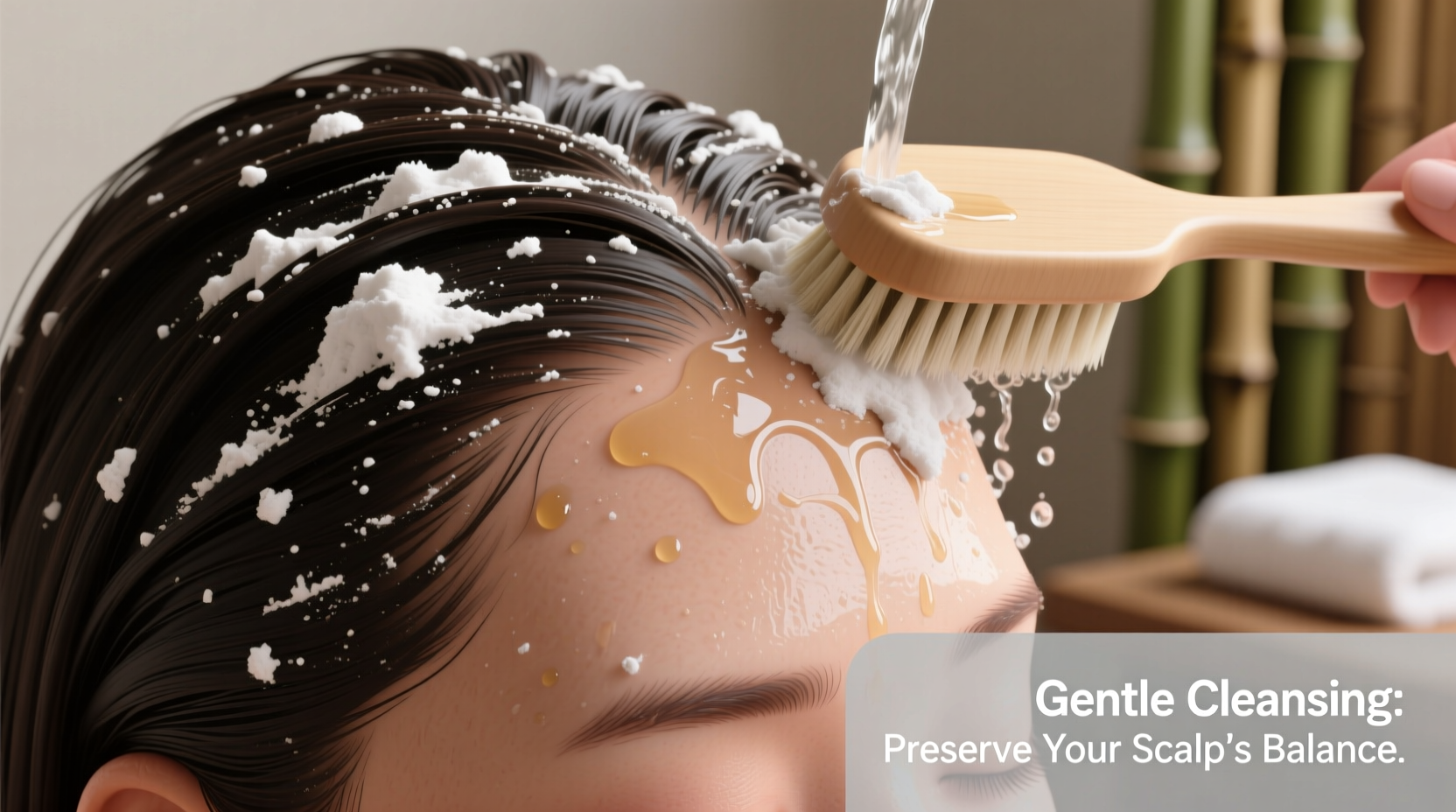
Dry shampoo works by absorbing excess oil at the root through ingredients like rice starch, silica, or alcohol. While effective in the short term, repeated applications cause these substances to layer on the scalp. Unlike traditional shampoos, dry versions don’t rinse away, meaning each use adds to the accumulation. Over weeks, this creates a film that blocks pores, interferes with natural exfoliation, and may disrupt the scalp’s microbiome.
The problem is compounded when users skip regular washing for extended periods. Some go days—or even weeks—between wet washes, relying solely on dry formulas. This allows not only dry shampoo but also environmental pollutants, sweat, and dead skin cells to mix into a stubborn compound. The result? Itchiness, redness, reduced hair growth, and in some cases, scalp acne.
“Buildup from dry shampoo isn’t just cosmetic—it can impair follicle health over time. Regular but gentle cleansing is non-negotiable for long-term scalp wellness.” — Dr. Lena Torres, Trichologist & Scalp Health Specialist
Signs You Have Dry Shampoo Buildup
Recognizing early symptoms helps prevent deeper issues. Look for these common indicators:
- Itchy or flaky scalp: Often mistaken for dandruff, but persists despite anti-dandruff treatments.
- Flat, lifeless hair: Even after using volumizing products, hair lacks lift due to weighed-down roots.
- White or grayish residue: Visible powder near the roots that doesn’t brush out easily.
- Tightness or discomfort: A sensation of heaviness or tightness on the scalp after styling.
- Increased oiliness: Paradoxically, buildup can signal the scalp to produce more oil to compensate for perceived dryness.
Gentle Methods to Remove Buildup Without Stripping Oils
Cleansing the scalp doesn’t require harsh sulfates or daily washing. The goal is to dissolve and lift residue while maintaining the lipid barrier. Below are proven techniques that work without over-drying.
1. Pre-Wash Oil Treatments (Scalp Oiling)
Using natural oils before shampooing softens and lifts dry shampoo residue. Oils like jojoba, argan, or grapeseed closely mimic sebum, allowing them to penetrate and break down buildup without irritation.
- Apply 1–2 teaspoons of oil directly to the scalp using fingertips or a dropper.
- Massage gently in circular motions for 3–5 minutes to stimulate circulation and loosen debris.
- Cover hair with a shower cap and leave for 20–30 minutes (or overnight for severe buildup).
- Proceed with a mild shampoo.
This method emulsifies trapped particles, making them easier to rinse away with less friction and fewer washes.
2. Use a Clarifying Shampoo—Strategically
Clarifying shampoos are designed to deep-clean, but many contain sulfates that can be overly aggressive. Opt for sulfate-free formulas labeled “gentle clarifying” or “detox.” These use surfactants like decyl glucoside or cocamidopropyl betaine, which lift buildup without stripping.
Limited use is key: once every 2–4 weeks is sufficient for most people. Always follow with a lightweight conditioner applied only to mid-lengths and ends to avoid weighing down the scalp.
3. Apple Cider Vinegar Rinses
A diluted apple cider vinegar (ACV) rinse helps dissolve residue and restore the scalp’s pH, which is typically around 5.5. An imbalanced pH can encourage fungal growth and excess oil production.
Mix one part raw, unfiltered ACV with three parts water. After shampooing, pour the mixture over the scalp, let sit for 2–3 minutes, then rinse thoroughly with cool water. Use no more than once per week to prevent over-acidification.
“The acidity in ACV acts like a natural chelating agent, helping to neutralize mineral deposits and product film.” — Rachel Kim, Holistic Haircare Formulator
4. Scalp Exfoliation (Physical and Chemical)
Exfoliation removes dead skin and lifts embedded product residue. Two types exist:
- Physical exfoliants: Soft silicone brushes or scrubs with fine sugar or salt granules. Use sparingly—once every 7–10 days—to avoid micro-tears.
- Chemical exfoliants: Scalp toners containing salicylic acid (oil-soluble, penetrates pores), lactic acid (gentle, hydrating), or pyrithione zinc (anti-microbial). Apply 2–3 times weekly as directed.
For sensitive scalps, start with chemical options—they offer controlled exfoliation without abrasion.
Do’s and Don’ts: How to Cleanse Safely
| Do | Don’t |
|---|---|
| Use lukewarm water—hot water strips natural oils. | Wash daily with strong shampoos; it disrupts oil regulation. |
| Massage gently with pads of fingers, not nails. | Scratch aggressively, which can damage the scalp barrier. |
| Apply conditioner only from ears down. | Rinse conditioner through the scalp, adding to buildup. |
| Blot hair dry—avoid vigorous rubbing with towels. | Use heat styling tools immediately after washing on high settings. |
| Limit dry shampoo to 2–3 times per week max. | Spray excessively or too close to the scalp. |
Real-World Example: Reversing Months of Buildup
Sophia, a 32-year-old graphic designer, used dry shampoo nearly every day to maintain her beachy waves between washes. After six months, she noticed persistent itching, thinning at the crown, and a chalky texture at her roots. Despite switching to “natural” shampoos, the issues worsened.
She consulted a trichologist who diagnosed severe product accumulation and mild folliculitis. Her regimen was adjusted: she began bi-weekly jojoba oil pre-washes, used a sulfate-free clarifying shampoo every 10 days, and incorporated a lactic acid scalp serum three times a week. Within four weeks, the itching stopped. By week eight, her hair showed improved volume and shine, and a follow-up scalp analysis revealed normalized follicle function.
Her turnaround wasn’t about eliminating dry shampoo entirely—but reintroducing balance through mindful cleansing.
Step-by-Step Weekly Scalp Reset Routine
Follow this schedule to maintain a clean, healthy scalp without over-washing:
- Day 1 (Evening): Pre-Oil Treatment
Apply 1 tsp of jojoba oil to the scalp. Massage for 4 minutes. Cover with a silk cap and leave overnight. - Day 2 (Morning): Gentle Wash
Shampoo with a sulfate-free formula. Focus lather on the scalp, rinse thoroughly. Condition only from mid-shaft to ends. - Day 4: Scalp Toner Application
After showering, apply a salicylic acid-based toner (0.5–1%) using a cotton pad or spray. Do not rinse. - Day 6: Light Refresh
If needed, use dry shampoo sparingly—only at the crown and temples. Avoid reapplication the same day. - Day 7: Assess
Evaluate scalp comfort, oil levels, and hair texture. Adjust frequency based on results.
Repeat monthly, reducing intensity as scalp balance improves.
Frequently Asked Questions
Can I cleanse my scalp without getting my hair wet?
While dry brushing and oil blotting offer minor relief, true buildup removal requires water to emulsify and rinse away residues. Waterless methods alone cannot fully detox the scalp.
Is baking soda safe for removing dry shampoo buildup?
No. Baking soda has a high pH (around 9), which disrupts the scalp’s natural acidity, leading to dryness, irritation, and increased flaking. It may provide temporary lift but causes long-term damage.
How do I know if my scalp is balanced?
A balanced scalp feels neutral—not oily, tight, or itchy. Hair stays fresh for 2–3 days post-wash, and there’s no visible flaking or residue. Sebum production stabilizes, meaning less reliance on dry shampoo.
Final Checklist: Prevent & Treat Buildup
- ✔ Limit dry shampoo to 2–3 uses per week
- ✔ Perform a pre-wash oil treatment weekly
- ✔ Use a sulfate-free clarifying shampoo monthly
- ✔ Incorporate a pH-balancing rinse or toner
- ✔ Avoid direct application of conditioner to the scalp
- ✔ Brush hair daily with a soft-bristle or silicone-tipped brush
- ✔ Stay hydrated and maintain a nutrient-rich diet (omega-3s, zinc, vitamin E)
Conclusion: Balance Is the Key to Scalp Health
Dry shampoo is a valuable tool, but like any convenience product, it demands responsible use. Buildup isn’t inevitable—it’s a sign that your scalp needs attention, not punishment. By adopting gentle, targeted cleansing methods, you preserve the natural oils that protect and nourish your hair at the root. Healthy hair begins with a clean, balanced scalp, not a stripped one. Start small: introduce one new habit this week, whether it’s a pre-wash oil or a switch to a milder shampoo. Over time, these choices compound into stronger, shinier, more resilient hair. Your scalp will thank you.




 浙公网安备
33010002000092号
浙公网安备
33010002000092号 浙B2-20120091-4
Comments
No comments yet. Why don't you start the discussion?