
Greasy hair between washes is a universal struggle—especially when time, energy, or water access are limited. Dry shampoo has become a go-to solution, but too often it leaves behind chalky buildup, dulls hair color, or fails to absorb oil effectively. The truth is, not all dry shampoos work the same, and even the best products can be misused. With the right techniques and insider knowledge, you can use dry shampoo in ways that truly refresh your scalp, add volume, and extend time between washes—all without visible residue.
This guide dives into science-backed methods, professional stylist insights, and real-world-tested strategies that transform how you use dry shampoo. From application tricks to ingredient choices and timing, these hacks ensure your hair looks clean, feels fresh, and stays healthy over time.
The Problem with Most Dry Shampoo Use
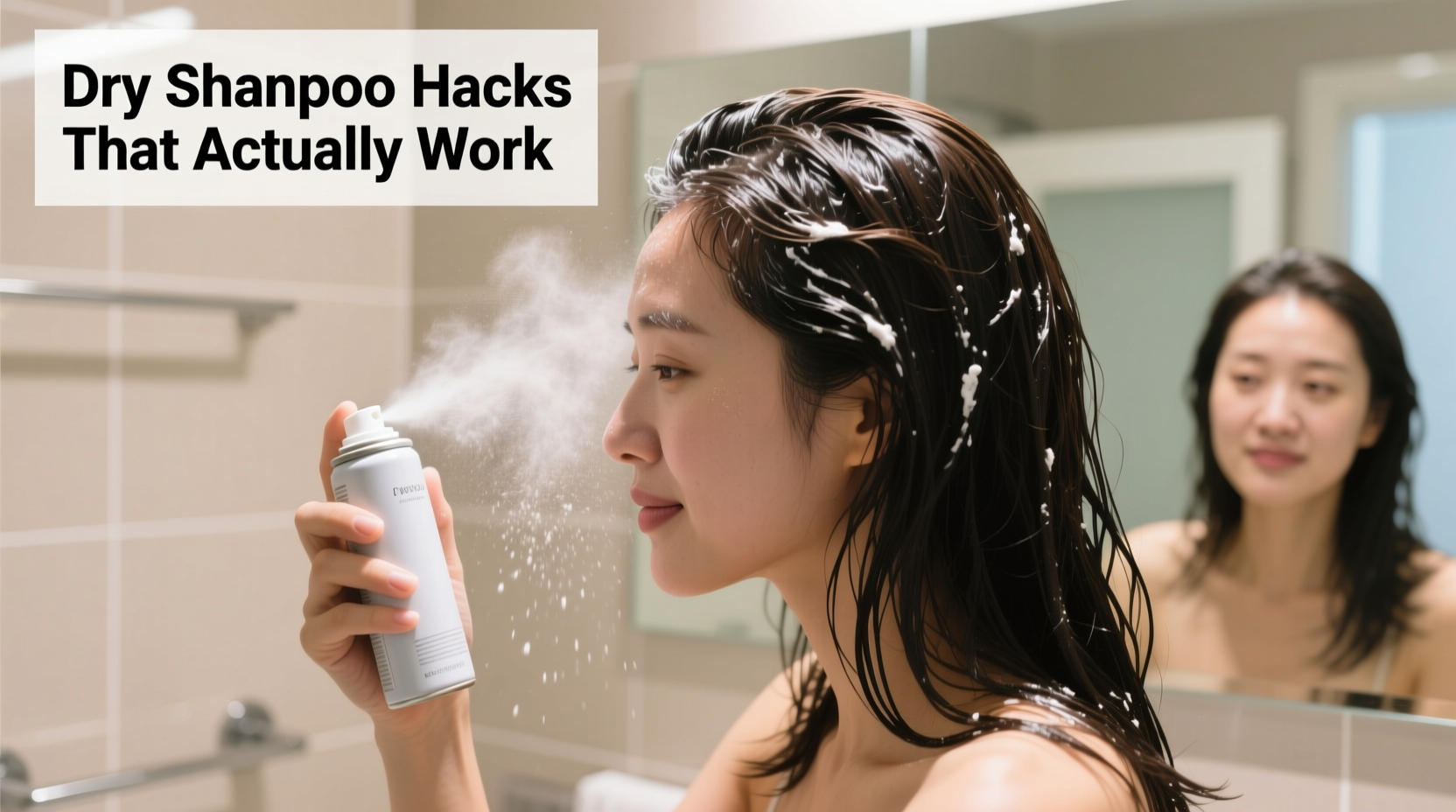
Dry shampoo works by absorbing excess sebum (oil) from the scalp using starch-based or powder ingredients like rice starch, silica, or alcohol. However, many users apply it incorrectly—spraying too close, using too much, or failing to distribute it properly. This leads to white cast, flaking, and scalp irritation. Over time, product buildup clogs hair follicles, potentially contributing to thinning or dandruff-like symptoms.
According to trichologist Dr. Michelle Lee, “Over-reliance on dry shampoo without proper cleansing can disrupt the scalp microbiome. It’s a temporary fix, not a replacement for washing.” The key isn’t avoiding dry shampoo—it’s mastering its use so it enhances rather than harms your hair health.
Smart Application Techniques That Prevent Residue
How you apply dry shampoo matters more than the brand you choose. Follow this step-by-step process to maximize absorption and minimize visibility.
- Section your hair – Part your hair into 2–4 sections depending on thickness. This ensures even coverage and prevents missing spots.
- Hold the can 8–10 inches away – Distance allows the propellant to disperse the formula evenly, reducing clumping.
- Spray at the roots only – Focus on oily zones: crown, part line, temples, and nape. Avoid mid-lengths and ends, which don’t produce oil and can become brittle.
- Wait 30 seconds before massaging – Let the powder settle and absorb oil first. Rushing to brush creates friction and spreads grease instead of removing it.
- Use fingertips or a boar bristle brush – Gently massage the roots to lift product and stimulate blood flow. A natural bristle brush helps distribute oils and blend any remaining powder.
For curly or textured hair, avoid brushing altogether. Instead, scrunch the roots gently with your palms to activate volume and blend the product.
Timing Matters: When to Apply for Best Results
Most people reach for dry shampoo after their hair already looks flat and oily. But applying it before oil accumulates can be far more effective.
- Pre-wash boost: Spray lightly before bed if you know you’ll skip a morning shower. It absorbs oil overnight and wakes up your roots.
- Post-styling primer: After blow-drying, a light mist adds grip and texture for updos or second-day styles.
- Exercise prep: If you sweat heavily, a quick root touch-up pre-workout can reduce post-gym greasiness.
Think of dry shampoo as preventative maintenance, not emergency cleanup.
Choosing the Right Formula for Your Hair Type
Not all dry shampoos are created equal. The wrong formula can leave ghostly streaks or fail to absorb oil. Match your choice to your hair color, texture, and sensitivity.
| Hair Type | Recommended Base | Avoid | Tinted Option? |
|---|---|---|---|
| Fine, straight (light to medium) | Rice starch, cornstarch | Heavy clays, waxes | No – clear or translucent formulas work best |
| Dark or black hair | Alcohol-based or tinted powders | White-only formulas | Yes – charcoal or cocoa-infused sprays prevent gray cast |
| Curly or coily | Lightweight mists, oat flour | Aerosols with high alcohol | Optional – focus on non-flaking, moisturizing blends |
| Oily scalp, dry ends | Clay-based (kaolin, bentonite) | Silicone-heavy products | No – prioritize absorption over appearance |
| Sensitive scalp | Fragrance-free, talc-free | Parabens, sulfates, synthetic fragrances | Yes – hypoallergenic tints available |
“Tinted dry shampoos have revolutionized styling for women of color. They eliminate the fear of white flakes while offering superior oil control.” — Jamal Peterson, Celebrity Stylist and Texture Specialist
Creative Hacks Beyond the Can
When used creatively, dry shampoo becomes more than a root refresher—it transforms into a styling ally.
1. Extend Blowouts and Curls
After a salon visit or heat styling session, lightly mist roots before bed. This protects against nighttime oil transfer and maintains volume. In the morning, flip your head upside down and shake gently—your style will look freshly done.
2. Rescue Flat Bangs Instantly
Fringe areas get oily fast due to forehead contact. Instead of reapplying throughout the day, blot gently with a tissue first, then spray dry shampoo just on the root. Use a small round brush to lift and set—no residue, full freshness.
3. Add Texture for Updos and Braids
Before braiding or pinning hair, apply dry shampoo to clean, dry hair. It increases grip and reduces slippage, especially useful for silky or fine strands. This trick is widely used backstage at fashion shows.
4. Refresh Hats and Helmets
Sweat and scalp oil transfer to headwear. To clean fabric linings, turn the garment inside out and lightly spray interior crown area with dry shampoo. Wait 10 minutes, then wipe with a microfiber cloth. Removes odor and grease without washing.
DIY Alternatives and Natural Options
If commercial products irritate your scalp or leave buildup, consider natural substitutes. These are particularly effective for those with low to moderate oil production.
- Cornstarch or arrowroot powder – For light to medium hair, dust a small amount at the roots with a makeup brush. Works instantly and rinses cleanly.
- Cocoa powder + cornstarch – Mix 1:3 ratio for dark hair. Apply sparingly with a sponge applicator to avoid staining.
- Oat flour – Soothing and absorbent, ideal for sensitive scalps. Grind rolled oats finely and store in a shaker jar.
To apply DIY powders: section hair, use a folded paper or small sieve to sprinkle lightly at roots, wait 5 minutes, then brush through. These lack propellants, so distribution requires more care—but they’re free of chemicals and residue when used correctly.
When to Skip Dry Shampoo Entirely
Dry shampoo isn’t always the answer. In these cases, washing is safer and more effective:
- After swimming (chlorine/saltwater reacts poorly with powders)
- If you’ve used heavy pomades or waxes
- When experiencing scalp itching, redness, or flaking
- More than two days in a row without washing
Experts recommend limiting dry shampoo to 2–3 uses per week max. Beyond that, even residue-free formulas can impair scalp function.
Mini Case Study: Reviving Second-Day Hair for a Client Photoshoot
Makeup artist Lena Tran was preparing a model for a daytime editorial shoot. The model had fine, ash-blonde hair that flattened within hours of washing. On day two, her roots were visibly oily, but wetting her hair would alter the color tone and take too long to dry.
Lena applied a lightweight, translucent dry shampoo 30 minutes before styling. She sprayed in short bursts at the crown and part, waited, then massaged with a boar bristle brush. Next, she flipped the hair and blow-dried the roots on cool for 30 seconds to reactivate volume. The result? Full-bodied, camera-ready hair with zero chalkiness.
“The secret,” Lena says, “was patience. Waiting before brushing made all the difference. And using a cool blast locked in the lift without adding oil.”
Checklist: How to Use Dry Shampoo Without Residue
- Part hair into sections
- Hold can 8–10 inches from scalp
- Spray only at roots in 2-second bursts
- Wait 30 seconds to 1 minute
- Massage gently with fingertips or brush
- Flip head and shake out excess
- Style as desired
- Wash hair within 48 hours
FAQ: Common Questions About Dry Shampoo
Can dry shampoo cause hair loss?
Not directly. However, prolonged buildup can clog follicles and weaken hair at the root, leading to breakage. Regular washing and scalp exfoliation prevent this. If you notice thinning, reassess frequency of use and consult a dermatologist.
Why does my dry shampoo leave a white film?
White residue usually means over-application or incorrect distance. It may also indicate a formula mismatch—white powders don’t suit dark hair. Try a tinted version or switch to a finer mist. Always allow time for absorption before touching.
Is there a dry shampoo that doesn’t use propellants?
Yes. Powder-based dry shampoos in shaker bottles or compacts contain no aerosols. They’re eco-friendly and often gentler on the scalp. Popular options include Klorane’s Nettle Powder and Amika’s Perk Up.
Final Thoughts: Mastering the Art of Fresh, Clean-Looking Hair
Dry shampoo is one of the most convenient tools in modern haircare—if used wisely. The goal isn’t to mask greasiness with layers of powder, but to genuinely refresh the scalp and maintain healthy hair cycles. By choosing the right formula, applying it with precision, and respecting your scalp’s limits, you can enjoy fuller, cleaner-looking hair without the chalky aftermath.
These hacks aren’t shortcuts—they’re refinements. Whether you’re rushing to a meeting, reviving curls, or preserving a blowout, smart dry shampoo use elevates your routine from reactive to strategic.




 浙公网安备
33010002000092号
浙公网安备
33010002000092号 浙B2-20120091-4
Comments
No comments yet. Why don't you start the discussion?