
For decades, the kitchen dish rack has been the default solution for air-drying dishes after washing. But in recent years, a quiet revolution has taken place on countertops everywhere: the rise of the silicone drying mat. Sleek, compact, and often praised for its minimalist design, the drying mat promises a clutter-free alternative to traditional racks. But is it truly better—or is the trend more about aesthetics than functionality?
The answer isn’t as simple as “yes” or “no.” It depends on your kitchen setup, how you wash dishes, and what you value most—efficiency, hygiene, space, or speed. Let’s break down both options with real-world insights, expert input, and practical comparisons.
How Drying Mats Work vs. Dish Racks
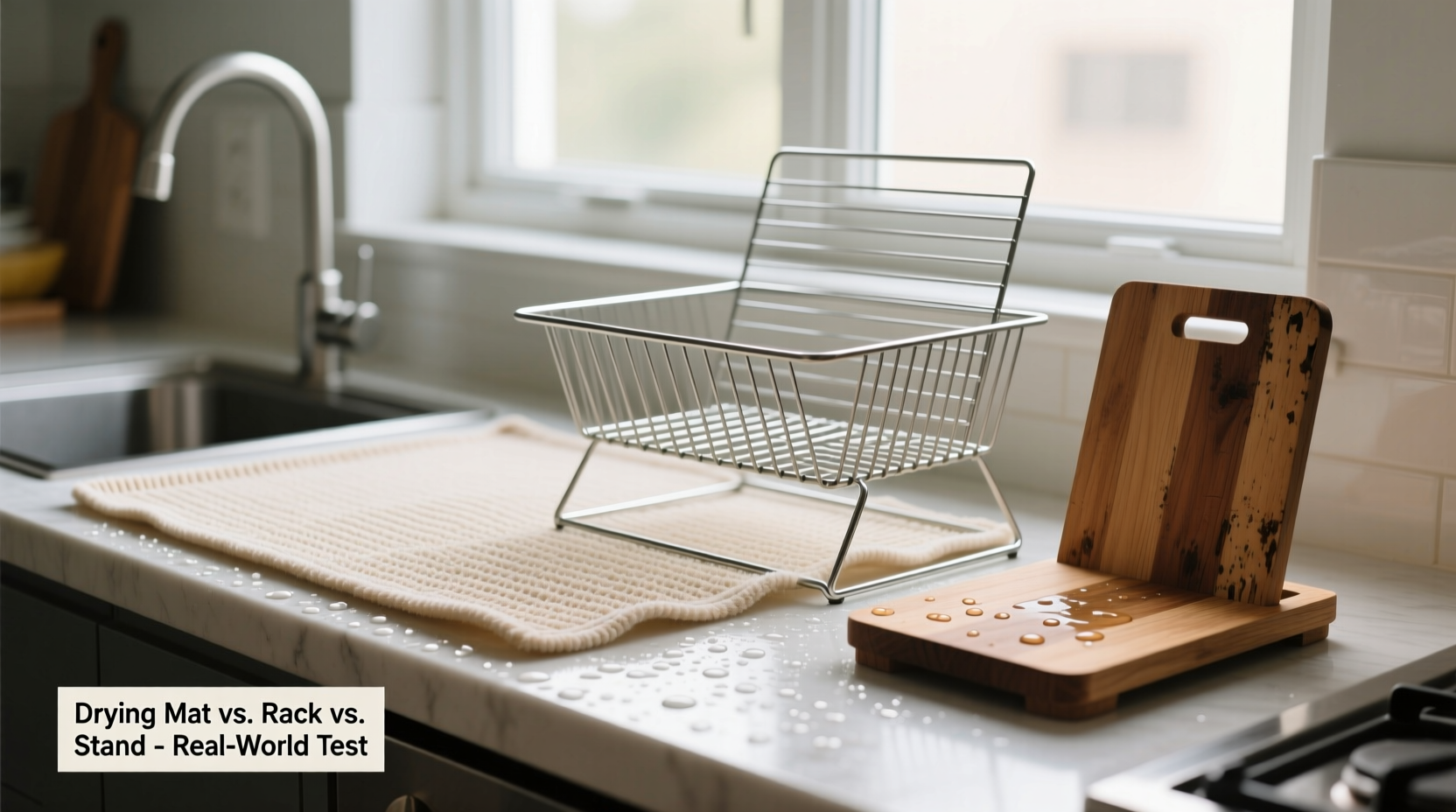
Drying mats and dish racks serve the same basic purpose: to allow dishes to dry safely after washing without creating water messes on counters. However, their mechanisms differ significantly.
A **drying mat**, typically made of food-grade silicone or microfiber, lies flat on the counter. Water from dishes pools on the surface and either evaporates slowly or is wiped away later. Some advanced models include grooves or channels to direct water toward the sink.
A **dish rack**, usually made of stainless steel or plastic with rubber feet, elevates dishes off the counter. This allows air to circulate underneath, speeding up evaporation and preventing water from pooling. Many come with built-in cutlery trays, cup holders, and even folding designs.
The core difference? Elevation versus contact. One keeps dishes above the surface; the other places them directly on it.
Performance Comparison: Speed, Hygiene, and Convenience
To evaluate which option performs better, we need to consider several key factors.
| Factor | Drying Mat | Dish Rack |
|---|---|---|
| Drying Speed | Slower — dishes sit flat, limiting airflow underneath | Faster — elevated design promotes circulation |
| Counter Protection | Good — prevents scratches and absorbs minor spills | Moderate — may leave wet rings if not dried properly |
| Hygiene | Riskier — moisture can pool, fostering bacteria if not cleaned daily | Better — open structure resists mold when maintained |
| Space Efficiency | Excellent — rolls or folds easily, stores flat | Poorer — bulkier, requires dedicated area |
| Cleaning & Maintenance | Easy to wipe but must be disinfected regularly | Requires rinsing crevices; prone to limescale buildup |
While drying mats win on portability and sleek appearance, they fall short in airflow and long-term hygiene unless meticulously maintained. Dish racks, though less stylish, are engineered for function—especially in homes where large loads of dishes are common.
“Airflow is critical for effective drying. Any system that traps moisture against a surface increases the risk of microbial growth.” — Dr. Lena Patel, Microbiologist & Home Hygiene Researcher
Real-World Example: A Small Apartment Kitchen
Sophia lives in a 500-square-foot studio in downtown Seattle. Her kitchen counter measures just 24 inches wide. After switching from a full-sized dish rack to a silicone drying mat, she reclaimed precious workspace. She now dries two plates, a bowl, and a mug directly on the mat each night, wiping it down afterward and hanging it over the sink edge to dry.
However, when hosting dinner parties, she reverts to her old rack. “The mat works fine for one or two people,” she says, “but when I have six wine glasses and multiple pans, everything stays damp overnight. The rack just handles volume better.”
This scenario illustrates a crucial point: context matters. For solo dwellers or couples with light dish loads, a drying mat can be perfectly adequate. For families or frequent entertainers, the rack remains more practical.
Step-by-Step: Choosing the Right Option for Your Kitchen
Follow this decision-making process to determine which drying method suits your lifestyle:
- Assess your dish volume. Do you regularly wash more than five items at once? If yes, lean toward a rack.
- Measure available counter space. Less than 18 inches? A mat or foldable rack is likely necessary.
- Evaluate your drying environment. Humid kitchens slow evaporation. In such cases, airflow (provided by racks) becomes more important.
- Consider maintenance habits. Will you clean the mat daily? If not, bacteria buildup is a real concern.
- Test both options. Try a mat for a week, then switch back to a rack. Note differences in drying time, convenience, and cleanliness.
Common Myths About Drying Mats Debunked
The marketing around drying mats often exaggerates their capabilities. Let’s clarify some misconceptions:
- Myth: “Drying mats dry faster because they’re ‘advanced silicone.’”
Reality: Material doesn’t override physics. Without airflow, drying is slower regardless of surface. - Myth: “They’re self-draining.”
Reality: Most require manual wiping or tilting toward the sink. Only a few premium models have effective channeling. - Myth: “They’re always more hygienic.”
Reality: Stagnant water on any surface breeds bacteria. Mats need more frequent disinfection than racks.
While modern drying mats are well-designed, they aren’t magic. Their benefits are situational, not universal.
Expert Recommendations and Long-Term Use
According to kitchen ergonomics specialist Marcus Tran, the ideal drying setup balances form and function.
“The best systems adapt to the user, not the other way around. I recommend modular solutions—like a compact rack paired with a removable mat for delicate items.” — Marcus Tran, Kitchen Design Consultant
Tran observes that many clients initially love the look of a minimalist mat but eventually reintroduce racks due to practicality. “Aesthetic satisfaction fades faster than functional frustration,” he notes.
Long-term durability also varies. High-quality silicone mats last 2–3 years with daily use before warping or staining. Dish racks, especially stainless steel ones, can last a decade or more with proper care.
FAQ: Common Questions About Drying Solutions
Can I use a drying mat on granite or quartz countertops?
Yes, but ensure the mat is non-abrasive and removed promptly after use. Trapped moisture under silicone can etch natural stone over time, especially with acidic residues.
Do dish racks damage countertops?
Potentially. Rubber feet can stain, and pooled water may cause discoloration. Using a liner or placing the rack on a trivet helps protect surfaces.
Are drying mats dishwasher-safe?
Most are, but check manufacturer guidelines. Frequent high-heat cycles may degrade silicone over time. Hand washing with mild soap is often sufficient.
Final Verdict: Function Over Fashion
The drying mat is not inherently better than the dish rack—it’s different. Its appeal lies in minimalism, portability, and compatibility with small spaces. But when it comes to actual drying performance, hygiene, and handling heavy loads, the traditional dish rack still holds the advantage.
The hype around drying mats reflects broader trends in kitchen design: sleek, Instagram-friendly tools that prioritize appearance. And there’s nothing wrong with wanting a tidy countertop. But don’t sacrifice function for form unless your usage truly aligns with the mat’s limitations.
For most households, the optimal solution may be hybrid: a compact rack with a silicone mat insert, combining airflow with surface protection. Or rotating between tools based on need—mat for quick hand-washes, rack for post-dinner cleanup.




 浙公网安备
33010002000092号
浙公网安备
33010002000092号 浙B2-20120091-4
Comments
No comments yet. Why don't you start the discussion?