
When it comes to respiratory protection in industrial, construction, or healthcare environments, few tools are as essential as a high-quality half face respirator. Unlike disposable masks, these reusable devices offer superior filtration, extended durability, and a customizable fit that ensures both comfort and safety during prolonged use. However, not all half face respirators deliver on both durability and comfort—two non-negotiable factors for anyone relying on consistent respiratory protection.
Selecting the right model involves more than just filtering efficiency; it requires evaluating materials, strap systems, seal quality, ease of maintenance, and compatibility with other personal protective equipment (PPE). This guide explores the top considerations, leading models, and practical strategies for choosing a half face respirator that lasts, fits well, and supports daily performance without compromising health.
Key Features of Durable and Comfortable Half Face Respirators
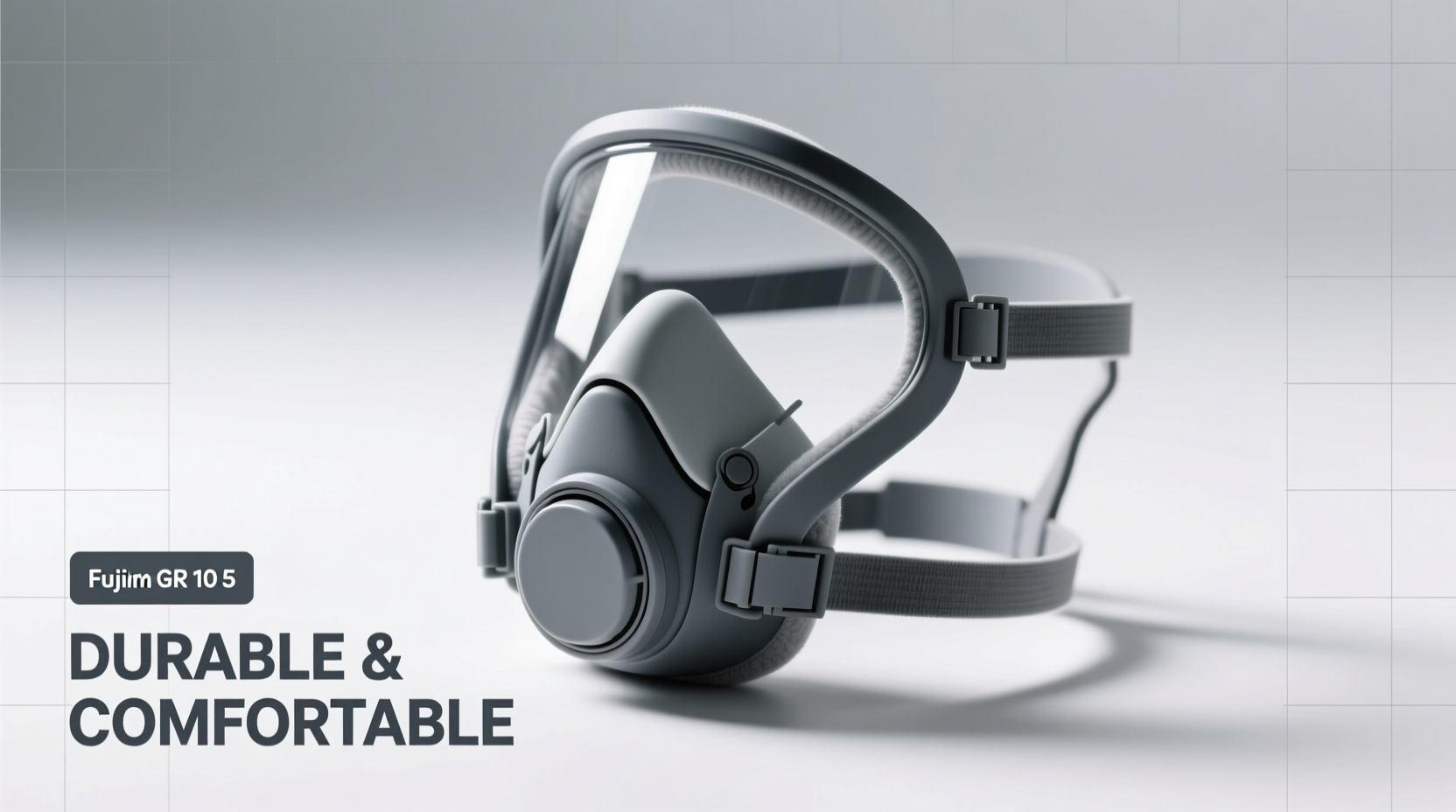
A well-designed half face respirator balances robust construction with ergonomic comfort. The most reliable models incorporate several core features that contribute to longevity and wearability:
- Silicone or elastomer facepiece: These materials provide a soft, flexible seal against the skin while resisting degradation from oils, sweat, and cleaning agents.
- Adjustable head straps: Multi-point harness systems allow users to customize tension across the forehead, back of the head, and neck, reducing pressure points.
- Low breathing resistance: High-efficiency filters with minimal airflow restriction reduce fatigue during extended shifts.
- Replaceable filter cartridges: Modular designs let you swap out filters instead of replacing the entire unit, extending product life and lowering long-term costs.
- Compatibility with eyewear and hearing protection: A good fit shouldn’t be compromised by safety glasses or ear defenders.
Top Models Known for Durability and Comfort
Several brands have established themselves as leaders in professional respiratory protection. Based on field testing, user feedback, and compliance with NIOSH and ANSI standards, the following models stand out for their balance of resilience and wearability.
| Model | Material | Strap System | Filter Type | User Comfort Rating (5.0) |
|---|---|---|---|---|
| 3M 6800 | Thermoplastic Elastomer | 5-point adjustable | Organic vapor, P100, acid gas | 4.7 |
| MSA Advantage 200 LS | SmoothSeal Silicone | 4-point padded harness | Multi-gas & particulate | 4.8 |
| Honeywell North 7700 Series | Elastomeric | 6-point suspension | P100, organic vapor combo | 4.6 |
| Dräger X-plore 3300 | Soft silicone | ErgoFit headband | Dual cartridge system | 4.5 |
The MSA Advantage 200 LS consistently receives praise for its lightweight design and silicone facepiece, which conforms comfortably to facial contours. Meanwhile, the 3M 6800 is favored in industrial settings for its rugged build and wide filter compatibility. For those working in mixed hazard environments—such as paint spraying or chemical handling—models supporting multi-gas cartridges are essential.
Step-by-Step Guide to Selecting Your Ideal Respirator
Finding the right half face respirator isn’t just about brand reputation—it’s about matching the device to your specific work conditions and physical needs. Follow this process to make an informed decision:
- Identify your exposure risks: Determine whether you need protection against particulates (e.g., dust, mold), gases (e.g., solvents, fumes), or both. This dictates the type of filter required.
- Check certification standards: Ensure the respirator meets NIOSH approval for the contaminants you're exposed to (e.g., N95, P100, or APR for air-purifying respirators).
- Try before you buy: Whenever possible, conduct fit testing with multiple models. Facial structure varies significantly, and even small gaps can compromise protection.
- Assess long-term wear: Wear each candidate for at least 15–20 minutes. Pay attention to pressure on the nose bridge, cheekbones, and behind the ears.
- Evaluate maintenance needs: Consider how easy it is to clean, store, and replace parts. A durable unit is only as reliable as its upkeep.
“Fit, comfort, and proper training are just as critical as filtration efficiency. A respirator that’s uncomfortable will be adjusted or removed—and that defeats the purpose.” — Dr. Lena Torres, Industrial Hygiene Specialist, OSHA Consultative Services
Real-World Example: Choosing Protection for Automotive Refinishing
Carlos, a professional auto body technician in Detroit, spent years using disposable N95 masks while sanding and painting vehicles. Over time, he developed persistent headaches and throat irritation—symptoms often linked to solvent overexposure. After consulting a workplace safety advisor, he transitioned to a 3M 6800 half face respirator equipped with organic vapor and P100 dual cartridges.
The initial adjustment was challenging—he had to retrain himself to breathe steadily and maintain the seal with his safety goggles. But within a week, the headaches disappeared. More importantly, the respirator’s soft seals and balanced strap system made eight-hour shifts manageable. Two years later, he’s still using the same facepiece with only periodic filter replacements and regular cleaning.
Carlos’s experience underscores a crucial point: investing in a durable, well-fitting respirator isn’t just about compliance—it’s about preserving long-term health and job performance.
Maintenance Checklist for Longevity and Performance
To get the most out of your half face respirator, follow this maintenance checklist regularly:
- ✅ Inspect the facepiece weekly for cracks, tears, or deformation.
- ✅ Clean the mask after each use with mild soap and warm water; avoid harsh chemicals.
- ✅ Replace filters according to manufacturer guidelines or when breathing becomes difficult.
- ✅ Store in a sealed container away from direct sunlight, heat, and contaminants.
- ✅ Replace straps or harness components if they lose elasticity or show signs of wear.
- ✅ Conduct annual fit testing, especially if your weight or facial structure has changed.
Frequently Asked Questions
How long does a half face respirator last?
With proper care, the facepiece of a high-quality half face respirator can last 2–5 years. However, filters should be replaced much more frequently—typically every 40 hours of use or sooner in highly contaminated environments. Regular inspection is key to determining when replacement is necessary.
Can I wear a beard with a half face respirator?
No. Facial hair, including stubble, interferes with the seal between the mask and skin, drastically reducing effectiveness. OSHA regulations require clean-shaven faces for tight-fitting respirators. If growing a beard is unavoidable, consider a powered air-purifying respirator (PAPR) with a loose-fitting hood.
Are elastomeric respirators better than disposable ones?
In most industrial applications, yes. Elastomeric models offer superior durability, lower long-term cost, better fit, and higher user comfort during extended wear. They also generate less waste. However, disposables may be preferable in short-duration or highly contaminated tasks where decontamination is impractical.
Conclusion: Prioritize Protection That Lasts
Choosing the best half face respirator means going beyond basic filtration claims. True protection comes from a combination of durable materials, thoughtful design, and a personalized fit that encourages consistent use. Whether you’re working in manufacturing, agriculture, or emergency response, your respiratory gear should support—not hinder—your ability to perform safely day after day.
Start by identifying your hazards, trying multiple models, and committing to a maintenance routine. A high-quality respirator is an investment in your health—one that pays dividends in safety, comfort, and peace of mind.




 浙公网安备
33010002000092号
浙公网安备
33010002000092号 浙B2-20120091-4
Comments
No comments yet. Why don't you start the discussion?