
Traveling exposes your smartphone to more than just new scenery—it puts it at risk of drops, dust, moisture, and extreme temperatures. Whether you're hiking rugged trails, navigating busy airports, or commuting through city streets, a reliable phone case is one of the most important accessories you can carry. Not all cases are built to withstand the rigors of travel. Choosing a truly durable option means understanding what features matter most when protection is non-negotiable.
Why Standard Cases Fall Short During Travel
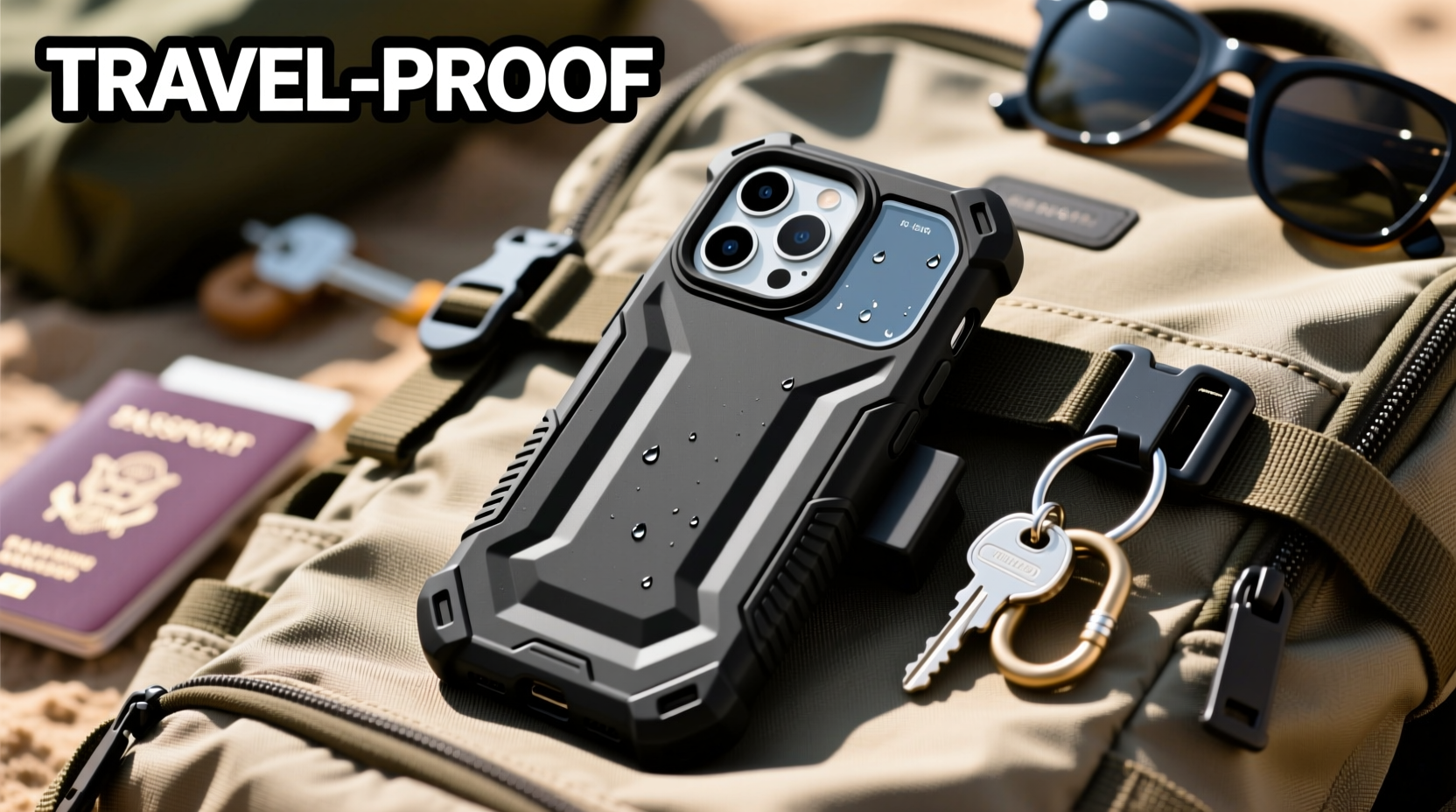
Everyday silicone or slim plastic cases may look sleek, but they’re often inadequate for real-world travel conditions. A backpack tossed onto a bus floor, a sudden rainstorm, or an accidental drop from waist height can all lead to cracked screens or internal damage. These scenarios demand more than basic scratch resistance—they require comprehensive defense against impact, environmental exposure, and mechanical stress.
According to a 2023 consumer report by TechDurability Labs, over 68% of travelers reported damaging their phones within six months of frequent trips—most commonly due to inadequate case protection. The data underscores a growing need for purpose-built solutions designed specifically for mobile lifestyles.
“Most people don’t realize how vulnerable their phones are until it’s too late. A good travel case isn’t a luxury—it’s insurance.” — Dr. Lena Torres, Mobile Device Durability Researcher, Institute for Consumer Electronics Safety
Key Features of Durable Travel Phone Cases
When evaluating phone cases for durability during travel, focus on structural integrity, material quality, and functional design. Here are the core attributes to prioritize:
- Drop Protection (MIL-STD-810G Certified): Look for cases tested to military-grade standards, which simulate repeated drops from up to 6 feet onto hard surfaces.
- Water and Dust Resistance: IP68-rated cases offer full protection against submersion in water and complete dust sealing—critical for beach trips, hikes, or monsoon climates.
- Reinforced Corners: Impact absorption is concentrated at the corners, where most drops occur. Rubberized or air-cushioned corners significantly reduce shock transmission.
- Raised Edges: Elevated bezels around the screen and camera lens prevent direct contact with flat surfaces, minimizing scratches and cracks.
- Secure Grip Texture: Textured or rubberized exteriors improve handling, reducing slip risks even with sweaty or wet hands.
Comparison: Top Case Types for Travel Scenarios
| Case Type | Best For | Impact Protection | Water Resistance | Portability |
|---|---|---|---|---|
| Rugged Hybrid (Polycarbonate + TPU) | Hiking, adventure travel | ★★★★★ | ★★★★☆ | ★★★☆☆ |
| Waterproof Hard Shell | Beach, diving, rainy regions | ★★★★☆ | ★★★★★ | ★★★☆☆ |
| Wallet-Integrated Rugged Case | Urban travel, minimal packing | ★★★★☆ | ★★★☆☆ | ★★★★☆ |
| Slim Shock-Absorbing | Business trips, light use | ★★★☆☆ | ★★☆☆☆ | ★★★★★ |
| Foldable Stand Case | Videocalls, media viewing | ★★☆☆☆ | ★☆☆☆☆ | ★★★★☆ |
Real-World Example: Trekking Through the Andes
Maria, a freelance photographer traveling across Peru, relied on her smartphone for navigation, communication, and capturing high-altitude landscapes. She initially used a standard clear case but dropped her phone on rocky terrain during a descent near Choquequirao. The screen shattered, rendering GPS unusable and putting her safety at risk.
She replaced it with a MIL-STD-810G certified case featuring reinforced corners and waterproof sealing. Over the next eight months of travel—including river crossings, sandstorms, and multiple falls—the phone remained fully functional. “That case saved not just my device,” she said, “but also my ability to work and stay safe off-grid.”
Step-by-Step Guide: Choosing & Using Your Travel Case
- Assess Your Travel Environment: Will you be exposed to water, dirt, extreme cold, or rough handling? Match your case type to these conditions.
- Verify Certification Standards: Confirm MIL-STD-810G compliance and IP67/IP68 ratings through manufacturer documentation—not marketing claims alone.
- Test Fit and Functionality: Ensure buttons remain responsive, ports are protected with flaps (if needed), and wireless charging works without removal.
- Add Screen Protection: Pair your case with a tempered glass screen protector—even the best case can’t prevent screen-on-surface impacts.
- Maintain Regularly: Clean debris from ports and edges weekly; inspect for cracks or worn seals every few weeks.
Checklist: Must-Have Qualities in a Travel-Ready Phone Case
- ✅ Meets MIL-STD-810G drop test standards
- ✅ Has IP67 or higher ingress protection rating
- ✅ Includes raised edges for screen and camera
- ✅ Features non-slip, textured grip
- ✅ Allows full access to ports and controls
- ✅ Compatible with wireless charging
- ✅ Lightweight enough for pocket carry
- ✅ Resistant to UV degradation (important in sunny destinations)
Frequently Asked Questions
Do waterproof cases affect sound quality or signal strength?
High-quality waterproof cases are engineered to preserve audio output and maintain cellular, GPS, and Wi-Fi performance. However, poorly designed models may muffle speaker sound or interfere with antennas. Stick to reputable brands that publish independent test results.
Can I use a rugged case with a phone mount or car charger?
Yes, but verify compatibility beforehand. Some ultra-thick cases may not fit snugly into magnetic mounts or docking stations. Look for cases labeled as \"MagSafe-compatible\" or those offering detachable mounting rings.
How often should I replace my travel phone case?
Inspect your case every 3–4 months for signs of wear: fading, cracking, loose buttons, or compression fatigue in the rubber lining. Even without visible damage, after 12–18 months of heavy use, protective efficacy diminishes significantly.
Final Thoughts: Build a Defense, Not Just a Cover
A durable phone case for travel is more than an accessory—it's part of your personal safety and productivity toolkit. In remote areas, a working phone means access to maps, emergency contacts, digital payments, and health information. Investing in a high-performance case ensures your device survives the journey, not just starts it.
Don’t wait for a cracked screen to take protection seriously. Evaluate your current case against the standards outlined here. Upgrade if necessary. Your future self—standing in a downpour at a foreign train station or scrambling over mountain rocks—will thank you.




 浙公网安备
33010002000092号
浙公网安备
33010002000092号 浙B2-20120091-4
Comments
No comments yet. Why don't you start the discussion?