
For restaurants, meal prep services, and home cooks managing leftovers or delivering food, selecting the right container is not just about convenience—it's about safety, presentation, and customer satisfaction. A leaking soup container can ruin packaging, create messes, and compromise hygiene. Durable soup containers with secure lids solve these problems by offering leak-resistant designs, temperature resilience, and structural integrity. Whether storing hot bisques in a commercial kitchen or packing lentil stew for lunch, the right container ensures contents remain fresh, hot (or cold), and contained. This guide explores the essential features of high-performance soup containers, evaluates material types, compares popular models, and provides practical advice for choosing the best option based on need.
Definition & Overview
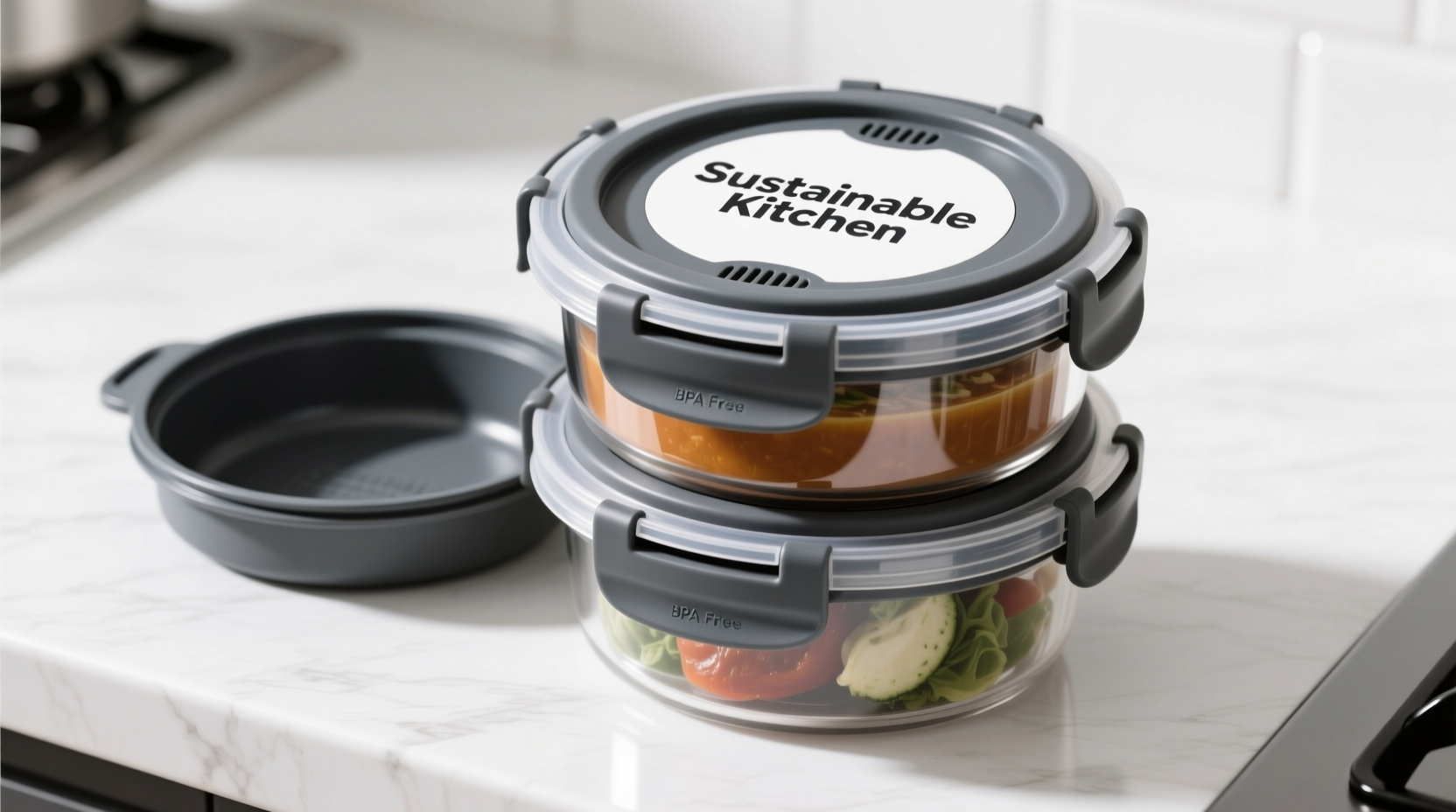
Durable soup containers with secure lids are rigid or semi-rigid food-grade vessels specifically engineered to hold liquid-based dishes such as soups, stews, chilis, broths, and sauces without leakage. Unlike flimsy deli cups or loosely fitted takeout boxes, these containers feature reinforced walls, tamper-evident seals, interlocking rims, and often vented or locking lid mechanisms that maintain an airtight closure during transport and storage.
Originally developed for institutional catering and hospital food service, modern versions now serve a wide range of users—from gourmet delivery startups to home kitchens focused on batch cooking. The defining characteristic of a “durable” soup container is its ability to withstand thermal stress (from boiling liquids to freezer temperatures), physical pressure (stacking, dropping, carrying), and repeated use if reusable. These containers come in various sizes, typically ranging from 8 oz (small side portions) to 64 oz (family-sized batches), and are made from materials including polypropylene plastic, crystallized PET (CPET), aluminum, and tempered glass.
Key Characteristics of High-Performance Soup Containers
The most effective soup containers share several critical attributes that distinguish them from standard food storage options:
- Leak Resistance: Full-perimeter sealing lids prevent spills even when tipped sideways.
- Temperature Tolerance: Capable of handling hot fills up to 212°F (100°C) and freezing down to -40°F (-40°C).
- Structural Rigidity: Thick sidewalls resist warping, cracking, or collapsing under weight.
- Material Safety: BPA-free, FDA-compliant, and non-reactive with acidic or oily foods.
- Lid Security: Snap-on, screw-top, or latch-style closures that stay sealed during transit.
- Microwave & Dishwasher Compatibility: Reusable models should tolerate reheating and cleaning cycles.
- Stackability: Designed for efficient storage and space-saving stacking.
- Eco-Friendliness: Recyclable, compostable, or designed for long-term reuse.
Expert Tip: Always perform a \"tilt test\" before serving or shipping. Fill the container with warm water, seal it, then turn it upside down for one minute. If no leaks occur, the container is suitable for liquid transport.
Practical Usage: How to Choose and Use Durable Soup Containers
Selecting the right container depends on context—whether for single-use takeout, long-term household storage, or professional catering. Below are usage guidelines tailored to different scenarios.
For Takeout and Food Delivery Services
Restaurants and cloud kitchens must prioritize spill-proof design and brand presentation. Look for containers with:
- Vented Lids: Allow steam to escape while preventing overflow; ideal for recently cooked, steaming-hot soups.
- Clear Lids: Enable visual inspection without opening, enhancing customer trust.
- Customizable Labels: Flat surfaces or tabs for branding stickers or ingredient labels.
- Insulating Sleeves (Optional): Pair with corrugated paperboard sleeves to retain heat during delivery.
A recommended practice is to cool soup slightly (to around 185°F) before filling to reduce internal pressure buildup. Overfilling increases the risk of lid blow-off due to trapped steam. Leave at least ½ inch of headspace in containers intended for immediate sealing.
For Home Meal Prep and Leftovers
Home users benefit from reusable, dishwasher-safe containers that transition seamlessly from fridge to microwave. Key considerations include:
- Uniform Sizing: Standard diameters fit better in refrigerators and stack neatly.
- Measurement Markings: Graduated volume indicators inside the container simplify portion control.
- Freezer-Safe Design: Avoids cracking when frozen soups expand.
- Odor Resistance: High-quality plastics resist absorption of strong aromas like garlic or curry.
When reheating, always remove the lid or open the vent to prevent pressure accumulation. For glass containers, ensure they are labeled oven-safe before placing in a conventional oven.
Professional Kitchen Applications
Institutional kitchens—such as hospitals, schools, and catering companies—require containers that support bulk handling, sous-vide compatibility, and compliance with health codes. Features to look for include:
- Tamper-Evident Seals: Foil or plastic films that break upon first opening.
- Barcode-Friendly Surfaces: Smooth areas for inventory tracking.
- Sous-Vide Suitability: Ability to maintain vacuum integrity during water bath cooking.
- Autoclave Resistance: For medical or lab environments requiring sterilization.
Many large-scale operations use standardized Gastronorm (GN) compatible containers, which integrate with existing shelving, steam tables, and refrigeration units.
Variants & Types of Durable Soup Containers
Not all soup containers are created equal. Different materials and closure systems suit distinct applications. Understanding the variants helps match the container to the task.
By Material
| Material | Pros | Cons | Best For |
|---|---|---|---|
| Polypropylene (PP) Plastic | Lightweight, shatterproof, microwave-safe, reusable | Can degrade over time with UV exposure; may absorb odors | Everyday home use, meal prep, moderate-heat takeout |
| Crystallized PET (CPET) | Rigid, clear, excellent clarity, oven-safe up to 400°F | Not microwave-safe; recycling limitations | Commercial bakeries, pre-packaged chilled meals |
| Aluminum | Oven-safe, lightweight, recyclable, excellent heat conductor | Not microwave-safe; single-use unless lined | Takeout delivery, disposable catering trays |
| Tempered Glass (e.g., Borosilicate) | Non-porous, odor-free, oven/microwave/dishwasher safe, eco-friendly | Heavy, fragile, higher cost | Long-term storage, high-end meal kits, sous-vide |
| Compostable Fiber (e.g., Bagasse, Bamboo) | Biodegradable, renewable, good insulation | Limited durability with prolonged liquid contact; not reusable | Eco-conscious takeout, farmers markets, short-haul delivery |
By Closure Type
- Snap-Lid Containers: Feature a full-rim snap mechanism that creates a tight seal. Common in PP and CPET. Ideal for both hot and cold storage.
- Screw-Top Jars: Threaded lids offer superior leak protection. Often used for consommés or oil-based soups. Best for glass or heavy-duty plastic.
- Clamp-Lid (Clip Top) Boxes: Use metal clamps to compress a rubber gasket between lid and body. Extremely secure; popular in European bento-style containers.
- Foil-Sealed Trays: Pre-sealed with aluminum foil, often used in ready-meal production. Require piercing or peeling to open.
- Vented Flip Lids: Hinged lids with adjustable steam vents. Common in Asian-style noodle soup packaging.
Comparison with Similar Containers
Many consumers confuse soup containers with general-purpose food storage solutions. While some overlap exists, key differences determine suitability for liquid retention.
| Container Type | Liquid Safe? | Heat Tolerance | Reusable? | Primary Use Case |
|---|---|---|---|---|
| Durable Soup Container | Yes – engineered for liquids | High (up to 212°F+) | Often (especially PP/glass) | Soups, stews, sauces |
| Deli Cup with Lid | Limited – prone to leaks | Moderate (≤160°F) | Rarely | Cold sides, condiments, dry ingredients |
| Yogurt Tub | No – thin walls, weak seal | Low (not for hot fill) | Discouraged | Single-use dairy packaging |
| Tupperware-Style Box | Sometimes – only if labeled leakproof | Variable | Yes | General leftovers, solids |
| Insulated Thermos | Yes – but narrow opening | Very high (retains heat for hours) | Yes | Personal portability, no reheating needed |
\"A true leakproof soup container isn’t defined by its material alone, but by the synergy between wall thickness, rim geometry, and lid compression force.\" — Dr. Elena Torres, Packaging Engineer, Institute of Food Technologists
Practical Tips & FAQs
How do I prevent condensation inside soup containers?
Cool the soup slightly before sealing. Leaving the lid cracked for 1–2 minutes allows excess steam to escape. Alternatively, use containers with built-in venting systems.
Can I freeze soup in plastic containers?
Yes, but only if the container is explicitly labeled \"freezer-safe.\" Avoid filling to the brim—liquids expand when frozen. Polypropylene and tempered glass are best for freezing.
Are reusable soup containers worth the investment?
For households that meal-prep weekly, yes. A set of six high-quality reusable containers pays for itself within three months compared to disposable alternatives. They also reduce environmental impact significantly.
What size container should I choose?
Standard sizes include:
- 8–12 oz: Side soups, tasting portions
- 16–24 oz: Individual main-course servings
- 32–64 oz: Family meals, batch storage
How long can soup be stored safely?
Refrigerated: Up to 4 days at 40°F or below.
Frozen: Up to 3 months for optimal flavor and texture.
Always label containers with date and contents.
Can I microwave soup in aluminum containers?
No. Metal reflects microwaves and can cause arcing or fire. Transfer contents to a microwave-safe dish first.
Do clear plastic containers yellow over time?
Lower-grade plastics may discolor when exposed to tomato-based soups or turmeric. High-quality polypropylene resists staining better. Hand washing instead of dishwasher cycles can extend clarity.
Are there eco-friendly durable options?
Yes. Tempered glass containers with silicone seals are fully recyclable and built to last decades. Some brands offer return-and-refill programs for commercial clients using reusable crates.
Action Checklist: Choosing Your Ideal Soup Container
- ✅ Define primary use: takeout, home storage, or commercial catering?
- ✅ Determine required temperature range: hot-fill, freezer, microwave?
- ✅ Select appropriate material: plastic, glass, aluminum, or compostable?
- ✅ Verify seal type: snap, screw, clamp, or foil?
- ✅ Check capacity needs: individual or family size?
- ✅ Confirm reusability and cleaning method: dishwasher-safe?
- ✅ Evaluate sustainability goals: recyclable, compostable, or reusable?
Top Recommended Brands and Models
Based on performance testing across durability, leak resistance, and usability, the following models stand out:
- OXO Good Grips LockTop Container (24 oz): Features four locking tabs and a silicone gasket. Dishwasher, microwave, and freezer safe. Ideal for home use.
- Wildhorn Stainless Steel Insulated Jar (32 oz): Double-walled vacuum insulation keeps soup hot for 8+ hours. Leakproof and rugged. Perfect for outdoor workers or travelers.
- Repurpose Compostable Soup Containers (16 oz): Made from bagasse (sugarcane fiber), sturdy enough for thick chowders. Commercially compostable.
- Anchor Hocking GlassLock (20 oz): Tempered glass with positive-locking plastic lid. Oven, microwave, and dishwasher safe. Excellent for long-term storage.
- Delipac CPET Deep Round Tray (24 oz) with Vented Lid: Used by premium meal kit services. Oven-safe up to 400°F, ideal for ready-to-bake soups.
Summary & Key Takeaways
Durable soup containers with secure lids are essential tools for maintaining food quality, safety, and convenience across home and commercial settings. Their value lies not just in containment, but in enabling efficient workflows, reducing waste, and improving customer experience in food service.
The best containers combine robust construction, reliable sealing technology, and material compatibility with the intended use—whether reheating in a microwave, enduring freezer storage, or surviving a 30-minute delivery ride. Polypropylene and tempered glass lead in reusability, while compostable fiber and aluminum serve niche eco or single-use needs.
Ultimately, investing in high-performance soup containers is an investment in consistency and professionalism. Whether you're a chef scaling up deliveries or a parent packing lunches, choosing the right vessel ensures your soups arrive intact, appetizing, and ready to enjoy.
Final Thought: Don't underestimate the power of packaging. A well-contained soup says as much about care and craftsmanship as the recipe itself.




 浙公网安备
33010002000092号
浙公网安备
33010002000092号 浙B2-20120091-4
Comments
No comments yet. Why don't you start the discussion?