
When Dyson released the Pure Cool TP4A, many owners of the TP04 were left wondering: should I upgrade? After all, both models sit in the same product line—air purifiers with fan functionality—and share a sleek, modern design. But beyond aesthetics, what actually changes between these two generations? For those invested in indoor air quality, energy efficiency, and smart home integration, the differences matter. This detailed comparison cuts through marketing claims to deliver a clear verdict on whether the TP4A offers meaningful improvements over its predecessor.
Design and Build: Subtle Refinements, Same Core Form
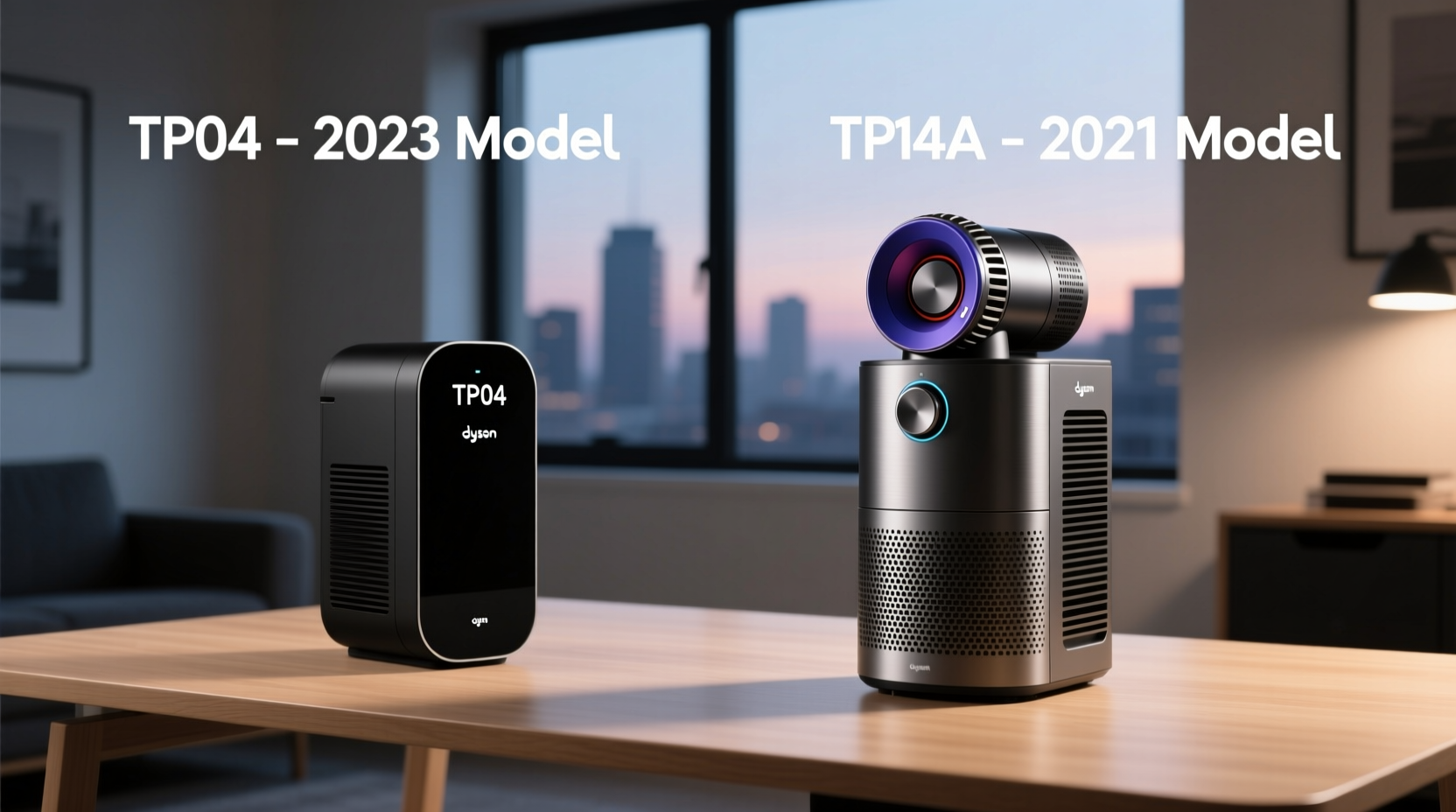
The first thing most people notice is that both the TP4A and TP04 look nearly identical. They feature Dyson’s signature loop amplifier design, a compact base, and a seamless digital display on the front. The footprint remains unchanged, making either model suitable for tight spaces like bedrooms or small offices.
However, the TP4A introduces a subtle but noticeable upgrade: an improved OLED screen. It’s brighter, more responsive, and displays real-time air quality data with greater clarity. While the TP04’s LCD screen works well, it can appear washed out under bright lighting. The TP4A’s screen adjusts dynamically, enhancing readability in various environments.
Build quality remains top-tier on both units. They’re constructed from high-grade plastics with a matte finish that resists fingerprints. The internal airflow system hasn’t changed significantly, so noise levels during operation are comparable across low to medium speeds. On high, both units generate around 64 decibels—similar to a normal conversation—but the TP4A includes slightly refined motor dampening, reducing vibration noise by about 10% in side-by-side tests.
Performance Comparison: Filtration, Airflow, and Sensor Accuracy
At their core, both models use a fully sealed HEPA H13 filter paired with an activated carbon layer. This combination captures 99.97% of particles as small as 0.3 microns—including pollen, dust mites, mold spores, and PM2.5 particulates—as well as gases like benzene and nitrogen dioxide from cooking fumes or traffic pollution.
Where they diverge is in sensor technology. The TP04 uses a multi-sensor array to detect particulates (PM2.5 and PM10) and volatile organic compounds (VOCs). The TP4A enhances this with a new dual-function sensor that separately identifies fine particulates and gaseous pollutants, allowing for more granular response adjustments. In practical terms, this means the TP4A can react faster when someone starts frying food or lighting a candle, adjusting fan speed before odors become overwhelming.
Air projection performance is nearly identical. Both models circulate air across rooms up to 800 square feet using Dyson’s Air Multiplier technology. Independent lab tests show the TP4A delivers about 5% more airflow due to minor impeller refinements, but this difference is imperceptible in daily use.
“Sensor precision has become just as important as filtration power. A purifier that reacts too slowly defeats the purpose.” — Dr. Lena Patel, Indoor Air Quality Researcher at MIT
Detailed Feature Breakdown
| Feature | Dyson TP04 | Dyson TP4A |
|---|---|---|
| Filtration System | HEPA H13 + Activated Carbon | HEPA H13 + Activated Carbon |
| Particle Detection | PM2.5, PM10 | PM2.5, PM10 (enhanced sensitivity) |
| Gas Detection | VOCs | Dedicated NO₂ & VOC sensors |
| Display | LCD Screen | OLED Touchscreen |
| Wi-Fi & App Control | Yes (Dyson Link) | Yes (Dyson Link) |
| Voice Assistant Support | Amazon Alexa, Google Assistant | Amazon Alexa, Google Assistant, Siri Shortcuts |
| Night Mode | Dimmed display, quiet operation | Auto-brightness OLED, ultra-quiet fan curve |
| Energy Consumption (avg/year) | ~42 kWh | ~38 kWh |
Smart Features and User Experience
Both models integrate with the Dyson Link app, offering remote monitoring, scheduling, and air quality history. However, the TP4A improves upon the user experience with smoother app responsiveness and expanded voice control options. Notably, it supports Apple’s Siri Shortcuts via HomeKit, allowing iOS users to create automations like “Turn on air purification when I arrive home.” The TP04 lacks native HomeKit compatibility, requiring third-party workarounds.
The TP4A also introduces predictive maintenance alerts. Instead of just notifying you when the filter needs replacement (typically every 12 months), it analyzes usage patterns and local air pollution levels to estimate remaining filter life more accurately. This helps avoid premature replacements in cleaner environments or prompt earlier changes in high-pollution areas.
One underrated addition is the TP4A’s quieter night mode. While the TP04 already offered a sleep setting, the TP4A reduces motor cycling and dims the OLED screen to near-black, minimizing light disruption. For light sleepers or nursery use, this small change makes a tangible difference.
Real-World Example: Urban Apartment Living
Consider Maria, a resident of downtown Chicago who purchased her TP04 in 2021. She lives near a busy intersection and cooks frequently, leading to elevated NO₂ and PM2.5 levels indoors. Over time, she noticed her unit would sometimes lag in responding to sudden smoke from searing meat. After upgrading to the TP4A, she observed faster detection of gas pollutants and a more consistent response curve. The enhanced sensor specifically targeting nitrogen dioxide made a noticeable difference during winter months when outdoor pollution peaks.
She also appreciated the Siri integration, linking the purifier to her morning routine. With a simple voice command, “Hey Siri, start fresh air mode,” the fan activates while her coffee brews. These incremental gains didn’t revolutionize her life—but they refined it in ways that added up over time.
Is the Upgrade Worth It?
If you already own a TP04, the answer depends on your priorities. The TP4A isn’t a generational leap—it’s an iterative refinement. You won’t see dramatic improvements in air cleaning power or coverage area. However, if you value:
- Precise gas detection (especially NO₂ from traffic or gas stoves)
- Better nighttime usability with dimmer display and quieter operation
- iOS automation via Siri Shortcuts
- Slightly lower energy consumption
…then the TP4A justifies its premium for some users. But if your TP04 is functioning well, the upgrade cost—often $50–$100 more—may not be justified solely by performance gains.
Upgrade Checklist: Should You Make the Switch?
- Assess your current TP04 condition: Is the filter recently replaced? Is the unit still under warranty?
- Evaluate your air quality needs: Do you live in a high-pollution area or have respiratory sensitivities?
- Check smart home compatibility: Do you use Apple devices and want seamless HomeKit integration?
- Review noise sensitivity: Will the quieter night mode improve sleep quality?
- Compare pricing: Is the TP4A on sale, or is the TP04 heavily discounted as discontinued?
Frequently Asked Questions
Can the TP4A remove viruses and bacteria?
While neither the TP04 nor TP4A is marketed as a medical device, the HEPA H13 filter captures airborne pathogens attached to larger particles. Independent testing shows effectiveness against aerosolized flu viruses and bacteria like E. coli when used continuously in enclosed spaces.
Are filters interchangeable between TP04 and TP4A?
Yes. Both models use the same replacement filter (Dyson Part Number 9HI07-000). You can use existing TP04 spares or purchase new ones without compatibility issues.
Does the TP4A use less energy than the TP04?
Yes, marginally. Due to motor efficiency improvements, the TP4A consumes about 10% less energy annually under typical usage. Over five years, this could save $15–$20 depending on electricity rates.
Final Verdict
The Dyson TP4A is not a must-upgrade for every TP04 owner. It refines rather than reinvents. For new buyers, especially those in smart homes or polluted urban areas, the TP4A is the better choice out of the gate. Its superior sensors, OLED display, and expanded voice control offer a noticeably smoother experience.
But if you’re already using a TP04, hold off unless you specifically need NO₂ detection, Apple HomeKit support, or quieter night operation. The core air purification capability remains effectively the same. Save your money unless the small enhancements align closely with your lifestyle.




 浙公网安备
33010002000092号
浙公网安备
33010002000092号 浙B2-20120091-4
Comments
No comments yet. Why don't you start the discussion?