
If you’ve ever opened your mouth wide, chewed food, or yawned and heard a crackling, popping, or clicking sound in your ear, you’re not alone. This sensation—often described as ears crackling when moving the jaw—is more common than many realize. While it’s usually harmless, persistent or painful crackling can signal an underlying issue involving the temporomandibular joint (TMJ), Eustachian tube function, or ear health. Understanding the root causes and knowing when to take action can prevent complications and improve comfort.
Anatomy Behind the Sound
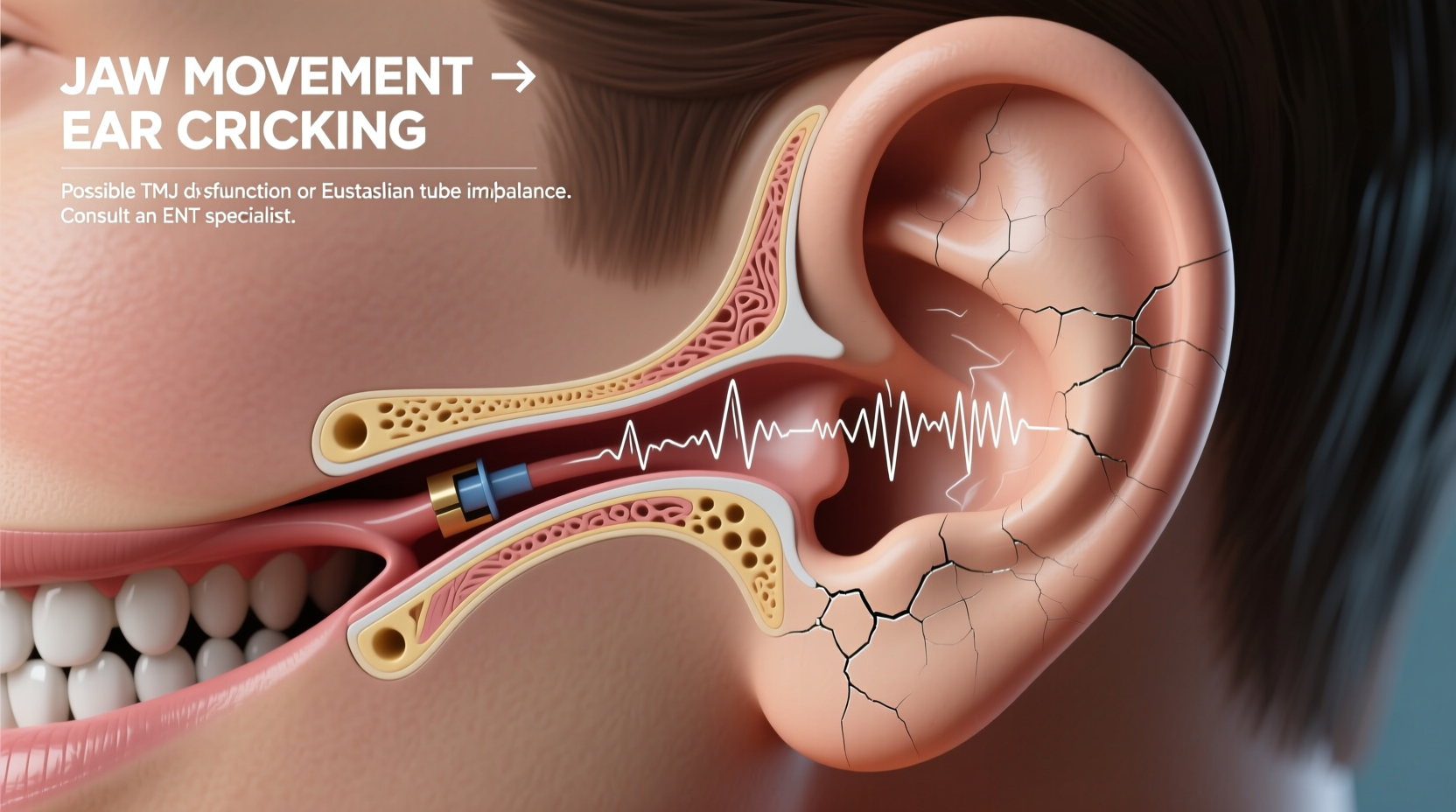
The jaw and ear are closely connected both anatomically and functionally. The temporomandibular joint (TMJ), which connects your jawbone to your skull just in front of the ear canal, operates within millimeters of critical ear structures. When you move your jaw, the motion can affect nearby tissues, muscles, and even air pressure in the middle ear.
The Eustachian tube, a small canal linking the middle ear to the back of the throat, helps regulate air pressure. It opens briefly during swallowing or yawning. If this tube is blocked or inflamed, changes in pressure may result in crackling sounds. Additionally, ligaments and tendons around the TMJ can produce audible clicks when they shift over bony prominences during movement.
Common Causes of Jaw-Related Ear Crackling
Several conditions can lead to crackling noises in the ear when moving the jaw. Most are benign, but some require professional diagnosis and treatment.
1. Temporomandibular Joint Disorder (TMD)
TMD refers to a group of conditions affecting the TMJ and surrounding muscles. Misalignment, grinding teeth (bruxism), arthritis, or injury can cause the articular disc within the joint to become displaced. As the jaw moves, the disc may snap back into place, producing a clicking or popping sound. In severe cases, patients report locking of the jaw or difficulty opening the mouth fully.
2. Eustachian Tube Dysfunction (ETD)
When the Eustachian tube fails to open and close properly, pressure imbalances occur between the middle ear and the environment. This often leads to crackling, ringing, or a feeling of fullness in the ear. ETD commonly follows colds, allergies, or sinus infections, all of which cause inflammation and congestion near the tube’s opening.
3. Earwax Buildup (Cerumen Impaction)
Excessive earwax can harden and trap air pockets. As the jaw moves, these pockets shift, creating crackling or rustling sounds. This is especially noticeable during chewing. While earwax is protective, too much can interfere with normal auditory function and contribute to discomfort.
4. Muscle Tension or Myofascial Pain
Tightness in the muscles that control jaw movement—such as the masseter or lateral pterygoid—can create abnormal tension around the TMJ. Trigger points in these muscles may refer pain to the ear and generate noise during jaw motion due to restricted tissue glide.
5. Middle Ear Myokymia or Palatal Tremor
Rarely, rhythmic contractions of tiny muscles in the middle ear (e.g., tensor tympani or stapedius) or soft palate can produce fluttering or crackling sounds synchronized with jaw movements. These are typically neurological in origin and may require specialized testing.
“Patients often don’t realize how interconnected the jaw and ear are. A ‘crackly ear’ might actually stem from clenching at night or poor posture.” — Dr. Lena Torres, Otolaryngologist
What You Can Do: Practical Steps for Relief
In many cases, self-care measures can reduce or eliminate jaw-related ear crackling. Start conservatively before considering medical intervention.
Step-by-Step Guide to Reduce Symptoms
- Apply Warm Compresses: Use a warm towel over the jaw and ear area for 10–15 minutes twice daily to relax tight muscles and improve circulation.
- Practice Gentle Jaw Stretches: Open your mouth slowly until you feel slight tension (not pain), hold for 5 seconds, then close. Repeat 5 times, 2–3 times per day.
- Avoid Chewing Gum and Hard Foods: Reduce strain on the TMJ by limiting tough meats, nuts, and gum-chewing.
- Manage Stress and Clenching: Practice mindfulness, breathing exercises, or consider a nighttime mouthguard if you grind your teeth.
- Stay Hydrated and Treat Allergies: Thin mucus helps keep Eustachian tubes clear. Use saline sprays or antihistamines if congestion persists.
When to Seek Medical Help
While occasional crackling without pain is usually not concerning, certain red flags warrant evaluation by a healthcare provider:
- Pain in the jaw, ear, or face lasting more than a few days
- Difficulty opening or closing the mouth
- Hearing loss, dizziness, or tinnitus accompanying the crackling
- Symptoms persisting beyond two weeks despite home care
| Condition | Key Symptoms | Recommended Specialist |
|---|---|---|
| TMJ Disorder | Jaw pain, clicking, limited movement, headaches | Dentist, Orofacial Pain Specialist |
| Eustachian Tube Dysfunction | Ear fullness, muffled hearing, popping | Otolaryngologist (ENT) |
| Earwax Impaction | Crackling, hearing blockage, earache | Primary Care or ENT |
| Myofascial Pain | Muscle tenderness, referred ear pain | Physical Therapist, Pain Specialist |
Mini Case Study: Resolving Chronic Ear Crackling
Sarah, a 34-year-old graphic designer, began noticing persistent crackling in her right ear every time she spoke or ate. Initially dismissing it as temporary, she eventually developed jaw soreness and mild hearing dullness. After visiting an ENT, she was diagnosed with mild Eustachian tube dysfunction exacerbated by seasonal allergies. Her dentist later identified nocturnal bruxism contributing to TMJ stress.
Her treatment plan included daily nasal irrigation, allergy management, a custom-fitted night guard, and jaw mobility exercises. Within six weeks, the crackling diminished significantly, and her comfort improved. Sarah now maintains regular dental checkups and uses a humidifier during allergy season to prevent recurrence.
Prevention Checklist
To minimize the risk of recurring ear crackling related to jaw movement, follow this actionable checklist:
- ✅ Avoid excessive gum chewing or biting nails
- ✅ Maintain good posture, especially while working at a desk
- ✅ Stay hydrated to support mucosal health in the Eustachian tube
- ✅ Use a mouthguard if you grind your teeth at night
- ✅ Treat allergies and sinus issues promptly
- ✅ Schedule regular dental visits to monitor TMJ health
Frequently Asked Questions
Is it normal for my ears to crackle when I move my jaw?
Yes, occasional crackling without pain or hearing changes is common and often due to normal joint movement or minor pressure shifts. However, frequent or painful crackling should be evaluated.
Can earwax cause crackling sounds linked to jaw motion?
Absolutely. Impacted earwax can trap air and shift with jaw movement, producing crackling or even itching sensations. Safe removal by a professional can resolve the issue.
How long does it take for TMJ-related ear symptoms to improve?
With conservative care—like heat therapy, diet modification, and stress reduction—many people see improvement within 2–6 weeks. Chronic cases may require longer-term therapy or devices.
Conclusion: Listen to Your Body, Take Action Early
Ears crackling when moving the jaw is more than just a curious sensation—it’s a signal from your body about possible imbalances in the complex system connecting your jaw, ear, and airway. While most causes are manageable with simple lifestyle adjustments, ignoring persistent symptoms can lead to worsening discomfort or functional limitations.
By understanding the anatomy, recognizing warning signs, and taking proactive steps—from hydration to seeking specialist care—you empower yourself to maintain both oral and auditory health. Don’t wait for pain to act. Small changes today can prevent bigger problems tomorrow.




 浙公网安备
33010002000092号
浙公网安备
33010002000092号 浙B2-20120091-4
Comments
No comments yet. Why don't you start the discussion?