
Eggs are now synonymous with Easter—nestled in baskets, hidden in gardens, and painted in vibrant colors each spring. But how did a simple egg become one of the most enduring symbols of this Christian holiday? The answer stretches far beyond pastel dyes and chocolate fillings. The tradition of Easter eggs is rooted in ancient customs, religious transformation, and seasonal renewal. Understanding why eggs became central to Easter reveals a fascinating blend of pagan practices, theological reinterpretation, and global cultural adaptation.
The Symbolism of Eggs Across Cultures
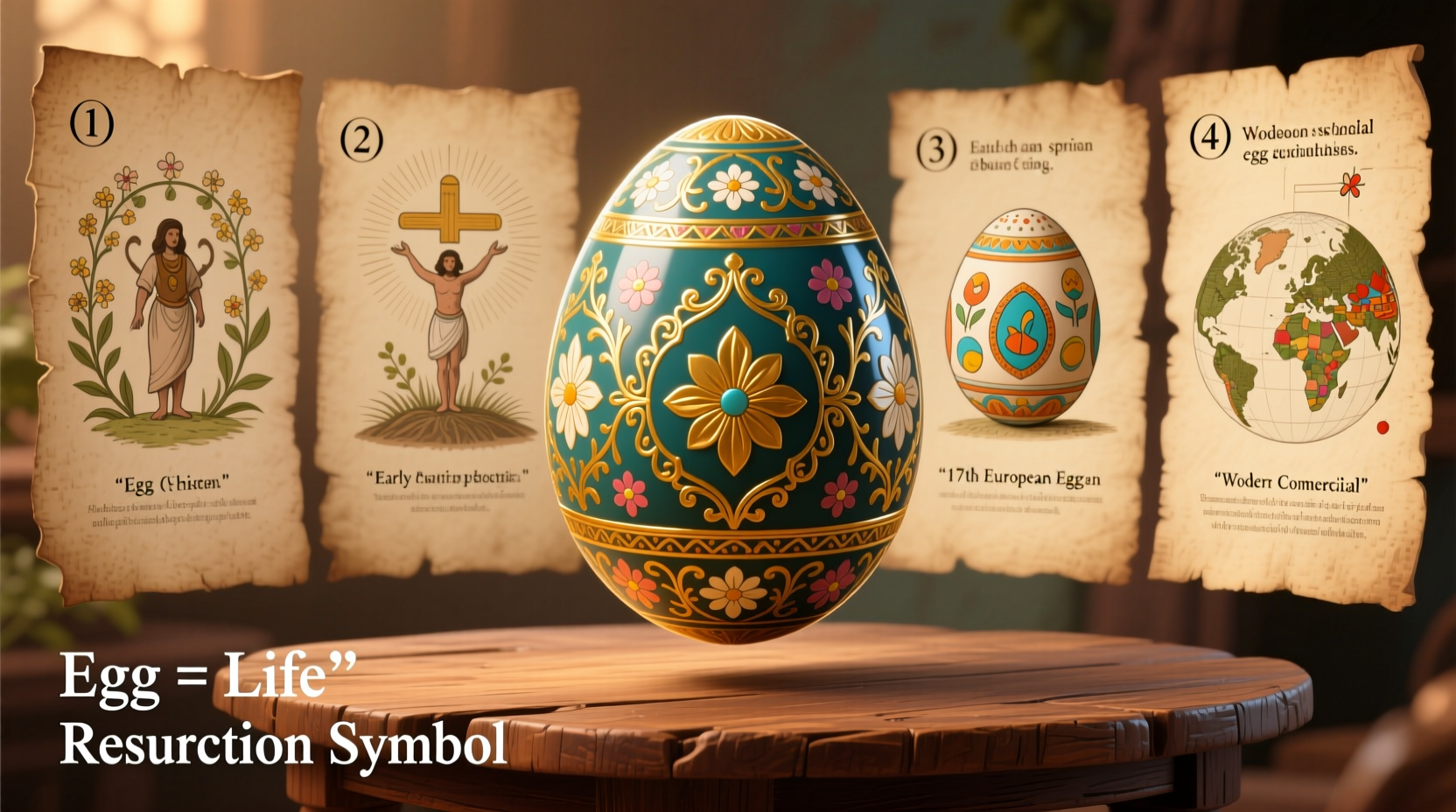
Long before Christianity, eggs symbolized new life and rebirth across civilizations. In ancient Egypt, Persia, and parts of Asia, decorated eggs were exchanged during spring festivals celebrating fertility and the awakening of nature after winter. The egg’s form—a sealed shell containing potential life—made it a powerful metaphor for creation and regeneration.
In pre-Christian Europe, many cultures marked the vernal equinox with rituals honoring the return of light and warmth. Eggs were often included in these observances as representations of the earth reawakening. Some Slavic communities practiced \"krashanka,\" where real eggs were dyed red using onion skins to symbolize the blood of Christ or the sun’s life-giving power. These traditions predated Christianity but laid symbolic groundwork later adopted by the Church.
Christian Adoption and Theological Meaning
As Christianity spread across Europe, early Church leaders sought ways to integrate existing cultural practices into Christian teachings. This process, known as inculturation, allowed converts to maintain familiar customs while infusing them with new spiritual significance. The egg was one such symbol that transitioned smoothly from pagan to Christian use.
By the Middle Ages, eggs had come to represent the resurrection of Jesus Christ. Just as a chick breaks free from its shell, Christ emerged from the tomb—transforming death into life. This analogy resonated deeply with believers. Additionally, during Lent, the 40-day period of fasting before Easter, eggs were among the foods forbidden by many Christian denominations. After weeks of abstinence, their reappearance on Easter Sunday carried both celebratory and symbolic weight.
“The egg is a profound natural sign of resurrection—the sealed tomb, the sudden emergence of life. It speaks without words.” — Dr. Margaret Flynn, Liturgical Historian, University of Notre Dame
A Global Evolution of Easter Egg Traditions
Over centuries, the practice of decorating and gifting eggs evolved differently across regions, reflecting local artistry and belief systems.
- Eastern Orthodox Christians: Often dye eggs bright red on Holy Thursday to symbolize Christ’s blood and the triumph over death.
- Germany: Introduced the concept of the Osterhase (Easter Hare) in the 1700s, which later evolved into the Easter Bunny bringing eggs to children.
- Ukraine: Famous for intricate pysanky—wax-resist decorated eggs with symbolic patterns passed down through generations.
- United Kingdom: Popularized egg rolling and egg-and-spoon races as community Easter events.
- France: Historically, church bells were said to fly to Rome and return on Easter Sunday bearing eggs for children—a folk tale replacing the rabbit narrative.
This diversity illustrates how a single symbol can be reshaped by language, folklore, and regional identity while maintaining its core association with renewal and joy.
From Real Eggs to Chocolate: The Commercial Transformation
The shift from real, hard-boiled eggs to confectionery versions began in 18th-century Europe, particularly in France and Germany. As chocolate-making techniques improved, artisans began crafting hollow egg-shaped treats. By the 19th century, companies like Cadbury and Hershey industrialized production, turning Easter eggs into mass-market commodities.
Today, billions of chocolate eggs are sold annually worldwide. While some lament the commercialization of the tradition, others see it as a way of keeping the symbolism accessible—especially for younger generations who may not observe religious aspects but still participate in egg hunts and family gatherings.
| Era | Egg Type | Cultural Significance |
|---|---|---|
| Ancient Spring Festivals | Real, naturally dyed | Fertility, seasonal rebirth |
| Medieval Christianity | Red-dyed eggs after Lent | Resurrection, breaking of the fast |
| 18th–19th Century Europe | Hand-decorated, wax-resist | Artistic expression, religious devotion |
| 20th Century Onward | Chocolate, plastic, candy-filled | Commercial celebration, family fun |
How to Honor the Tradition Meaningfully Today
Whether observed as a religious holiday or a secular spring celebration, Easter offers opportunities to reconnect with deeper meanings behind common customs. Here’s a practical checklist for engaging with Easter eggs in a thoughtful way:
📋 **Easter Egg Tradition Checklist**- Explain the symbolism: Share the story of resurrection or renewal with children during egg decorating.
- Use natural dyes: Boil eggs with turmeric (yellow), beet juice (pink), or spinach (green) for eco-friendly coloring.
- Preserve heritage crafts: Try making pysanky or krashanka if your family has Eastern European roots.
- Balance treats with meaning: Pair chocolate eggs with a book about spring or a small plant to grow at home.
- Host an educational egg hunt: Attach facts about birds, springtime, or biblical stories to each egg found.
FAQ
Why are Easter eggs traditionally red?
In Eastern Orthodox Christianity, eggs are dyed red on Holy Thursday to symbolize the blood of Christ shed on the cross. The color also represents victory over death and the joy of resurrection.
Is the Easter Bunny connected to the egg tradition?
Not originally. The Easter Bunny (or Osterhase) originated in German folklore as a judge of children’s behavior who delivered eggs. Over time, especially in American culture, the bunny became the primary egg-bringer, merging two once-separate traditions.
Can non-religious people honor Easter egg traditions?
Absolutely. The egg’s symbolism of renewal, growth, and seasonal change transcends religion. Many families celebrate spring’s arrival through egg decorating, outdoor hunts, and nature-focused activities without any religious context.
Conclusion: Reclaiming the Meaning Behind the Shell
The journey of the Easter egg—from ancient fertility token to Christian icon to modern confection—is a testament to how traditions evolve while retaining emotional resonance. More than just a decorative object or sugary treat, the egg carries layers of meaning: sacrifice, waiting, emergence, and hope. In an age of rapid consumption and fleeting trends, pausing to reflect on why we continue certain customs allows us to pass them on with intention.
Whether you’re dyeing eggs with grandchildren, organizing a neighborhood hunt, or simply enjoying a chocolate surprise, consider the deeper story beneath the shell. Let the egg remind you that even in darkness, life persists—and sometimes, it bursts forth in the most unexpected ways.




 浙公网安备
33010002000092号
浙公网安备
33010002000092号 浙B2-20120091-4
Comments
No comments yet. Why don't you start the discussion?