
Toasting baguette slices may seem simple, but mastering the technique transforms them from bland sidepieces into golden, aromatic foundations for appetizers, bruschetta, or cheese boards. Whether you're preparing a quick snack or elevating a dinner party starter, the right method ensures crisp edges, a tender crumb, and just the right amount of color. The key lies not in complexity, but in attention to detail—choosing the right cut, applying fat wisely, and selecting the optimal heat source.
Beyond texture, flavor matters. A well-toasted baguette carries subtle nuttiness and warmth that enhances any topping. Done poorly, it can turn leathery, burnt, or unevenly cooked. This guide covers multiple foolproof techniques—oven, toaster oven, stovetop, and broiler—along with seasoning ideas, timing tips, and common pitfalls to avoid. By the end, you’ll know exactly how to produce consistently excellent results with minimal effort.
Choosing the Right Baguette and Slicing Technique
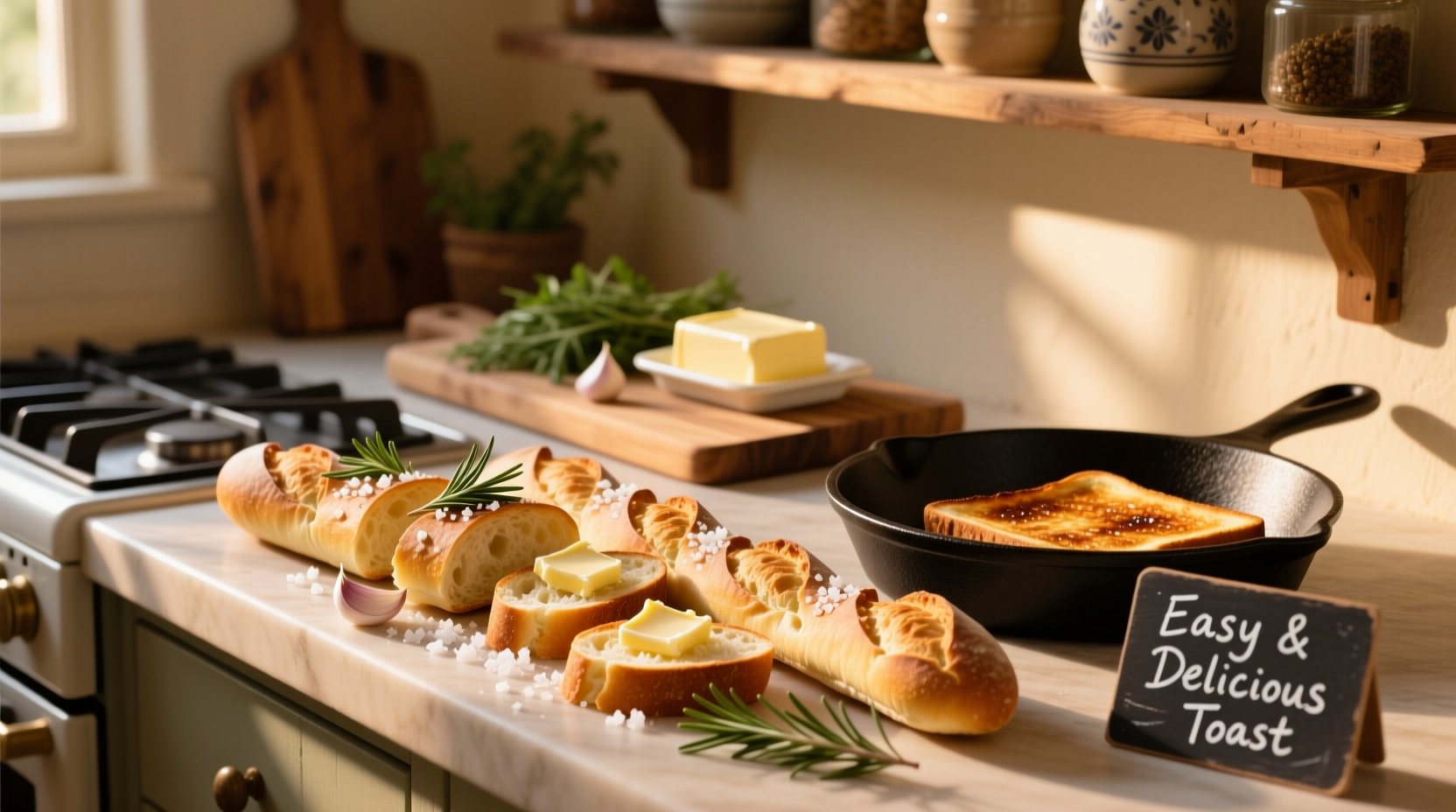
The foundation of great toast starts before the heat even hits. Not all baguettes are created equal. For toasting, seek one baked within the last 24 hours. Freshness ensures a moist interior that crisps without shattering. Avoid pre-sliced or packaged varieties labeled “French bread,” which often lack the airy structure and crust integrity of a true artisan baguette.
Slicing thickness dramatically affects outcome:
- Thin slices (¼ inch): Ideal for crostini or canapés. They toast quickly and become uniformly crisp.
- Medium slices (½ inch): Best for bruschetta or open-faced toppings. Retains softness inside while developing a sturdy crust.
- Thick slices (¾ inch or more): Suited for heartier applications like avocado toast or garlic bread. Risk undercooking internally if not monitored.
For even toasting, aim for consistent thickness across all slices. If the baguette is slightly stale, don’t discard it—older bread actually holds up better on the grill or in the oven, absorbing oils without turning soggy.
Top 4 Methods to Toast Baguette Slices Perfectly
Different tools yield different textures. Here’s how each method performs, along with recommended use cases.
| Method | Time | Texture Result | Best For |
|---|---|---|---|
| Oven (375°F) | 10–14 minutes | Evenly golden, crisp exterior, soft center | Bulk prep, bruschetta bases |
| Toaster Oven | 6–9 minutes | Crispy, slightly drier than oven | Small batches, speed |
| Stovetop (skillet) | 2–3 minutes per side | Rustic char, chewy-crisp balance | Garlic bread, panini-style |
| Broiler | 2–4 minutes | Fast, high browning, watch closely | Finishing topped toast, last-minute prep |
Oven Method – Most Reliable for Even Results
- Preheat oven to 375°F (190°C).
- Arrange slices in a single layer on a baking sheet.
- Lightly brush both sides with olive oil (optional but recommended).
- Toast for 10–14 minutes, flipping halfway through.
- Remove when golden brown and crisp to the touch.
Stovetop Skillet – Fast and Flavorful with Char
Heat a cast-iron or nonstick skillet over medium heat. Add slices one at a time, dry or oiled. Press lightly with a spatula for even contact. Cook 2–3 minutes per side until speckled with golden-brown spots. This method develops deeper Maillard reactions, adding savory depth ideal for rustic dishes.
“On the stove, you’re not just toasting—you’re building flavor through controlled caramelization.” — Chef Marco Renzi, Culinary Instructor
Flavor Boosters: Simple Ingredients, Big Impact
A plain toasted baguette slice is a blank canvas. Elevate it with minimal additions:
- Garlic Rub: After toasting, rub the surface with a cut clove. The residual heat releases essential oils without raw bite.
- Herb Oil: Infuse olive oil with rosemary, thyme, or basil. Brush before or after toasting.
- Lemon Zest & Parmesan: Sprinkle finely grated zest and cheese during the last two minutes of baking.
- Chili Flakes: Add a pinch with oil before baking for gentle heat.
For sweeter applications—like almond butter or fruit preserves—try brushing slices with melted butter and a dusting of cinnamon before toasting.
Real Example: Brunch Spread Success Story
Sophia, a home cook in Portland, used to struggle with soggy bruschetta at weekend gatherings. Her tomatoes would bleed moisture, making the bread limp. She switched to toasting thicker baguette slices at 375°F for 12 minutes, then rubbing each with garlic and drizzling with extra virgin olive oil *after* toasting. This created a moisture-resistant barrier. Topped just before serving, her bruschetta stayed crisp for over an hour—even outdoors. Guests consistently praised the texture, calling it “restaurant-quality.”
Her secret? Timing and order. Toast first, season second, top last.
Common Mistakes and How to Avoid Them
Even experienced cooks make missteps. These errors are easily corrected:
| Mistake | Why It Happens | Solution |
|---|---|---|
| Burnt edges, soft centers | Oven too hot or slices too thick | Lower temperature, flip halfway, monitor closely |
| Soggy toast after topping | Adding wet ingredients too early | Apply oil or cheese barrier; top immediately before serving |
| Uneven browning | Crowded baking sheet or inconsistent slicing | Leave space between slices; use uniform cuts |
| Bland flavor | No seasoning or fat applied | Brush with olive oil and season before toasting |
Quick Checklist for Perfect Toasted Baguette Slices
- ✅ Use a fresh, high-quality baguette
- ✅ Slice evenly (¼ to ½ inch thick)
- ✅ Preheat your chosen cooking method
- ✅ Lightly coat with olive oil or butter
- ✅ Season before or during toasting (salt, herbs, garlic)
- ✅ Arrange in single layer with space between slices
- ✅ Flip halfway for even browning (except under broiler)
- ✅ Cool slightly before topping to preserve crispness
Frequently Asked Questions
Can I toast baguette slices without oil?
Yes, but oil enhances browning, adds richness, and helps seasonings adhere. For oil-free versions, use a dry skillet or bake at 350°F for 15 minutes, watching closely to prevent burning.
How do I keep toasted baguette slices crispy for later?
Store cooled, untopped slices in an airtight container at room temperature for up to 2 days. Re-crisp in a 350°F oven for 3–5 minutes before serving. Do not refrigerate—they’ll turn rubbery.
What’s the difference between crostini and bruschetta?
Crostini are smaller, thinner, and often served with delicate toppings like whipped goat cheese or smoked salmon. Bruschetta uses wider, thicker slices, typically rubbed with garlic and topped with chopped tomatoes, basil, and olive oil.
Master the Basics, Elevate Every Meal
Toasting baguette slices well isn’t about fancy equipment—it’s about intention. With the right slice, a light hand with oil, and proper heat control, you create a foundation that elevates everything from simple snacks to gourmet spreads. Whether you're hosting guests or enjoying a quiet evening, perfectly toasted bread adds warmth and sophistication to the table.




 浙公网安备
33010002000092号
浙公网安备
33010002000092号 浙B2-20120091-4
Comments
No comments yet. Why don't you start the discussion?