
Broccoli is a nutritional powerhouse—rich in fiber, vitamin C, and antioxidants—but its freshness doesn’t last forever. Whether you’ve harvested too much from your garden or scored a great deal at the market, freezing is one of the most effective ways to preserve its quality. However, tossing raw broccoli into the freezer leads to mushy, discolored results. The key lies in proper preparation. This guide walks you through the science-backed method for freezing broccoli that maintains its vibrant color, firm texture, and nutritional value for up to 12 months.
Why Blanching Is Essential
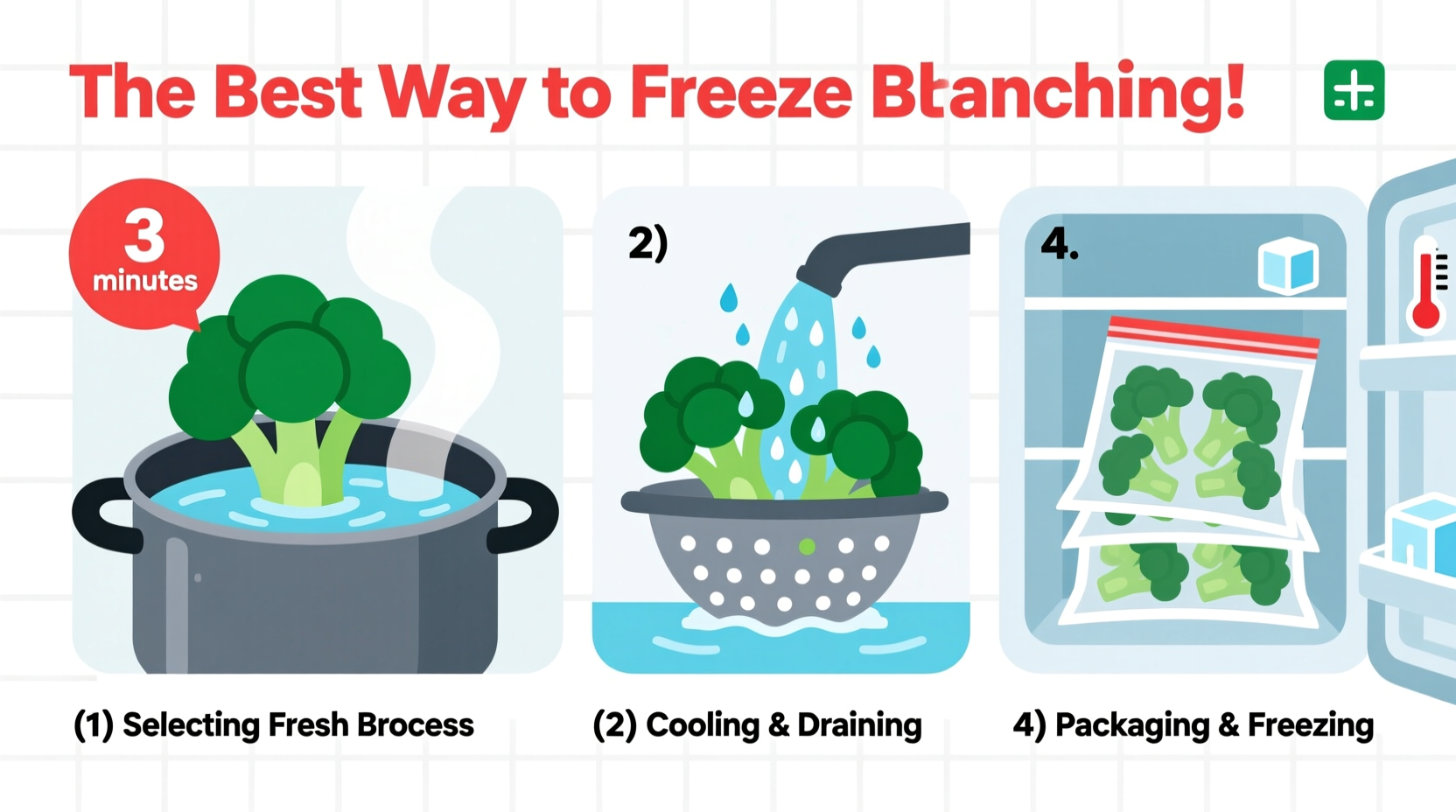
Freezing raw broccoli might seem convenient, but it compromises both taste and texture. When vegetables are frozen without blanching, enzymes continue to act even at sub-zero temperatures. These enzymes break down cell structures, leading to off-flavors, discoloration, and loss of nutrients over time.
Blanching—briefly boiling and then rapidly cooling vegetables—halts enzyme activity, preserving quality during storage. According to the National Center for Home Food Preservation, blanching also helps remove surface dirt and microorganisms while brightening the color of green vegetables like broccoli.
“Blanching isn’t just a step—it’s the foundation of successful vegetable freezing. Skipping it means sacrificing shelf life and quality.” — Dr. Linda Harris, Food Safety Specialist, UC Davis
Step-by-Step Guide to Freezing Broccoli
Follow this detailed process to freeze broccoli properly. Each stage plays a crucial role in maintaining quality.
- Wash thoroughly: Rinse broccoli heads under cool running water. Use a soft brush to clean crevices where dirt can hide.
- Cut into uniform florets: Trim stems and separate into bite-sized pieces (about 1–1.5 inches). Uniform size ensures even blanching.
- Prepare ice bath: Fill a large bowl with cold water and ice. This stops cooking immediately after blanching.
- Boil water: Bring a large pot of water to a rolling boil. Use about 1 gallon of water per pound of broccoli.
- Blanch for 3 minutes: Submerge florets in boiling water. Start timing once the water returns to a boil.
- Shock in ice bath: Transfer broccoli to the ice bath for exactly 3 minutes to halt heat penetration.
- Drain and dry: Spread on clean kitchen towels or paper towels. Pat dry thoroughly—moisture causes freezer burn.
- Flash freeze: Arrange florets in a single layer on a baking sheet. Freeze for 1–2 hours until solid.
- Pack for long-term storage: Transfer frozen pieces to labeled resealable freezer bags or airtight containers. Remove excess air before sealing.
- Label and store: Write the date and contents. Store at 0°F (-18°C) or lower for up to 12 months.
Do’s and Don’ts of Freezing Broccoli
| Do’s | Don’ts |
|---|---|
| Blanch broccoli before freezing | Freeze raw, unblanched broccoli |
| Dry florets completely before packaging | Pack wet broccoli (leads to clumping and ice crystals) |
| Use airtight, freezer-safe containers or bags | Use regular plastic bags or leave containers partially open |
| Remove as much air as possible from bags | Leave excess air in packaging (promotes oxidation) |
| Consume within 12 months for best quality | Keep beyond 14 months (quality declines significantly) |
Real Example: A Gardener’s Harvest Solution
Sarah, a home gardener in Oregon, grows three varieties of broccoli each season. Last summer, her plants produced an unexpected surplus—over 10 pounds in two weeks. Rather than let half go to waste, she applied the blanch-and-freeze method described here.
She processed two pounds at a time, using a 12-quart stockpot and a large cooler filled with ice for the chilling bath. After drying and flash-freezing, she stored portions in vacuum-sealed bags labeled by date. Nine months later, she used the frozen broccoli in soups and casseroles. “It tasted nearly as fresh as the day I picked it,” she said. “The texture held up beautifully in stir-fries too.”
Sarah now freezes in batches throughout the growing season, ensuring her family enjoys homegrown broccoli year-round without compromise.
How to Use Frozen Broccoli
Frozen broccoli should not be thawed before cooking—it becomes soggy. Instead, add it directly to hot dishes. Here are optimal methods:
- Steaming: Place frozen florets in a steamer basket over boiling water for 5–7 minutes until tender-crisp.
- Stir-frying: Add to a hot wok or skillet with oil. Cook 6–8 minutes, stirring frequently.
- Baking: Toss with olive oil and spices, then roast at 425°F (220°C) for 20–25 minutes.
- Boiling/Soups: Add directly to boiling broth or pasta water. Simmer 7–10 minutes.
For smoothies or blended soups, frozen broccoli works perfectly—its texture matters less, and the nutrients remain intact.
FAQ: Common Questions About Freezing Broccoli
Can I freeze whole broccoli heads?
While possible, it’s not recommended. Whole heads freeze unevenly, making them difficult to cook later. Cutting into florets ensures consistent blanching, faster freezing, and easier portioning.
Is it safe to skip blanching if I plan to use it within 2 months?
You can, but expect diminished quality. Even short-term freezing without blanching may result in faded color and off-flavors. For best results, always blanch—even for quick storage.
Can I refreeze thawed broccoli?
No. Once broccoli has thawed, its cell structure breaks down, increasing the risk of bacterial growth and mushiness. Cook it immediately after thawing and do not refreeze leftovers.
Checklist: How to Freeze Broccoli Successfully
- ☐ Wash broccoli thoroughly
- ☐ Cut into uniform florets
- ☐ Prepare ice bath (equal parts ice and water)
- ☐ Boil water in a large pot
- ☐ Blanch florets for 3 minutes
- ☐ Cool in ice bath for 3 minutes
- ☐ Drain and pat dry completely
- ☐ Flash freeze on a tray for 1–2 hours
- ☐ Pack into airtight, labeled freezer bags
- ☐ Store at 0°F (-18°C) or below
Conclusion: Preserve Freshness with Confidence
Freezing broccoli correctly takes a little effort, but the payoff is substantial: access to nutritious, high-quality vegetables all year without relying on store-bought options that may have traveled thousands of miles. By following the blanching method, drying thoroughly, and storing properly, you protect both flavor and texture. Whether you’re meal prepping, reducing food waste, or enjoying seasonal produce off-season, this technique ensures your broccoli remains a kitchen staple in peak condition.




 浙公网安备
33010002000092号
浙公网安备
33010002000092号 浙B2-20120091-4
Comments
No comments yet. Why don't you start the discussion?