
For many, breakfast is the most important meal of the day—but also the hardest to prepare when time is tight. Between school drop-offs, early meetings, or simply hitting snooze one too many times, scrambling eggs on the stove can feel like a luxury. Enter the microwave: an underused kitchen tool that can deliver perfectly cooked eggs in minutes, with almost no cleanup. Far from being just a reheating device, your microwave can be a powerful ally in crafting fast, nutritious, and delicious egg dishes. From fluffy scrambled eggs to soft-poached styles and even mini omelets, these techniques are designed for real-life kitchens where speed, simplicity, and taste matter.
Why Microwave Eggs Work—and Work Well
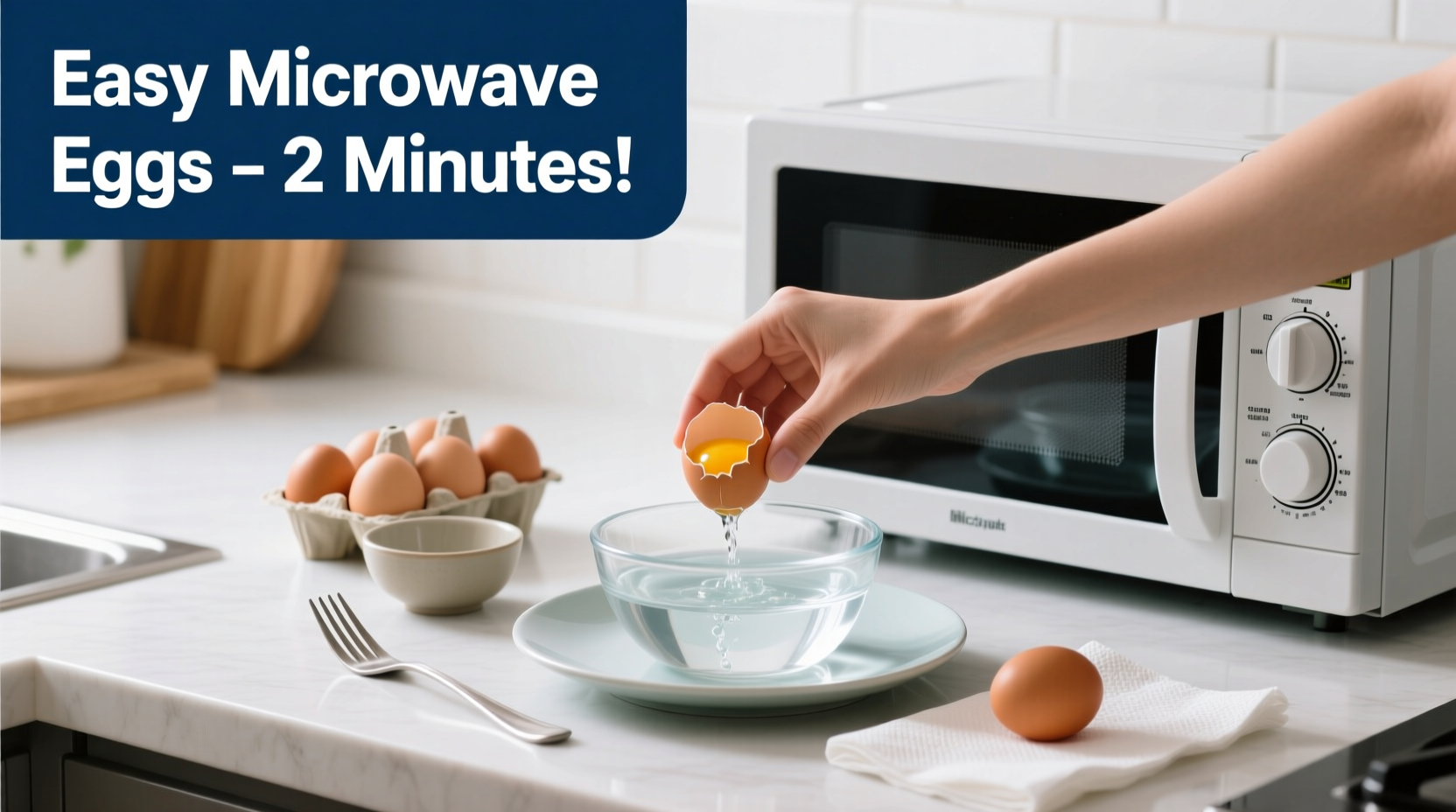
The key to successful microwave-cooked eggs lies in understanding how microwaves heat food. Unlike stovetop cooking, which applies heat from the bottom up, microwaves agitate water molecules throughout the food, leading to faster and more even heating. Eggs, rich in protein and moisture, respond exceptionally well to this method when handled correctly.
Microwave cooking also reduces the risk of overcooking if monitored closely. Because the process is so fast, you can go from raw to ready in under two minutes. This makes it ideal for single servings, last-minute meals, or situations where using the stove isn’t practical—like dorm rooms, office kitchens, or small apartments.
“Microwaves can actually preserve more nutrients in eggs compared to prolonged stovetop frying, especially when cooking times are kept short.” — Dr. Lena Torres, Food Scientist & Culinary Researcher
Step-by-Step Guide to 5 Quick Microwave Egg Methods
Below are five reliable, tested methods for preparing different styles of eggs in the microwave. Each requires basic ingredients, takes less than five minutes, and delivers consistent results.
1. Fluffy Scrambled Eggs
- Crack 2 eggs into a microwave-safe bowl.
- Add 2 tablespoons of milk (or water for a lighter texture) and whisk vigorously with a fork until fully blended.
- Season with salt, pepper, and a pinch of butter (optional).
- Microwave on high for 45 seconds. Remove and stir gently with a fork.
- Microwave in 15-second intervals, stirring between each, until eggs are just set but still moist (usually 60–90 seconds total).
2. Poached-Style Egg in a Mug
- Fill a microwave-safe mug or ramekin halfway with water (about 1/2 cup).
- Add 1/2 teaspoon of vinegar to help the whites coagulate.
- Crack one egg gently into the water.
- Cover the mug with a small plate to prevent splatter.
- Microwave on high for 60–75 seconds, depending on wattage. The yolk should be runny, the white firm.
- Carefully remove with a slotted spoon and season.
3. Single-Serving Omelet in a Bowl
- Whisk 2 eggs with 1 tablespoon of milk, salt, and pepper.
- Stir in small handfuls of diced vegetables, cheese, or cooked ham.
- Pour into a lightly greased microwave-safe bowl or deep plate.
- Cook on high for 1 minute, then reduce power to 50% and cook for another 1–2 minutes until center is set.
- Fold in half with a spatula before serving.
4. Sunny-Side Up (Simulated)
- Grease a flat microwave-safe plate with butter or oil.
- Crack one egg onto the plate. Pierce the yolk membrane once with a toothpick to prevent explosions.
- Microwave on medium-high (70% power) for 45–60 seconds, watching closely.
- Remove when the white is fully opaque and the yolk remains soft.
5. Microwave “Boiled” Egg (Soft-Cooked)
- Place an egg in a tall microwave-safe cup and cover with water (at least 1 inch above egg).
- Add a pinch of salt to reduce cracking risk.
- Microwave on high for 6 minutes. Let sit in water for 1 minute after.
- Cool under running water before peeling. Yields a soft-boiled egg with a runny yolk.
Do’s and Don’ts of Microwave Egg Cooking
| Do’s | Don’ts |
|---|---|
| Use microwave-safe containers | Never microwave eggs in the shell |
| Pierce yolks before cooking | Overcook eggs—stick to short bursts |
| Stir scrambled eggs midway | Use metal utensils or containers |
| Cover dishes to minimize mess | Add too much liquid to omelets |
| Adjust timing based on wattage (800W vs. 1200W) | Leave unattended—watch closely |
Real-Life Example: How Sarah Saves 20 Minutes Every Morning
Sarah, a nurse working 12-hour shifts, used to skip breakfast or grab sugary pastries on her way to the hospital. After learning about microwave eggs, she started preparing a quick veggie omelet every morning. She pre-chops peppers and spinach the night before, stores them in a small container, and combines them with two eggs in a bowl. In under three minutes, she has a hot, protein-rich meal ready. “It’s changed my energy levels,” she says. “I’m not crashing by 10 a.m. anymore. And cleanup is just one bowl and a fork.”
This kind of routine is replicable for anyone with a microwave and a few spare minutes. The flexibility allows customization—cheese, salsa, herbs, or leftovers can all be added easily.
Essential Checklist for Perfect Microwave Eggs
- ✅ Use only microwave-safe dishes
- ✅ Crack eggs into a bowl—never directly into the microwave
- ✅ Whisk thoroughly for scrambled or omelet styles
- ✅ Add a splash of milk or water for fluffier texture
- ✅ Cover with a plate or paper towel to prevent splatters
- ✅ Cook in short intervals, stirring or checking frequently
- ✅ Season after cooking if unsure—salt can draw out moisture
- ✅ Let eggs rest for 30 seconds after cooking for even texture
Frequently Asked Questions
Can I cook multiple eggs at once in the microwave?
Yes, but adjust cooking time carefully. For 3–4 eggs, start with 1.5 minutes, then add 20–30 second increments. Stirring halfway helps ensure even cooking. Avoid overcrowding the bowl.
Why do my microwaved eggs sometimes explode?
Eggs can burst due to rapid steam buildup, especially if the yolk membrane isn’t pierced or if cooked at full power for too long. Always pierce yolks, use lower power settings for delicate preparations, and cover dishes to contain mess.
Are microwaved eggs as nutritious as stovetop eggs?
Absolutely. Cooking method doesn’t significantly alter the nutritional profile of eggs. In fact, shorter cooking times in the microwave may preserve more heat-sensitive nutrients like vitamin B12 and antioxidants found in yolks.
Mastering the Morning: A Simpler Way to Start Your Day
Learning how to make eggs in the microwave isn’t just about convenience—it’s about reclaiming time, reducing stress, and nourishing your body without sacrificing flavor or quality. Whether you’re a student, a parent, a remote worker, or someone who just hates doing dishes, these methods offer a realistic solution to one of life’s daily demands: eating well, even when you’re in a rush.
With a little practice, you’ll find your preferred technique—maybe it’s the creamy scramble, the diner-style omelet, or the mug poach served over toast. The beauty lies in its adaptability. Try adding feta and spinach, dicing in leftover chicken, or topping with hot sauce for a personal twist.




 浙公网安备
33010002000092号
浙公网安备
33010002000092号 浙B2-20120091-4
Comments
No comments yet. Why don't you start the discussion?