
Carrying small essentials like coins, cards, or keys shouldn’t mean sacrificing organization or security. A keychain coin purse is a compact, stylish solution—but only if it’s attached securely and conveniently to your everyday bag. Too often, these little accessories dangle loosely, get lost in the depths of a tote, or snap off at the wrong moment. The right attachment method keeps your coin purse accessible, prevents loss, and enhances the overall functionality of your carry.
Whether you use a backpack, crossbody, tote, or handbag, how you connect your coin purse matters. From simple clips to advanced modular systems, there are multiple reliable techniques that balance ease of use with durability. Below are proven methods, practical tips, and real-world insights to help you integrate your coin purse seamlessly into your daily routine.
Why Secure Attachment Matters
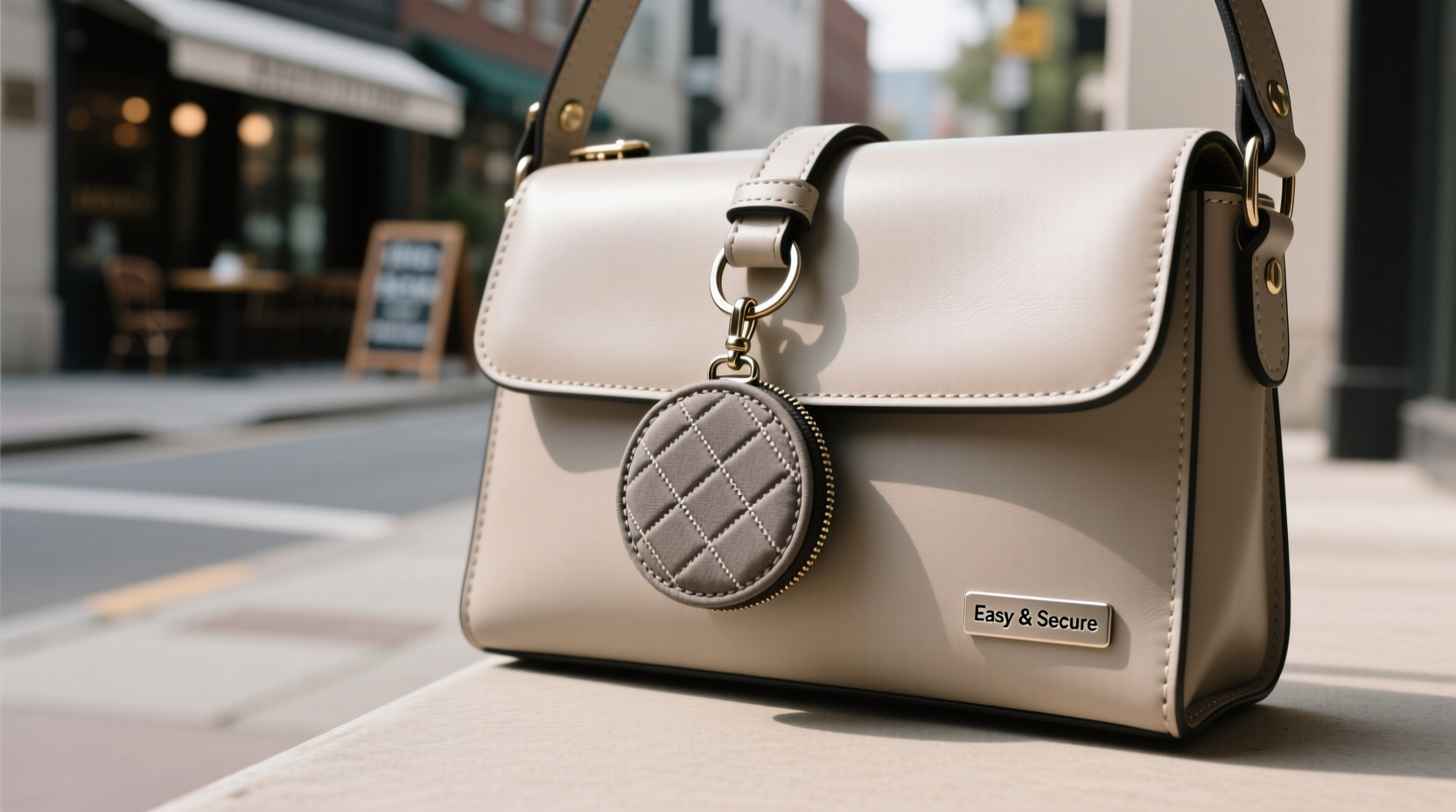
A loose coin purse might seem harmless until it slips off during a commute or gets caught on a door handle. Beyond the risk of losing money or ID, poorly secured accessories can damage your bag’s hardware or stitching over time. A well-attached coin purse stays within reach, reduces clutter inside your bag, and contributes to a streamlined look.
Security also means resistance to tampering. In crowded spaces—subways, festivals, markets—a dangling item is an easy target. Attaching your coin purse thoughtfully minimizes visibility and accessibility to opportunistic theft while maximizing personal convenience.
Best Methods to Attach Your Coin Purse
Not all attachment methods are created equal. Some prioritize speed, others security, and some offer customization. Here are five effective approaches, each suited to different needs and bag types.
1. Carabiner Clip with Swivel Lock
A sturdy carabiner, especially one with a screw-lock mechanism, offers quick access and strong retention. Opt for a swivel design so the purse rotates freely without tangling. Clip it directly to a D-ring, zipper pull, or strap anchor point on your bag.
2. Key Ring + Paracord Lanyard
Thread your coin purse onto a heavy-duty key ring, then attach a short paracord lanyard (6–8 inches) tied to a fixed point on your bag. The knot should be tight and sealed with a drop of clear nail polish to prevent fraying. This method allows slight movement while keeping the purse tethered.
3. Magnetic Snap Strap
For minimalist aesthetics, consider a thin magnetic strap made of nylon or leather. One end attaches to the coin purse via a loop, the other snaps magnetically to a metal stud or plate sewn into your bag. It’s quiet, discreet, and releases only when pulled firmly apart.
4. Zipper Pull Integration
Replace your bag’s standard zipper pull with a double-ended pull that includes a small loop or hook. Attach the coin purse directly to this secondary loop. Every time you open your main compartment, your purse comes into view—perfect for frequent access.
5. Modular EDC Slide System
Advanced users may prefer an EDC (Everyday Carry) slide rail, such as those from Nite Ize or Maxpedition. These low-profile tracks mount inside or outside your bag, allowing tools and pouches—including coin purses—to slide and lock into place. Ideal for tactical or organizational-focused bags.
“Attachment isn’t just about function—it’s about flow. When your gear moves with you instead of against you, you gain confidence and efficiency.” — Jordan Lee, Urban Gear Designer
Step-by-Step Guide: Securing a Coin Purse to a Crossbody Bag
If you're using a typical crossbody bag with external D-rings and zippers, follow this sequence for optimal placement and security:
- Choose the attachment point: Select a reinforced D-ring near the top edge of the bag, preferably on the side opposite your dominant hand to avoid snagging.
- Select your connector: Use a locking carabiner or split key ring with a safety clasp. Avoid flimsy open rings.
- Attach the purse: Open the connector and thread it through the coin purse’s built-in loop or hole. Ensure the closure is fully engaged.
- Connect to the bag: Clip the connector to the chosen D-ring. Do not double-wrap unless the ring is oversized, as this can weaken the connection.
- Test the setup: Gently shake the bag and tug on the purse. It should stay firmly in place without wobbling excessively.
- Adjust length (if needed): If using a lanyard, trim excess cord and seal ends to prevent unraveling.
Do’s and Don’ts: Attachment Best Practices
| Do | Don't |
|---|---|
| Use locking mechanisms for high-traffic areas | Rely solely on open split rings |
| Match metal finishes (e.g., silver with silver) for visual harmony | Overload the purse with heavy items that strain the attachment |
| Inspect clips monthly for wear or deformation | Attach to fabric loops not designed for weight |
| Keep the purse size proportional to your bag | Let chains or cords dangle more than 3 inches below the bag |
Real Example: Commuter’s Upgrade
Sophie, a graphic designer in Chicago, used to keep her coin purse loose in her canvas tote. She frequently misplaced it during train rides or coffee runs. After reading about secure attachment methods, she purchased a titanium micro-carabiner and clipped her brass coin purse to the D-ring on her bag’s front pocket.
Within a week, she noticed fewer delays fumbling through her bag and zero instances of misplacement. “It’s such a small change,” she said, “but now I always know exactly where my change and transit card are. Plus, it looks intentional, not messy.”
Checklist: Secure Coin Purse Setup
- ✅ Choose a durable connector (locking carabiner, safety key ring)
- ✅ Identify a strong attachment point on your bag (D-ring, strap anchor)
- ✅ Ensure the coin purse loop is intact and sized correctly
- ✅ Test the connection under light stress
- ✅ Position the purse for easy access but minimal exposure
- ✅ Inspect monthly for signs of wear or loosening
Frequently Asked Questions
Can I attach a coin purse to a bag without D-rings?
Yes. Use alternative points like zipper pulls, internal organizer tabs, or even a small adhesive-backed metal loop designed for lightweight items. For permanent solutions, a tailor can sew on a reinforced loop or eyelet.
Will attaching a coin purse damage my bag?
Not if done correctly. Avoid overloading the purse and never force a clip onto delicate hardware. Stick to designated anchor points and inspect regularly for rubbing or fraying.
What’s the most discreet way to carry a coin purse?
Use a magnetic snap strap or integrate it into a zipper pull system. These options keep the purse flush with the bag and reduce visual clutter, ideal for professional or minimalist styles.
Final Thoughts: Small Details, Big Impact
The way you carry your essentials reflects your relationship with your belongings—intentional or incidental. A securely attached coin purse isn’t just about preventing loss; it’s about designing a carry system that supports your rhythm, reduces friction, and builds confidence.
From choosing the right clip to positioning it for daily use, every detail contributes to a smoother experience. Whether you’re navigating city streets, traveling abroad, or simply running errands, knowing your small items are safe and accessible makes all the difference.




 浙公网安备
33010002000092号
浙公网安备
33010002000092号 浙B2-20120091-4
Comments
No comments yet. Why don't you start the discussion?