
Carrying loose change can be messy, and digging through pockets or bags for a few coins is frustrating. A mini coin purse offers an elegant solution—but only if it’s easily accessible. Attaching it directly to your keychain combines utility with simplicity, keeping small change, cards, or even emergency cash within reach at all times. The challenge? Doing so securely, without adding excessive bulk or risking damage to your keys, bag, or the purse itself.
This guide explores practical, tested methods to integrate a mini coin purse into your daily carry system. From selecting the right attachment hardware to avoiding common pitfalls, you’ll learn how to maintain both functionality and peace of mind.
Why Attach a Coin Purse to Your Keychain?
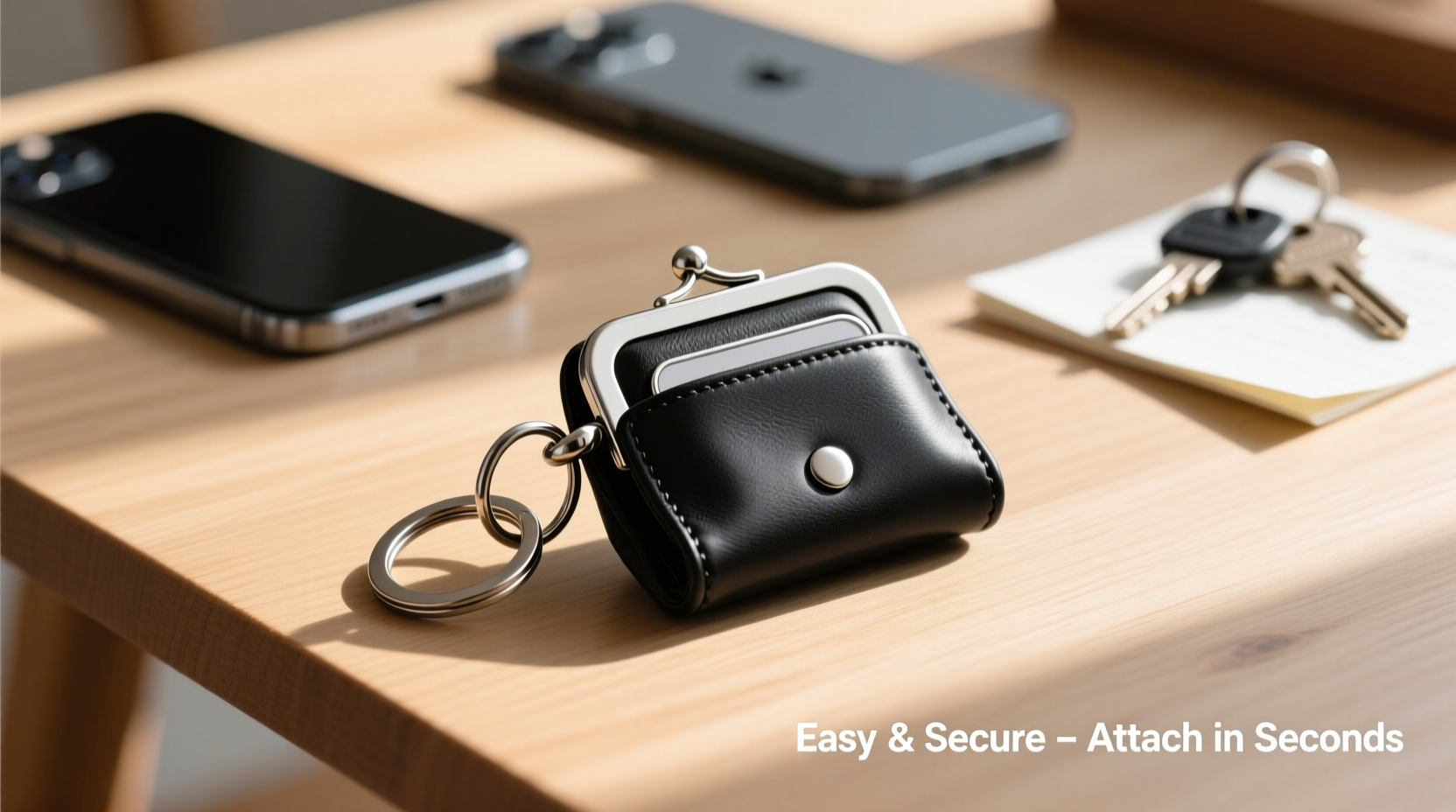
The logic behind this small organizational upgrade is rooted in behavioral efficiency. Most people already habitually check for their keys before leaving home. By piggybacking essential items like coins, transit cards, or folded bills onto that same routine, you reduce the chance of forgetting them.
Additionally, compact coin purses—especially those made from durable materials like silicone, leather, or reinforced nylon—are designed to withstand regular handling. When properly attached, they endure daily wear just as well as any key fob or bottle opener.
Choosing the Right Attachment Method
Not all connectors are created equal. The ideal method balances strength, ease of use, and low profile. Below are four reliable options, each suited to different needs and preferences.
- Split Ring with Mini Lobster Clasp: Ideal for frequent access. Attach the clasp to the purse’s loop and connect it to your keyring via the split ring. This allows quick detachment while maintaining security.
- Silicone O-Ring: Offers silent operation and scratch-free performance. Slide it over both the purse and keychain to hold them together without metal-on-metal contact.
- Keychain Ball Chain: Durable and flexible, ball chains resist twisting. Use a jump ring to link one end to the purse and clip the other to your main keyring.
- Carabiner Micro-Clip: Provides tool-like reliability. Opt for a titanium micro-carabiner with a locking mechanism for high-security environments.
| Method | Security Level | Bulk Added | Best For |
|---|---|---|---|
| Split Ring + Lobster Clasp | High | Low-Moderate | Daily commuters needing quick access |
| Silicone O-Ring | Moderate | Very Low | Minimalists avoiding noise and scratches |
| Ball Chain | High | Low | Outdoor users or cyclists |
| Micro Carabiner | Very High | Low | Travelers concerned about theft |
Step-by-Step Guide: Securely Attach Your Coin Purse in 5 Minutes
Follow this sequence to ensure your coin purse stays put through months of daily use.
- Inspect the purse’s attachment point. Confirm it has a sturdy loop, D-ring, or integrated clasp. If not, consider reinforcing it with a fabric patch or replacing it with a model built for active carry.
- Select your connector. Based on your lifestyle (e.g., urban walking vs. biking), choose one of the four methods listed above.
- Test fit before finalizing. Temporarily attach the purse and carry it for a day. Check for snagging, noise, or discomfort in your pocket.
- Secure permanently. If using a split ring or jump ring, open it with pliers by twisting sideways—not pulling apart—to preserve its integrity.
- Load and balance. Add typical contents (coins, ID, etc.) and assess weight distribution. Avoid overloading; keep total added weight under 1.5 ounces (43g).
Real-World Example: Urban Commuter Success Story
Jamal, a software developer in Chicago, used to lose quarters frequently when paying for parking meters or laundry. He’d often empty his pockets at night, misplacing coins along the way. After reading about minimalist carry systems, he bought a slim vegan leather coin pouch with a stainless steel D-ring.
He attached it using a 12mm split ring linked to a tiny lobster clasp, joining it to his existing key fob cluster. Within days, he no longer fumbled during transactions. Even better, because the purse was always with his keys, he began storing a backup transit card inside—a move that saved him twice when his phone battery died mid-commute.
“It sounds minor,” Jamal said, “but having two dollars and a spare pass ready changed how I move through the city. No stress, no delays.”
Expert Insight: Durability Meets Design
“Integration is the future of personal organization. When accessories serve multiple roles—like a coin purse doubling as a keychain extension—they reduce cognitive load and increase preparedness.” — Lena Torres, Industrial Designer & Carry Systems Consultant
Torres emphasizes that modern carry solutions should prioritize ergonomics and fail-safety. “A poorly secured item isn’t just inconvenient—it becomes a liability. Always test under real conditions: sit down with it, walk briskly, simulate dropping your keys.”
Common Mistakes to Avoid
- Using flimsy key rings. Standard thin steel rings can bend open under pressure. Upgrade to double-loop or welded rings.
- Overloading the purse. More than five coins or stacked cards increases thickness and strain on the attachment point.
- Ignoring material compatibility. Leather may degrade near constant metal contact; add a plastic spacer if needed.
- Forgetting retrieval speed. If accessing the purse requires removing your entire keychain, you’ll stop using it.
Quick Checklist: Before You Attach
- ✅ Is the coin purse lightweight and flat?
- Ensure it doesn’t exceed 3 inches in width or 0.2 pounds in weight.
- ✅ Does it have a strong attachment loop?
- Look for reinforced stitching or metal grommets.
- ✅ Have you chosen a secure connector?
- Lobster clasps and ball chains outperform simple split rings alone.
- ✅ Will it interfere with other key functions?
- Test whether it blocks key insertion or remote control signals.
- ✅ Can you access it quickly?
- You should be able to open the purse within three seconds while holding your keys.
Frequently Asked Questions
Can attaching a coin purse damage my other keys?
Only if the materials are abrasive or improperly aligned. To prevent scratches, opt for smooth finishes and rotate keys periodically. Silicone O-rings also act as buffers between components.
Is it safe to carry cash this way?
Yes, especially if you limit amounts to small, replaceable sums (e.g., $5–$10). Avoid storing sensitive documents like Social Security cards. Consider this a convenience layer—not a primary wallet replacement.
What if my purse doesn’t have a loop?
You can modify some models by sewing on a fabric tab with a grommet or using a heavy-duty keyring threaded through the zipper pull. However, purchasing a purpose-built version is safer and more durable.
Final Thoughts: Small Change, Big Impact
Integrating a mini coin purse into your keychain isn’t just about tidiness—it’s about designing your daily life for smoother interactions. Whether you're feeding a parking meter, grabbing a snack, or helping someone in need, having a few essentials instantly available reduces friction and builds confidence.
The best systems aren’t complicated. They’re thoughtful, tested, and quietly effective. With the right attachment strategy, your coin purse becomes an invisible ally—one that works every time you reach for your keys.




 浙公网安备
33010002000092号
浙公网安备
33010002000092号 浙B2-20120091-4
Comments
No comments yet. Why don't you start the discussion?