
Commercial air fresheners often contain synthetic fragrances, phthalates, and volatile organic compounds (VOCs) that can compromise indoor air quality. For a safer, more sustainable alternative, making your own air freshener at home is surprisingly simple. Using essential oils and containers you already have at home—like glass jars, mason jars, or repurposed bottles—you can craft natural, non-toxic scents that refresh your space without harming your health or the environment.
Beyond being cost-effective and eco-conscious, DIY air fresheners allow full control over ingredients and aroma profiles. Whether you prefer citrusy bursts, calming lavender, or earthy cedarwood, the options are endless. This guide walks through practical methods, safety considerations, material selection, and creative variations to help you turn everyday waste into aromatic assets.
Why Make Your Own Air Freshener?
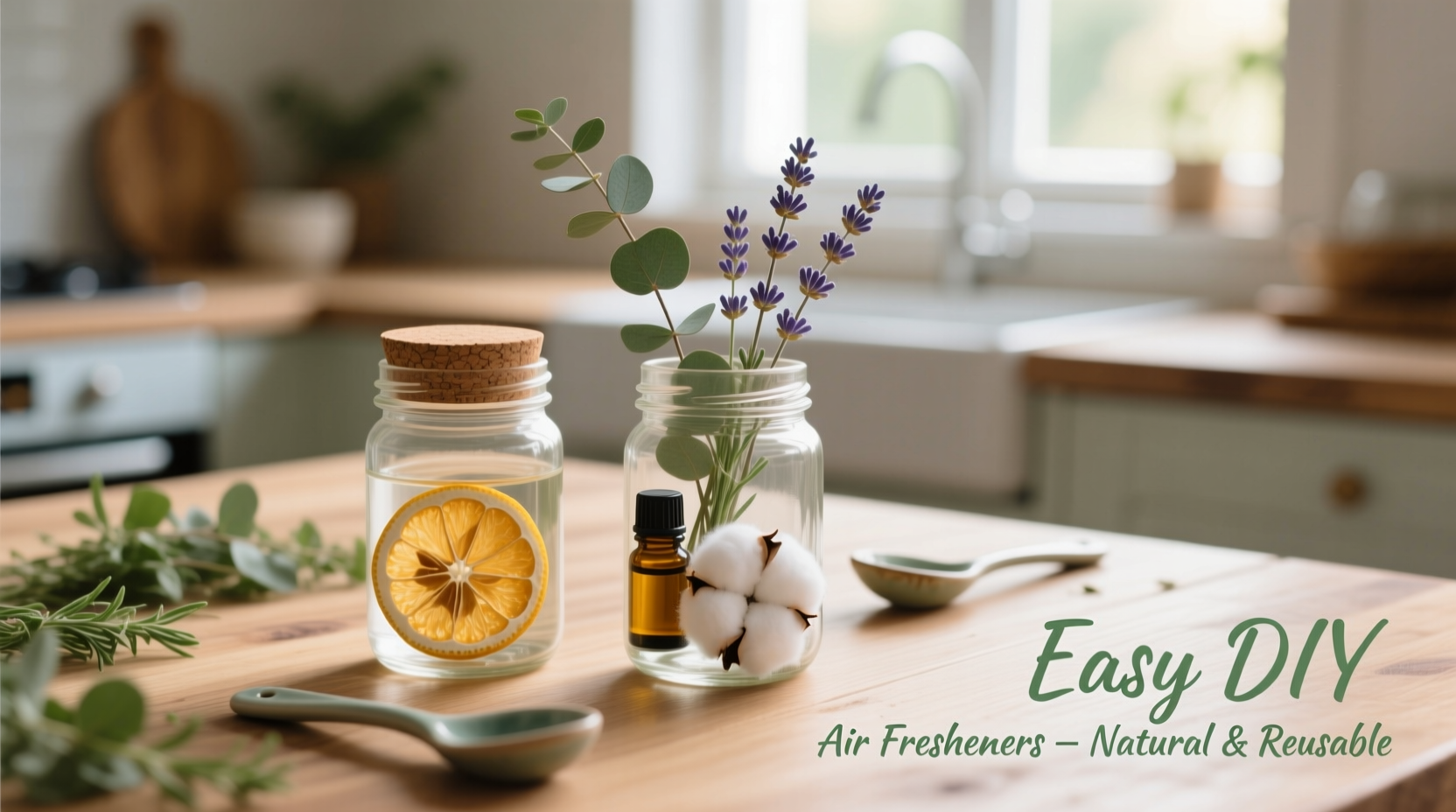
Store-bought sprays and plug-ins may offer convenience, but they come with hidden costs. The U.S. Environmental Protection Agency has found that many commercial air fresheners emit formaldehyde and other respiratory irritants. In contrast, natural essential oils not only smell good but also possess antimicrobial, mood-enhancing, and stress-reducing properties when used properly.
Creating your own air fresheners supports a zero-waste lifestyle. Instead of buying new plastic containers every few weeks, you can reuse jars from pasta sauce, yogurt tubs (if heat-safe), or old candle holders. It’s an excellent way to reduce household waste while adding a personal touch to your living spaces.
“Switching to natural fragrance solutions like essential oil-based fresheners can significantly improve indoor air quality and reduce chemical exposure.” — Dr. Lena Patel, Environmental Health Researcher at Green Living Institute
Essential Oils: Choosing the Right Scents
Not all essential oils are created equal. Quality matters—not just for scent strength but for safety and therapeutic benefit. Always opt for 100% pure, undiluted essential oils from reputable brands. Avoid “fragrance oils,” which are typically synthetic and lack the natural benefits of true essential oils.
Different oils serve different purposes:
- Lavender: Calming and ideal for bedrooms or relaxation areas.
- Peppermint: Invigorating; great for home offices or kitchens.
- Lemon or Orange: Bright and uplifting; helps neutralize cooking odors.
- Tea Tree: Naturally antibacterial; useful in bathrooms or laundry rooms.
- Eucalyptus: Clears sinuses; perfect during cold season.
- Cedarwood or Sandalwood: Warm and grounding; works well in living rooms or entryways.
Step-by-Step Guide: 5 Simple DIY Air Freshener Methods
Below are five effective, low-effort ways to make air fresheners using common recyclable materials. Each method uses minimal supplies and takes under 10 minutes to assemble.
1. Jar-Based Reed Diffuser (Using Glass Jars)
Repurpose small glass jars—like baby food or spice jars—into stylish reed diffusers.
- Clean and dry a glass jar thoroughly.
- Add 1/4 cup carrier oil (sweet almond, safflower, or fractionated coconut oil).
- Mix in 20–30 drops of your chosen essential oils.
- Insert 3–5 bamboo skewers or rattan reeds into the liquid.
- Flip the reeds every few days to refresh the scent.
Place on shelves, countertops, or near vents. Lasts 4–6 weeks depending on airflow.
2. Baking Soda Deodorizer (Yogurt Cups or Butter Tubs)
Plastic containers that are heat-stable and opaque work best here. Yogurt cups are ideal.
- Wash and dry a reusable plastic container.
- Poke 10–15 small holes in the lid using a fork or nail.
- Fill halfway with baking soda (known for odor absorption).
- Add 10–15 drops of essential oil and stir gently.
- Screw on the lid and place in closets, shoes, or under sinks.
Replace every 4–6 weeks or when scent fades.
3. Spray Mist (Glass Spray Bottles)
If you have an old glass spray bottle (from cleaning products or plants), it’s perfect for a quick room spray.
- Rinse the bottle thoroughly with hot water and vinegar.
- Add 1/2 cup distilled water (to prevent mold).
- Mix in 1 tablespoon witch hazel or vodka (acts as an emulsifier and preservative).
- Add 20–25 drops of essential oils.
- Shake before each use and mist into the air (avoid fabrics if oils aren’t diluted enough).
This creates a light, refreshing burst of fragrance without residue.
4. Simmer Pot Alternative (Mason Jars)
For those who love the scent of simmer pots but want a flame-free option, try this passive version.
- Use a wide-mouth mason jar.
- Fill with 1 cup of water.
- Add citrus peels (leftover from juicing), cinnamon sticks, cloves, and 10 drops of essential oil.
- Place near a sunny window or heating vent to slowly release aroma.
- Refresh water and ingredients weekly.
This method combines visual appeal with natural scent diffusion.
5. Felt or Cork Absorber (Small Containers with Lids)
Great for drawers, gym bags, or car interiors.
- Cut a piece of felt or wine cork to fit inside a small tin or plastic container with a lid.
- Soak the material in 10–15 drops of essential oil.
- Let it absorb for 1 hour before placing in the container.
- Poke holes in the lid for scent release.
- Replace or re-oil every 2–3 weeks.
Compact and discreet, this version travels well and doesn’t spill.
Do’s and Don’ts of DIY Air Fresheners
| Do’s | Don’ts |
|---|---|
| Use dark glass when storing oils long-term (protects from UV degradation) | Use plastic containers with strong essential oils like citrus or oregano (they can degrade plastic) |
| Dilute essential oils properly—never apply undiluted to surfaces or skin | Mix oils haphazardly without testing compatibility |
| Label all containers clearly with contents and date | Place near direct sunlight or heat sources where oils could evaporate too quickly |
| Keep out of reach of children and pets | Use tea tree or eucalyptus oils around cats or dogs (many essential oils are toxic to pets) |
| Test sprays on inconspicuous areas first | Over-saturate materials—too much oil can cause staining or overpowering scent |
Real-Life Example: Reviving a Musty Closet
Sarah, a teacher from Portland, noticed a persistent musty smell in her linen closet after winter. She didn’t want to use chemical sprays near her towels and sheets. Instead, she repurposed an empty olive jar, added 1/4 cup of baking soda, 8 drops of tea tree oil (for its antifungal properties), and 7 drops of lemon oil (for freshness). After poking holes in the lid and placing it on the shelf, the odor faded within two days. Two weeks later, she flipped the jar upside down briefly to refresh the scent and shared the idea with her coworkers.
“It’s amazing how something so simple can make such a difference,” she said. “Plus, I didn’t have to buy anything new.”
Checklist: How to Get Started Today
Follow this actionable checklist to create your first DIY air freshener:
- ✅ Gather clean, recyclable containers (glass jars, plastic tubs, spray bottles)
- ✅ Choose 1–2 high-quality essential oils based on desired effect
- ✅ Select a method (diffuser, spray, absorber, etc.) that fits your space
- ✅ Prepare materials: carrier oil, baking soda, reeds, or felt pads
- ✅ Assemble your freshener following safety guidelines
- ✅ Label the container with ingredients and date
- ✅ Place in target area and monitor scent strength over time
- ✅ Refresh or replace as needed (typically every 2–6 weeks)
Frequently Asked Questions
Are essential oil air fresheners safe for pets?
No, not all are safe. Many essential oils—including tea tree, eucalyptus, citrus, and peppermint—are toxic to cats and dogs when inhaled or ingested. If you have pets, avoid using diffusers in enclosed spaces they frequent. Consult your vet before using any essential oils around animals.
How long do homemade air fresheners last?
Duration varies by method: reed diffusers last 4–6 weeks, baking soda jars 4–8 weeks, sprays 2–3 months (if stored in cool, dark places), and felt/cork absorbers 2–3 weeks. Heat, sunlight, and airflow accelerate evaporation.
Can I use tap water in sprays?
It’s not recommended. Tap water contains minerals and microbes that can promote mold growth. Always use distilled or boiled-and-cooled water in spray formulations to extend shelf life and maintain clarity.
Tips for Maximizing Scent Longevity
To get the most out of your DIY creations, consider placement and maintenance:
- Position diffusers near natural airflow—such as doorways or return vents—but away from direct sunlight.
- Flip reeds or stir baking soda mixtures weekly to reactivate scent release.
- Store unused batches in a cool, dark cabinet to preserve oil potency.
- Combine essential oils with fixatives like vanilla extract (1–2 drops) or dried herbs (rosemary, lavender buds) to slow evaporation.
- Avoid overcrowding rooms with multiple strong scents—this can lead to olfactory fatigue.
Conclusion: Transform Waste Into Wellness
Making your own air fresheners isn’t just about smelling good—it’s about taking mindful control of your environment. With a few drops of essential oil and a jar you’d otherwise recycle, you can eliminate stale odors, uplift your mood, and reduce reliance on disposable consumer products. These small acts add up to meaningful changes: less plastic waste, cleaner indoor air, and a deeper connection to the spaces you live in.




 浙公网安备
33010002000092号
浙公网安备
33010002000092号 浙B2-20120091-4
Comments
No comments yet. Why don't you start the discussion?